10 Effective Home Remedies for Chest Pain Due to Cough
Home remedies for chest pain due to cough are natural and effective ways to relieve respiratory discomfort. This article explores various remedies you can easily apply at home to alleviate chest pain caused by cough, gas, and related symptoms, promoting healthier living.
Introduction
Chest and respiratory discomfort, especially when linked to coughing, can be uncomfortable and disruptive. Luckily, many home remedies for chest pain due to cough are effective, natural, and easy to prepare. Understanding these remedies helps you relieve discomfort quickly and safely at home.
Overview of Home Remedies for Chest Pain Due to Cough
Chest pain associated with coughing can arise from conditions like bronchitis, common colds, or respiratory infections. Home remedies often involve simple ingredients you likely already have. Common treatments include herbal teas, honey, steam inhalation, and using anti-inflammatory spices. These natural methods help soothe irritation, reduce inflammation, and ease coughing episodes, providing relief without side effects associated with medications.
Recognizing Respiratory and Chest Discomfort Symptoms
Recognizing symptoms early is crucial for effective treatment. Respiratory discomfort often presents as persistent coughing, difficulty breathing, wheezing, chest tightness, and pain when coughing or inhaling deeply. Knowing these signs helps differentiate mild discomfort, manageable at home, from more severe symptoms requiring professional attention. Awareness ensures timely intervention and faster relief.
Common Causes of Respiratory & Chest Discomfort
Understanding the common causes of respiratory and chest discomfort helps in choosing the appropriate remedy and knowing when professional help is necessary.
Understanding Chest Pain from Cough and Gas
Chest pain caused by coughing usually results from respiratory tract irritation due to viral infections, bronchitis, or allergies. On the other hand, gas-related chest pain often feels sharp or stabbing, worsens when lying down or after meals, and is associated with bloating. Recognizing the differences between these two types of pain can help you effectively select appropriate home remedies.
When Symptoms Are Benign vs. When to Seek Medical Attention
While mild chest pain due to cough often resolves with rest and natural remedies, it's crucial to identify severe symptoms that need medical attention. Seek immediate care if pain is intense, radiates to other body parts, is accompanied by shortness of breath, dizziness, high fever, or lasts more than a few days. Being vigilant helps prevent complications and ensures your health and safety.
Home Remedies for Chest Pain
Several effective natural treatments can significantly alleviate chest pain, whether caused by coughing or gas.
Natural Remedies for Chest Pain
Natural remedies for chest pain include drinking ginger or chamomile tea, known for their anti-inflammatory and soothing properties. Honey mixed with warm water or tea can ease coughing and throat irritation. Steam inhalation with eucalyptus oil clears congestion, reduces inflammation, and improves breathing. These methods are gentle yet powerful enough to alleviate symptoms without adverse reactions.
Home Remedies for Chest Pain Due to Gas
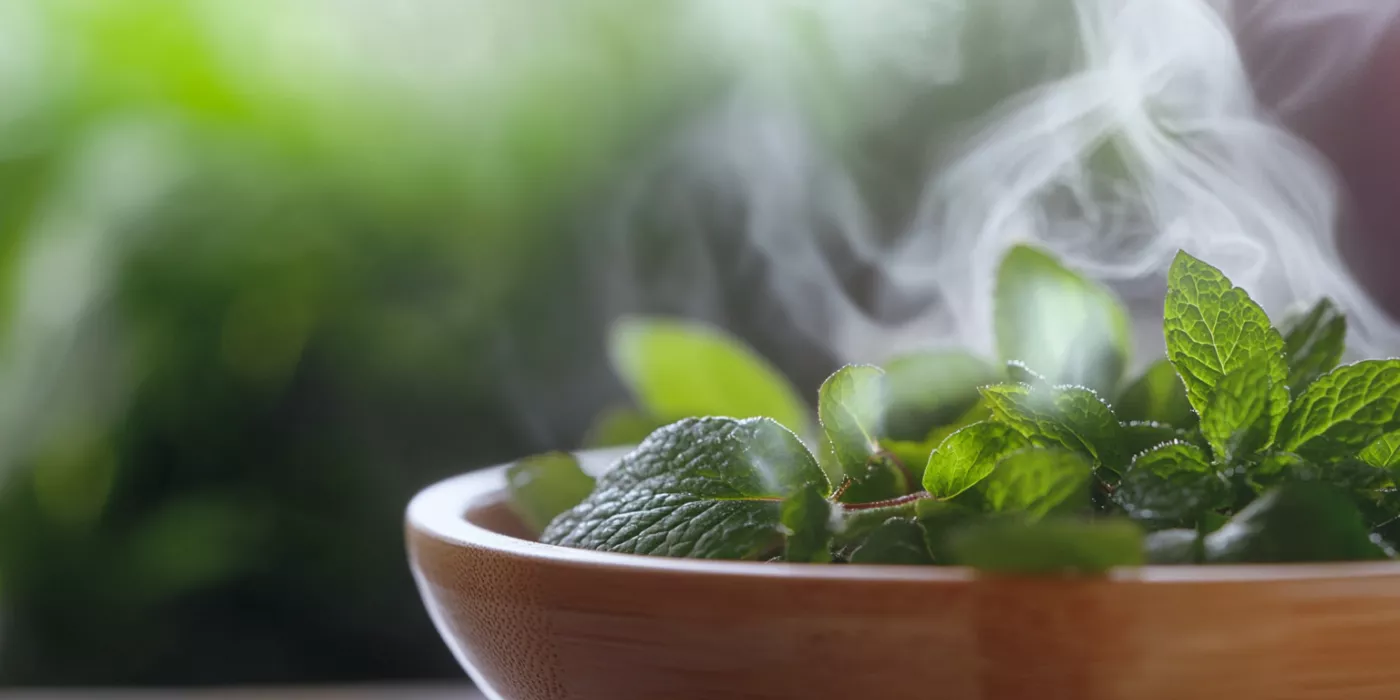
Gas-related chest pain can be managed effectively at home. Peppermint tea, known for relieving digestive discomfort, can significantly reduce gas buildup. Gentle abdominal massages help move trapped gas, relieving pressure. Activated charcoal supplements and avoiding gas-inducing foods, such as beans and carbonated drinks, also prevent chest discomfort related to gas.
Additional Home Remedies for Respiratory Discomfort
Beyond chest pain remedies, several other effective treatments target specific respiratory discomforts, including cough, congestion, and sore throat.
Home Remedies for Cough in Pregnancy
Home remedies for cough in pregnancy prioritize safety and efficacy. Warm honey-lemon tea provides gentle throat relief and suppresses coughing naturally. Gargling with warm salt water reduces throat irritation without risk to mother or child. Using humidifiers to moisten air helps ease dry coughs, making breathing comfortable during pregnancy.
Home Remedies for Chest Congestion in COVID
Chest congestion due to COVID can be alleviated with steam inhalation using eucalyptus or peppermint oil, thinning mucus, and easing breathing. Staying hydrated helps clear congestion and supports recovery. Breathing exercises, such as deep diaphragmatic breathing, improve lung function and reduce discomfort. Always monitor symptoms carefully, seeking medical care if conditions worsen.
Home Remedy for Sore Throat Salt Water
Gargling with salt water is a simple, proven remedy for sore throats. The saline solution reduces swelling, relieves pain, and clears excess mucus from the throat, providing immediate comfort. For best results, dissolve half a teaspoon of salt in warm water and gargle several times a day to reduce inflammation and ease throat irritation.
Tips for Effective Home Treatment
Maximizing the effectiveness of home remedies involves understanding precautions and strategically combining treatments for enhanced relief.
Precautions and Best Practices When Using Home Remedies
Always ensure ingredients used in home remedies are fresh and clean. Pay attention to dosage, especially for herbs and spices, to avoid potential side effects. Test for allergies by using small amounts initially. Pregnant women or individuals with chronic conditions should consult healthcare providers before starting any new remedy to ensure safety.
Combining Remedies for Maximum Relief
Combining various home remedies enhances their effectiveness. For example, pairing steam inhalation with warm herbal teas and regular saltwater gargles can rapidly improve respiratory symptoms. Integrating dietary adjustments, like increased hydration and avoiding irritants, complements these treatments, accelerating recovery and restoring comfort effectively.
Conclusion
Home remedies provide effective and accessible solutions for managing respiratory and chest discomfort. Knowing which treatments suit specific symptoms ensures quick relief and better health management.
Recap of Remedies and Key Considerations
Key home remedies include herbal teas, honey, steam inhalation, peppermint tea for gas-related pain, saltwater gargles, and breathing exercises. Practicing precautions, understanding symptoms clearly, and appropriately combining these methods ensures optimal outcomes.
When to Seek Professional Medical Advice
While home remedies are effective for mild to moderate symptoms, professional medical advice is essential if chest pain persists, intensifies, or is accompanied by severe symptoms such as breathlessness or high fever. Timely medical attention prevents complications, ensuring your well-being remains prioritized.
FAQs
The fastest remedies include warm herbal teas with honey, steam inhalation with eucalyptus oil, and using a heating pad on the chest. These provide immediate relief by soothing irritated airways and reducing inflammation.
Yes, many home remedies, such as warm lemon water, honey, ginger tea, and saline gargles, are generally safe during pregnancy. However, always consult your doctor before trying any remedy to ensure it's suitable for your condition.
Chest pain from gas often feels sharp or stabbing and typically improves after burping or passing gas. Chest pain due to cough is usually more constant, worsens with coughing, and can feel like tightness or soreness in the chest muscles.
Yes, home remedies such as steam inhalation, staying hydrated, drinking warm fluids, and using a humidifier can help relieve chest congestion associated with COVID-19. However, always monitor symptoms and consult medical professionals if they worsen.
Quick home remedies for chest pain due to gas include drinking warm peppermint tea, ginger tea, or fennel tea. Gentle exercises or light walking can also help move trapped gas, providing quick relief.
Generally, home remedies are safe, but it's crucial to ensure you’re not allergic to any ingredients used. If chest pain persists or worsens despite using remedies, you should promptly seek medical advice.