The Benefits of Antibacterial, Carbolic, and Black Soap
Discover the unique benefits of antibacterial, carbolic, and black soap. Learn how these soaps improve skin health, hygiene, and cater to various skin types.
Introduction
Soap is an essential part of our daily hygiene routine, but with so many different types available, it can be challenging to know which is best for your needs. Among the most popular options are antibacterial soap, carbolic soap, and black soap. Each has unique properties that cater to different skin types and hygiene needs. In this article, we will explore the benefits of these three types of soap, including their composition, uses, and the situations where they are most effective.
Overview of Different Types of Soap and Their Uses
Soaps serve various purposes, from basic cleansing to addressing specific skin conditions. Antibacterial soaps are designed to kill bacteria and reduce the risk of infection, while carbolic soap is a traditional disinfectant known for its strong germicidal properties. Black soap, on the other hand, is a natural, plant-based alternative that offers deep cleansing and exfoliation, especially beneficial for sensitive skin. Understanding the differences between these soaps can help you make informed decisions about your skincare and hygiene routine.
Focus on Antibacterial Soap Benefits, Carbolic Soap, and Black Soap
Each type of soap has distinct benefits. Antibacterial soap is known for its ability to prevent the spread of germs, making it ideal for environments where hygiene is crucial. Carbolic soap, with its antiseptic properties, has a long history in both medical and personal care settings. Black soap, revered for its natural ingredients, is often used to treat acne and other skin conditions. We’ll delve deeper into these benefits in the following sections.
Antibacterial Soap Benefits
Antibacterial soap is specifically formulated to kill bacteria on the skin, making it a popular choice for both home and professional use. It offers protection against various harmful bacteria, but it’s important to understand its benefits, proper use, and limitations.
What Makes Antibacterial Soap Effective
Antibacterial soap contains active ingredients, like triclosan or triclocarban, that are designed to kill bacteria on contact. These ingredients penetrate the bacterial cell wall, ultimately killing or disabling the bacteria. The soap is effective in reducing bacteria on the skin's surface, which is why it is commonly used in healthcare settings or situations where infection risk is high.
Antibacterial Soap Benefits for Skin Health and Hygiene
One of the primary benefits of antibacterial soap is its ability to lower the chances of infection by reducing the number of bacteria on the skin. This is particularly useful for individuals with compromised immune systems, those working in environments with high exposure to bacteria, or when caring for open wounds. Additionally, regular use of antibacterial soap can help minimize body odor caused by bacterial growth.
When to Use Antibacterial Soap and Its Limitations
Antibacterial soap should be used in situations where there's a higher risk of bacterial transmission, such as in hospitals, clinics, or after handling raw meat. However, it's important to note that antibacterial soap is not always necessary for everyday use. Overuse can lead to skin dryness and, in some cases, contribute to the development of antibiotic-resistant bacteria. It's best to reserve antibacterial soap for specific circumstances rather than using it as a daily soap.
Carbolic Soap Benefits
Carbolic soap is a classic, widely recognized for its powerful antiseptic qualities. Used for more than a century, this soap has played a significant role in disinfecting and maintaining hygiene, especially in medical settings. Let’s explore its composition, history, and key benefits.
The History and Composition of Carbolic Soap
Carbolic soap dates back to the 19th century and was one of the first soaps to be used for its disinfecting properties. It gets its name from carbolic acid (phenol), which is its main active ingredient. This acid is derived from coal tar and gives the soap its distinctive red or brown color and strong smell. Historically, it was used in hospitals and homes to prevent the spread of infection and disease.
Key Carbolic Soap Benefits for Skin and Disinfection
Carbolic soap is highly effective at killing bacteria and fungi, making it a great option for disinfecting the skin. It's also used to treat minor skin infections and conditions like eczema or psoriasis. Its deep-cleaning properties can remove dirt and oil from the skin, while its germicidal action makes it ideal for environments that require strict hygiene control. However, due to its strong formula, it may not be suitable for sensitive skin.
Common Uses of Carbolic Soap in Personal Care and Medical Settings
Carbolic soap is commonly used in hospitals, particularly in surgical settings, to reduce the risk of infection. It’s also found in many households as a disinfectant soap for washing hands and cleaning minor cuts or wounds. Its powerful germicidal properties make it a versatile option for personal care, though it should be used with caution on delicate skin or for people with skin allergies.
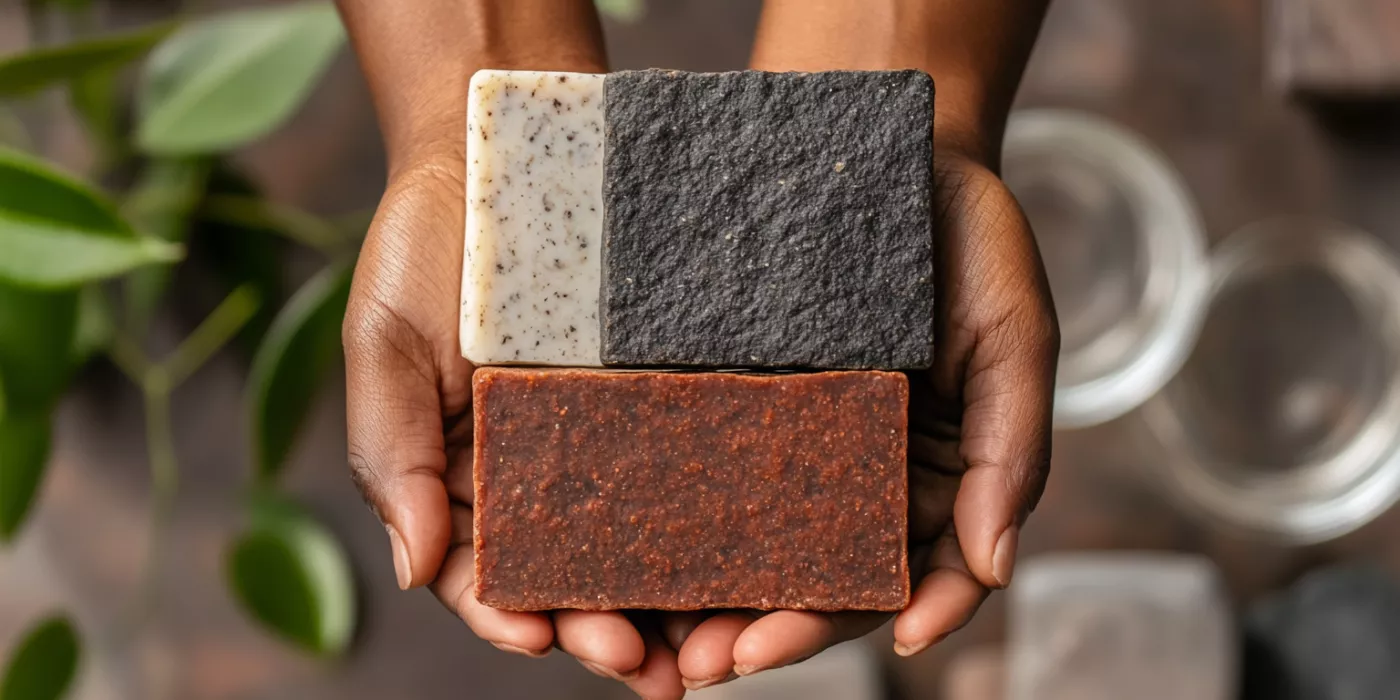
Advantages of Black Soap
Black soap, also known as African black soap, is an all-natural, plant-based product with a long history of use in African skincare routines. It is highly regarded for its skin-friendly properties and ability to treat various skin issues. Let’s examine how black soap is made and its key advantages.
What is Black Soap and How It’s Made
Black soap is traditionally made from locally harvested plants, such as plantain skins, cocoa pods, and palm leaves. These ingredients are sun-dried, roasted, and mixed with water and oils like coconut or palm oil to create a rich, nutrient-dense soap. The roasting process gives the soap its distinctive dark color. Unlike commercial soaps, black soap is free from synthetic chemicals, making it an ideal choice for natural skincare enthusiasts.
The Advantages of Black Soap for Skin Conditions and Acne
Black soap is known for its ability to deeply cleanse the skin without stripping it of its natural oils. It is particularly effective for treating acne, eczema, and hyperpigmentation due to its anti-inflammatory properties. The natural oils and vitamins in the soap, including vitamins A and E, help to soothe irritation, reduce breakouts, and promote even skin tone. Additionally, its exfoliating properties help to remove dead skin cells, leaving the skin smooth and refreshed.
Traditional African Black Soap vs. Commercial Versions
While traditional African black soap is made using ancient techniques and natural ingredients, some commercial versions may include additives or chemicals that compromise its purity. Authentic black soap is usually handcrafted and can vary in appearance and texture, while commercial varieties tend to have a smoother, more uniform look. When purchasing black soap, it's essential to choose high-quality, authentic products to experience the full benefits.
Comparing Antibacterial, Carbolic, and Black Soap
Now that we’ve explored the individual benefits of antibacterial, carbolic, and black soap, let’s compare them based on their ingredients, uses, and suitability for different skin types and hygiene needs.
Differences in Ingredients and Use Cases
Antibacterial soap typically contains chemical agents like triclosan, which target bacteria, while carbolic soap is formulated with phenol for strong disinfecting action. Black soap, in contrast, relies on natural plant-based ingredients like plantain ash and coconut oil. Antibacterial and carbolic soaps are best suited for situations where preventing bacterial contamination is critical, whereas black soap is ideal for individuals seeking natural, gentle skincare solutions.
Which Soap is Best for Different Skin Types and Needs
For normal to oily skin or when there's a need to prevent infection, antibacterial soap can be a good option. Carbolic soap is recommended for those needing strong antiseptic properties, though it may not be ideal for dry or sensitive skin. Black soap, being natural and gentle, is perfect for people with sensitive or acne-prone skin, offering a balance of cleansing and moisturizing.
Safety Considerations for Regular Use of Each Type of Soap
Each soap has specific safety considerations. Overuse of antibacterial soap can lead to dry skin and possible antibiotic resistance. Carbolic soap is effective but can be harsh if used too frequently, particularly on sensitive skin. Black soap, though generally safe, can be drying if not followed by a moisturizer. It’s essential to choose the right soap based on your skin type and intended use.
Conclusion
In summary, antibacterial, carbolic, and black soaps each offer unique benefits that cater to specific skin types and hygiene needs. Antibacterial soap is great for killing germs, carbolic soap excels in disinfection, and black soap is a natural solution for gentle, effective cleansing. By understanding the differences, you can choose the best soap for your personal skincare or hygiene routine.
FAQs
Antibacterial soap is designed to kill bacteria and is ideal for environments where bacterial transmission is a concern, such as hospitals. However, for everyday use, regular soap is generally sufficient to clean the skin and remove germs without the risk of overusing antibacterial agents.
While carbolic soap is effective at disinfecting, it may be too harsh for sensitive skin due to its strong antiseptic ingredients. It's recommended to test it on a small area first or use it only when necessary for cleaning wounds or in environments requiring extra hygiene precautions.
Black soap is gentle enough for daily use, especially for individuals with oily or acne-prone skin. However, because it can be drying, it’s best to follow up with a good moisturizer to keep your skin hydrated.