DIY Soap Recipes: Hand Soap, Dish Soap, and More
DIY hand soap offers a natural alternative to store-bought versions. Learn how to make your own with our easy soap recipes for hands, dishes, and more.
Introduction
Soap is a household essential, but did you know you can make your own at home using natural ingredients? DIY soap recipes allow you to control what goes into your soap, avoiding harsh chemicals often found in store-bought versions. In this guide, we'll explore the benefits of creating your own soap and provide a variety of recipes for different uses—from hand soap to dish soap and beyond.
The Benefits of Making Your Own Soap
By making your own soap, you completely control the ingredients. This allows you to avoid artificial fragrances, preservatives, and chemicals that can be harsh on sensitive skin. Homemade soap is also more environmentally friendly, as it reduces plastic packaging waste. Plus, it's often more cost-effective than buying specialty soaps.
Overview of Different DIY Soap Recipes for Various Uses
There are numerous DIY soap recipes tailored for different purposes. From moisturizing hand soap to grease-fighting dish soap, you can customize your creations with scents, textures, and ingredients that suit your needs. Below, you'll find easy-to-follow recipes for hand soap, liquid soap, dish soap, foaming hand soap, and even dishwasher soap.
DIY Hand Soap
Homemade hand soap is a great alternative to store-bought versions, offering a natural and customizable option for your handwashing routine. Let’s explore why you might choose to make your own hand soap and how you can create a simple, effective recipe at home.
Why Choose Homemade Hand Soap Over Store-Bought
Store-bought hand soap often contains synthetic fragrances and chemicals that can dry out your skin or trigger allergies. Homemade hand soap, on the other hand, allows you to select nourishing, natural ingredients that are gentle on your skin. Additionally, you can adjust the formula to meet specific needs, such as adding moisturizers or essential oils for a pleasant aroma.
Recipe for DIY Hand Soap Using Natural Ingredients
To make your own hand soap, you'll need the following ingredients:
- 1/2 cup of liquid Castile soap
- 1/2 cup of distilled water
- 1 tablespoon of vegetable glycerin (optional, for extra hydration)
- 10-15 drops of your favorite essential oil (e.g., lavender, tea tree)
Combine all ingredients in a soap dispenser and shake gently before each use. This simple recipe provides a gentle, effective hand soap that can be easily customized with scents and moisturizing agents.
Customizing Scents and Textures with Essential Oils and Additives
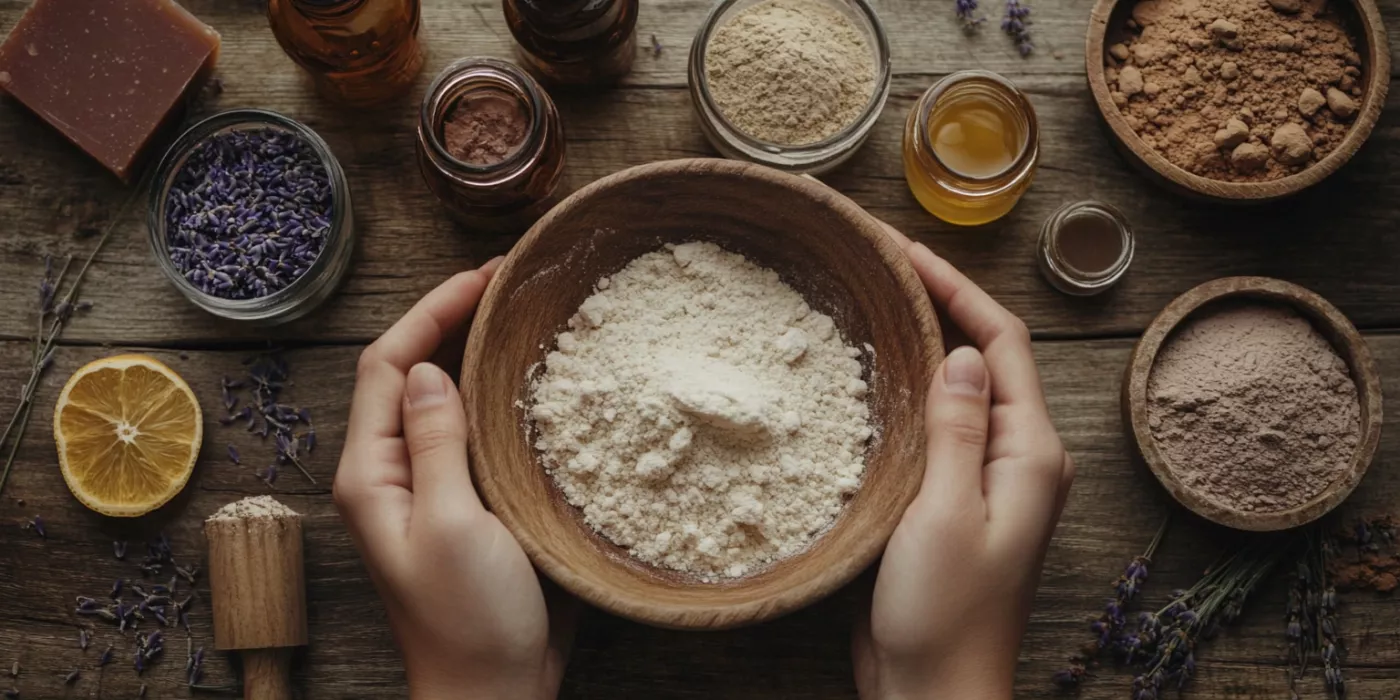
One of the best parts about making your own soap is the ability to customize the scent and texture. Essential oils such as eucalyptus or lavender can create a calming fragrance, while additives like aloe vera or shea butter can provide extra moisturizing benefits. For exfoliation, you can also add ground oatmeal or fine sea salt. Experiment with different combinations to create a soap that suits your preferences.
Making Liquid Soap
Liquid soap is a convenient, multipurpose cleaning product. Whether you're using it for handwashing or household cleaning, learning how to make liquid soap at home can save you money while offering a safer, eco-friendly alternative to commercial brands.
Step-by-Step Guide to Making Liquid Soap at Home
To make liquid soap at home, start by grating a bar of Castile soap or another natural soap base. Combine 1 cup of soap flakes with 10 cups of water in a pot and heat until the soap dissolves. Let it cool and pour it into a pump bottle for use. If needed, adjust the consistency by adding more water.
Key Ingredients for a Smooth and Effective Liquid Soap
The primary ingredient in liquid soap is a soap base, such as Castile soap or a natural glycerin-based soap. Water is added to achieve the desired consistency, and ingredients like vegetable glycerin can help maintain moisture. For scent, essential oils are a great addition, while oils like coconut or almond can provide extra hydration and a silky feel.
Tips for Adjusting Consistency and Adding Moisturizers
If your liquid soap turns out too thick or too thin, don’t worry! You can easily adjust the consistency by adding more water (for a thinner soap) or re-melting the soap with additional soap flakes (for a thicker version). To make your liquid soap more hydrating, consider adding ingredients like aloe vera gel, honey, or jojoba oil.
Make Your Own Dish Soap
Store-bought dish soaps can contain harmful chemicals that are tough on your skin and the environment. By making your own dish soap, you can create an effective cleaning solution that's safe, non-toxic, and better for the planet.
How to Make Your Own Dish Soap: Simple and Effective Recipes
Making your own dish soap is simple and requires just a few key ingredients. You’ll need:
- 1 cup of liquid Castile soap
- 1 tablespoon of baking soda
- 1 tablespoon of white vinegar
- 10 drops of lemon or tea tree essential oil for grease-cutting power
Mix these ingredients in a bottle and use them as you would any dish soap. This recipe is effective at cutting through grease while being gentle on your skin.
DIY Dish Soap Recipe: Using Castile Soap, Baking Soda, and Essential Oils
Castile soap serves as the base for most DIY dish soap recipes. It's plant-based, gentle, and highly effective at breaking down grease. Baking soda enhances the soap's cleaning power, while essential oils like lemon or eucalyptus add a refreshing scent and help dissolve tough food residue.
Adding Ingredients for Tough Grease and Residue Removal
If you need extra grease-fighting power, try adding a few drops of citrus essential oil, or a teaspoon of salt to your dish soap recipe. Both ingredients are natural degreasers and will help remove stuck-on food and tough grease more effectively.
Foaming Hand Soap Recipes
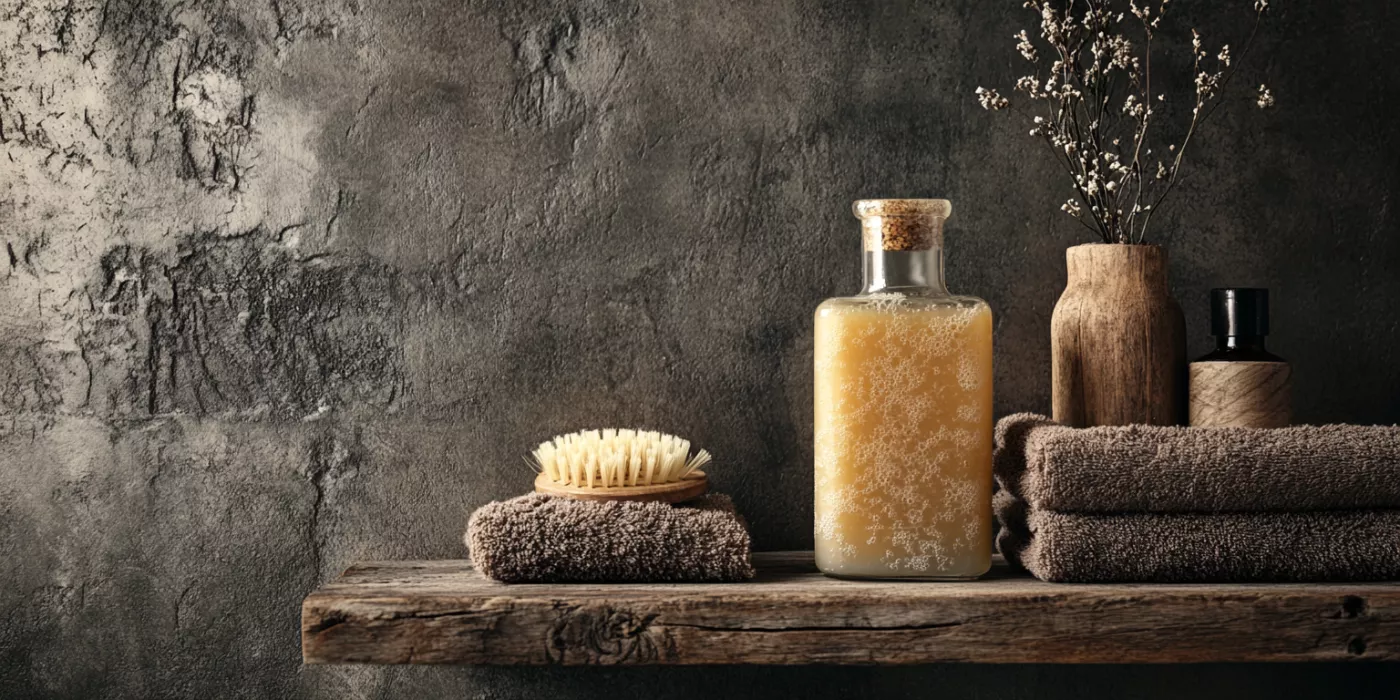
Foaming hand soap is not only fun to use but also economical since it uses less soap per pump. Here's how you can easily make foaming hand soap at home using simple ingredients.
How to Make Foaming Hand Soap Using Easy-to-Find Ingredients
To make foaming hand soap, you'll need a foaming soap dispenser, which helps to aerate the soap into foam. Combine 1/4 cup of liquid Castile soap with 3/4 cup of distilled water in the dispenser. Add a few drops of essential oils for fragrance, then shake gently. Pump the dispenser to release the foam.
Homemade Foaming Hand Soap: Recipe and Customization Tips
Customizing your foaming hand soap is easy. Try adding a teaspoon of coconut oil for extra hydration or switching up the essential oils depending on the season. Peppermint and eucalyptus make a great winter blend, while citrus oils are perfect for summer.
Benefits of Using Homemade Castile Hand Soap as a Base
Castile soap is a popular choice for DIY soap makers because it’s biodegradable, non-toxic, and gentle on the skin. It's derived from plant oils, making it safe for sensitive skin and suitable for a variety of soap recipes, including foaming hand soap.
FAQs
Yes, DIY hand soap can be effective at cleaning and removing germs when made with proper ingredients. Castile soap, often used in DIY recipes, is a natural soap that helps to wash away dirt and germs. Adding essential oils like tea tree or eucalyptus, known for their antimicrobial properties, can enhance the germ-fighting capabilities of your homemade soap.
No, homemade dish soap is typically too sudsy for use in a dishwasher. Instead, it's better to use a specific DIY dishwasher soap recipe, which is designed to avoid excessive suds and clean dishes without leaving residue.
Homemade liquid soaps generally last 6-12 months when stored properly in a cool, dry place. To extend the shelf life, use distilled water and store the soap in an airtight container. If your soap starts to smell off or changes in texture, it's time to make a new batch.
Yes, essential oils can be added to most DIY soap recipes to enhance scent and offer additional benefits like antibacterial or calming properties. However, be sure to research the right amount to use, as essential oils are highly concentrated and can irritate the skin if used in excess.