Ginger and Lemongrass: A Flavorful & Healthy Guide
Ginger and lemongrass have long been cherished in various cuisines for their fragrant aromas and impressive health benefits. Together, they deliver a zesty and citrusy flavor that adds a distinctive spark to soups, teas, stir-fries, and even desserts.
Ginger and Lemongrass Overview
Ginger and lemongrass have long been cherished in various cuisines for their fragrant aromas and impressive health benefits. Together, they deliver a zesty and citrusy flavor that adds a distinctive spark to soups, teas, stir-fries, and even desserts. Whether you are sautéing vegetables or simmering a hearty broth, ginger and lemongrass can transform your meal into something truly memorable. At the same time, ginger spice alone has become a global favorite, used extensively in sweet and savory recipes alike. Many home cooks enjoy incorporating these ingredients as they lend a refreshing, exotic twist to everyday dishes.
Beyond their culinary appeal, ginger and lemongrass also offer notable health benefits. Lemongrass is known for its calming properties and light, lemony fragrance. Meanwhile, ginger is prized for its soothing effects on digestion, potential to support blood pressure goals, and its role in easing nausea—even during pregnancy. This versatility makes ginger and lemongrass a valued pair in many home kitchens, where flavor, aroma, and wellness intersect. As you explore how to make the most of these two ingredients, you will discover fun ways to create fusion dishes, healthy snacks, and comforting beverages.
In this guide, we will delve into practical cooking methods, touch upon helpful conversions—like how to switch from fresh ginger to ground—and discuss flavor pairings you may not have tried before, including ginger and garlic as well as ginger and clove. We will also look at how ginger supports overall well-being, from “ginger for pregnancy” to considerations around “ginger blood pressure.” By the end, you will be equipped with the knowledge to bring out the best in ginger and lemongrass, allowing you to enjoy both the culinary and health advantages they offer.
Culinary Conversions: Fresh Ginger to Ground or Powder
Many home cooks stumble upon recipes calling for fresh ginger but only have the powdered form on hand—or vice versa. Learning to convert fresh ginger to ground or powder provides flexibility in the kitchen and ensures you can prepare a range of dishes without making an extra trip to the grocery store. By understanding the differences in concentration and taste, you can adjust your measurements accurately and maintain the vibrant flavor that ginger contributes to your cooking. In the following subsections, we will tackle two common questions: how to go from fresh ginger to ground, and how to make the most of fresh ginger to powder conversions.
It is important to remember that fresh ginger carries more moisture and a bolder aromatic punch. Powdered ginger, in contrast, has a condensed, slightly different flavor profile—one that can be more earthy or warm. By mastering these conversions, you will feel more confident experimenting with ginger spice in everything from baking to stir-fries. Whether you love “ginger and lemongrass” soup or prefer a sweet treat with a spicy kick, proper conversions will help you keep the balance just right.
Understanding Fresh Ginger to Ground
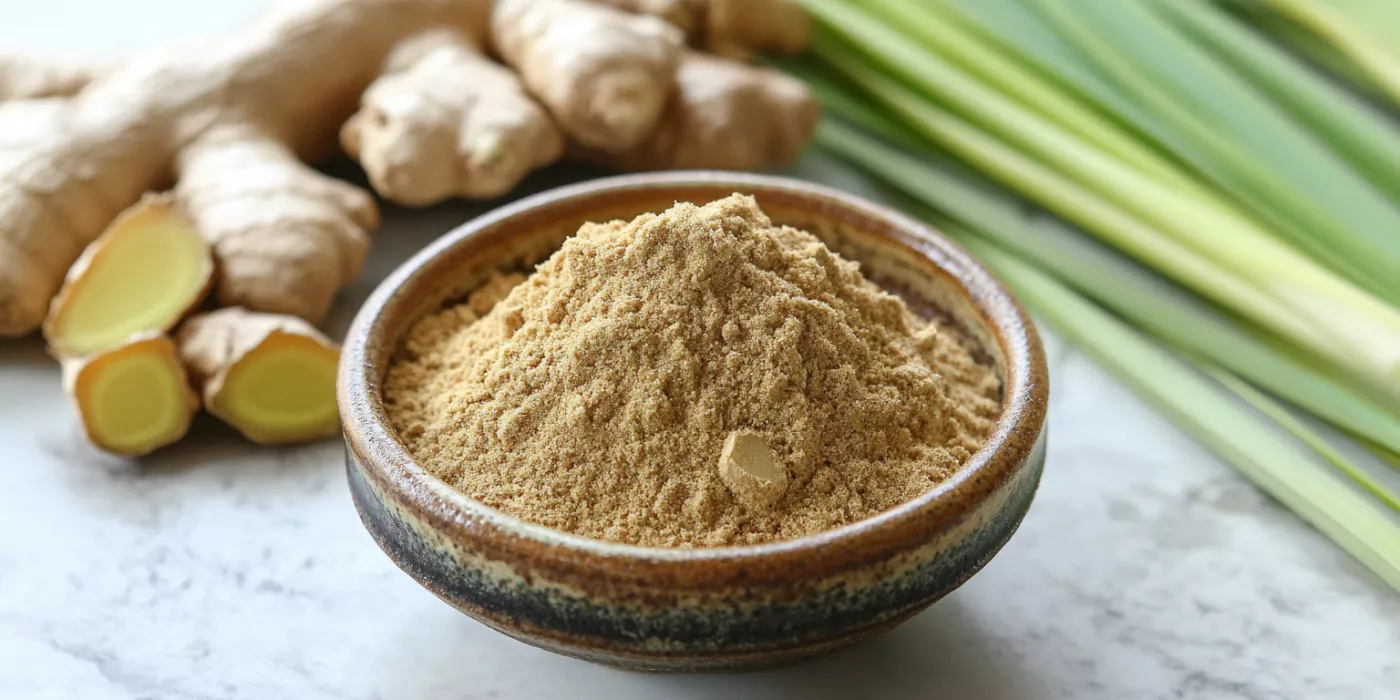
When switching from fresh ginger to ground, the key point is recognizing that ground ginger is far more concentrated. A rough guideline is that 1 tablespoon of freshly grated ginger can be substituted with about 1 teaspoon of ground ginger. However, this is just a starting point. Fresh ginger’s natural oils and moisture contribute a brightness that the powdered version may lack. If a recipe heavily relies on that sharp, zesty character, you might consider adding a splash of lemon juice or even incorporating a little more ground ginger to mimic the fresh taste.
If you are experimenting with “ginger and garlic” stir-fries, for instance, you might notice that ground ginger blends seamlessly into sauces but will not offer the crisp bite or fibrous texture that fresh ginger delivers. Because of this, recipes like soup broths, marinades, or certain baked goods might allow for a straightforward fresh-to-ground swap. But dishes that depend on the crunchy, fibrous element—like quick sautés or pickled ginger slices—could lose some of their textural appeal.
Always taste test along the way, especially if you are making a dish that requires a strong ginger presence. Ground ginger can become slightly bitter if overused, so start conservatively and adjust gradually. Over time, you will develop a feel for the flavor profile that works best. Paying attention to the moisture content in your recipe can also be crucial. If you replace fresh ginger in a marinade, for example, you may need to add a bit of extra liquid to keep your dish from turning out too dry or unbalanced.
Practical Tips for Fresh Ginger to Powder
The process of turning fresh ginger to powder at home involves thoroughly washing and peeling the ginger root before slicing it into thin pieces. You then dry these slices—often in a low-heat oven or a dehydrator—until all moisture is removed. Next, grind them into a fine powder using a spice grinder or high-speed blender. This fresh ginger to powder conversion is a handy way to ensure you never run out of ginger spice in your pantry. You can store your homemade ginger powder in an airtight container to preserve its aroma and pungency.
When working on any fresh ginger to powder conversion for a recipe, keep in mind that homemade ginger powder can vary in potency compared to store-bought versions. For the best results, measure carefully and adjust to taste. You might notice that homemade powder retains a stronger, fresher fragrance if you opt for high-quality ginger roots. Because you control the drying process, you can also influence how intense your final product turns out. If you allow the ginger slices to become extra dry, you may end up with a more potent powder that calls for reduced measurements.
Regardless of whether you use a commercial brand or your own homemade ginger powder, focus on storing it in a cool, dark place. Spices degrade when exposed to heat, light, or moisture, so proper storage can significantly prolong their flavor. Having your own powdered ginger supply is an excellent strategy for tackling multiple recipes, from robust curry blends featuring ginger and lemongrass to cozy baked goods that call for warming spices.
Popular Flavor Pairings
Ginger is the star of many kitchens, and for good reason: it pairs beautifully with a wide variety of ingredients, each combination bringing its own unique twist. From ginger and lemongrass, which unite to create a refreshing yet peppery undertone, to ginger and clove, cherished for their comforting, spicy warmth, these blends can elevate both sweet and savory dishes. In this section, we look at three popular flavor partnerships—ginger spice, ginger and garlic, and ginger and clove—and explore why they have become beloved staples around the world. Whether you are looking to deepen a savory stew or craft a soothing tea, these pairings have you covered.
Ginger Spice: Benefits and Uses
Known simply as “ginger spice,” this powdered form of ginger has secured a spot in many baking and cooking traditions. From classic gingerbread cookies to aromatic spice rubs for grilled meats, ginger spice adds a warm, peppery zest that can capture attention without overwhelming the palate. One of its key benefits is versatility—whether you are making sweet pastries or savory Asian-inspired dishes, powdered ginger consistently brings a burst of flavor to the table.
In sweet treats, ginger spice pairs exceptionally well with other warm spices such as cinnamon, nutmeg, and cardamom, creating a symphony of flavors often associated with holiday baking. When it comes to savory cooking, it complements ingredients like soy sauce, citrus juices, and even lemongrass to form a fusion of bright and earthy notes. If you are seeking to boost the health quotient of your meals, ginger spice is known for its antioxidants and potential anti-inflammatory properties. It can also serve as a gentle digestive aid, providing relief after a heavy meal. As a bonus, ginger spice is convenient, storing well in the pantry for months without losing too much of its punch.
While fresh ginger remains a staple for those who love the fibrous texture and zingy bite, ginger spice offers a quick, ready-to-use alternative that can fit right into busy lifestyles. Whether sprinkled into oatmeal or stirred into sauces, ginger spice brings a layer of complexity and richness that is both cozy and invigorating.
Combining Ginger and Garlic
Ginger and garlic come together in countless culinary traditions worldwide, forming a foundational base for flavorful stir-fries, curries, soups, and sauces. Both ingredients are known for their robust taste profiles. Garlic delivers an earthy pungency, while ginger contributes a bright, spicy undertone that can cut through richness. The resulting harmony can be found in everything from Chinese stir-fried vegetables to Indian masala bases.
Health-wise, pairing ginger and garlic is often celebrated for potential benefits in digestion and immune support. People who enjoy holistic wellness approaches sometimes make tea or tonics with these two ingredients, believing they can help fend off seasonal discomforts. In cooking, the synergy of ginger and garlic is particularly evident when sautéed together in oil. This combination forms a deeply aromatic base that infuses the dish with layers of comforting, savory complexity.
Whether you are preparing a quick weeknight meal or a long-simmering stew, using ginger and garlic can guide your recipe towards a satisfying flavor profile that feels balanced yet bold. If you want to highlight lemongrass as well, you can easily add it to this pair for a triple-threat infusion of citrusy, peppery, and garlicky goodness. The result can be a soup, sauce, or marinade so enticing that you might find yourself returning for seconds.
Delicious Infusion: Ginger and Clove
Few pairings exude warmth and comfort quite like ginger and clove. Both spices share a certain pungency, but while ginger has a sharper, citrusy taste, cloves bring a sweet, aromatic intensity that complements ginger perfectly. This synergy is why you often find ginger and clove together in mulled beverages, spiced baked goods, and even savory curries across different culinary traditions.
When adding ginger and clove to sweet recipes, the result is a cozy flavor that feels especially apt for colder months. Think gingerbread cookies, pumpkin pies, or hearty spice cakes that fill your kitchen with a fragrant holiday aroma. In savory dishes, you can harness this duo to make deep-flavored marinades or slow-cooked stews, where the slightly smoky undertone of cloves pairs delightfully with ginger’s bright zing.
Beyond the taste factor, combining ginger and clove can also pack a nutritional punch. Both are valued for their potential anti-inflammatory properties, and some people believe that their naturally warming characteristics can help boost circulation. If you are looking for a soothing way to enjoy this duo, try steeping them in hot water with lemongrass and a little honey for a tea that warms the soul while delivering a wonderful mix of aromas.
Health Benefits of Ginger
While ginger is often celebrated for its taste, its reputation in the health and wellness sphere is equally impressive. From “ginger for pregnancy” to “ginger blood pressure” considerations, this unique root carries a host of potential advantages that have made it a staple in both traditional remedies and modern diets. In this section, we explore three key health dimensions: ginger’s role during pregnancy, its influence on blood pressure, and the benefits of eating raw ginger. Please note that while ginger offers numerous benefits, it is always best to consult a healthcare professional for personalized advice, especially when dealing with specific health conditions.
Ginger for Pregnancy
Many women find ginger helpful in relieving the common discomforts associated with pregnancy, particularly nausea and morning sickness. Whether taken in the form of tea, small ginger candies, or added to gentle broths, ginger can provide a soothing touch that makes those queasy moments more manageable. A number of medical professionals suggest it can help calm the stomach, thanks to its natural compounds known to support healthy digestion.
However, moderation is key when it comes to ginger for pregnancy. Most experts recommend limiting daily intake, as excessive amounts might pose risks or interfere with certain conditions. Always discuss with your doctor or midwife before making substantial dietary changes. For those cleared to include ginger, it can be a comforting choice. Adding a small amount of grated fresh ginger to warm lemon water or sipping ginger tea throughout the day are popular methods to ease morning sickness.
If you also enjoy exploring diverse flavors, ginger and lemongrass soup can serve as a light, nourishing meal that is gentle on the stomach. By keeping an eye on portion sizes and consulting healthcare professionals, you can safely savor the benefits of ginger to help with the challenges pregnancy might bring.
Ginger Blood Pressure
Ginger’s potential influence on blood pressure has garnered attention among health enthusiasts. Some studies suggest that ginger may support circulatory health and help maintain healthy blood pressure levels, possibly due to its natural anti-inflammatory and vasodilatory properties. Of course, ginger is not a substitute for prescribed medication or professional medical advice. Rather, it can be part of a broader healthy eating plan, especially when combined with other nutrient-rich foods and an active lifestyle.
One easy way to integrate ginger into your diet is through regular meals that feature it as a key ingredient. Stir-fries, teas, and soups are prime examples, and you can add complementary flavors like garlic, lemongrass, or clove to enhance the taste and nutritional profile. Because sodium intake heavily influences blood pressure, ginger can serve as a flavorful alternative to salt. Using fresh ginger to ground or powder forms can spice up your dishes without the need for extra sodium, making it a handy strategy for those watching their salt consumption.
As with any dietary choice, balance remains crucial. If you are managing high blood pressure, make sure to monitor your health and follow guidance from your healthcare team. Incorporating ginger into a well-rounded routine that includes stress management, exercise, and other smart habits can offer a gentle push toward better cardiovascular wellness.
Eating Raw Ginger for Wellness
Although ginger is often cooked, pickled, or powdered, eating raw ginger can be an effective way to reap its maximum benefits. Consuming raw ginger allows you to experience its sharp, invigorating flavor at full strength, as well as its potentially soothing effects on digestion and inflammation. Some people even chew on a small slice of ginger to settle a troubled stomach or ease minor throat irritation, appreciating the quick relief it can provide.
Because raw ginger has a spicy edge, you may prefer to slice or grate it finely, mixing it into salads, smoothies, or dips to balance out its intensity. Another technique is to steep raw ginger slices in warm water to create a mild, comforting tea. For those new to eating raw ginger, starting with small amounts is advisable to gauge your tolerance. While raw ginger can be potent, it is also wonderfully refreshing—especially when combined with lemongrass or a squeeze of citrus to moderate its bite.
Like many whole foods, ginger offers phytonutrients and antioxidants that may benefit overall health. Its strong taste indicates the presence of gingerol, the main bioactive compound linked to its medicinal properties. When incorporating raw ginger into your daily routine, remember to source fresh, high-quality ginger roots that are free of mold or wrinkles, ensuring you get the most from this time-tested wellness ingredient.
FAQs
Raw ginger is known for its potential digestive benefits because of compounds like gingerol, which may help ease nausea and boost gut health. Many people enjoy chewing thin slices of fresh ginger or adding them to teas, smoothies, or salads for a flavorful and possibly soothing effect on digestion.
Raw lemongrass has a fibrous texture, making it tough to eat directly. However, thinly sliced or bruised lemongrass can be added to salads or teas for a burst of citrusy flavor. Most commonly, lemongrass is steeped, sautéed, or simmered in dishes to release its aroma without the challenge of chewy fibers.
For most healthy individuals, moderate daily consumption of ginger and garlic is generally considered safe and can offer potential health benefits. Both ingredients are widely used in cooking, traditional remedies, and wellness routines. If you have specific concerns, consult a medical professional to discuss your dietary needs.
While ginger may support healthy blood pressure levels, it is not a substitute for prescribed medications or professional advice. If you are managing high blood pressure, consult with your healthcare team before making changes to your treatment or diet. Ginger can be a helpful addition to a balanced eating plan, but always follow medical guidance.
Fresh ginger imparts a bright, zesty flavor and fibrous texture, while ground ginger offers a more concentrated, warm taste. The general rule is that 1 tablespoon of fresh ginger can be replaced with about 1 teaspoon of ground ginger. Always adjust the amount to your preference, as ground ginger can taste stronger or slightly different.
Ginger and clove can both be quite strong, so balance is key. Start small with each spice and taste as you go. Adjust gradually to avoid overpowering your dish. You might pair them with other softer spices like cinnamon, or add a touch of sweetness—like honey or brown sugar—to harmonize the overall flavor profile.
Ginger and lemongrass shine in soups, stir-fries, teas, and curries. Their bright, citrusy aromas elevate dishes with minimal effort, lending a fresh kick that complements vegetables, seafood, and meats alike. Try infusing them in broths or simmering them in coconut milk for a comforting and aromatic base.