High Intensity Interval Training for Weight Loss
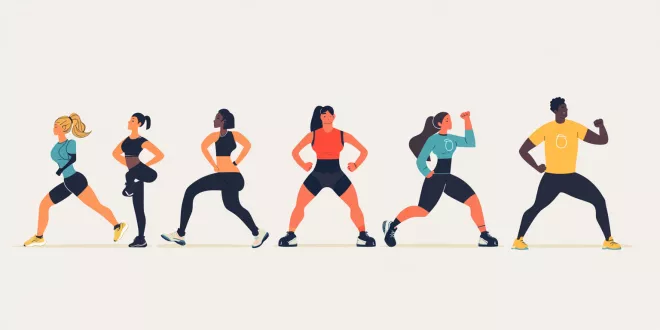
High Intensity Interval Training for weight loss is essential as modern life quickens, finding efficient ways to incorporate exercise into our daily routine becomes crucial.
Introduction
As the pace of modern life quickens, finding efficient ways to incorporate exercise into our daily routine becomes crucial. High-Intensity Interval Training (HIIT) and circuit training have emerged as effective methods to achieve weight loss and fitness goals. Let’s explore how these high-intensity workouts can fit into a healthy lifestyle.
Overview of High Intensity Interval Training for Weight Loss
High-Intensity Interval Training, or HIIT, involves short bursts of intense exercise followed by rest or lower-intensity periods. This approach not only maximizes calorie burn in a short amount of time but also boosts metabolism, making it a powerful strategy for weight loss. By pushing the body to its limits and allowing brief recovery, HIIT ensures that calories continue to burn even after the workout session ends.
Benefits of Time‑Efficient Workouts for Calorie Burn
Time-efficient workouts like HIIT offer significant advantages for those with busy schedules. They provide a condensed yet powerful exercise session that can lead to substantial calorie burning. These workouts improve cardiovascular health, enhance endurance, and contribute to safer and faster weight loss, making them ideal for individuals seeking effective workout solutions without long time commitments.
HIIT Cardio for Weight Loss
HIIT cardio is a targeted form of high-intensity training focusing on cardiovascular exercises. It is designed to increase heart rate and maximize calorie expenditure, thus enhancing the weight loss process. Intensity and variation are key elements that set HIIT cardio apart from standard workouts.
How HIIT Cardio for Weight Loss Maximizes Fat Burn
HIIT cardio's effectiveness in fat burning lies in its ability to create a post-exercise oxygen consumption effect, leading to an increased calorie burn for hours after finishing the workout. This results in significant fat loss over time. By incorporating movements such as sprints, jump squats, or burpees, HIIT cardio challenges the body, ensuring higher calorie burn and enhanced cardiovascular health.
Sample HIIT Routines and Their Effectiveness
Sample HIIT routines include alternating between 30 seconds of intense exercise and 30 seconds of rest. For example, a routine might start with a 30-second sprint followed by 30 seconds of walking. Such routines can be customized to include activities like cycling, rowing, or bodyweight exercises, all designed to target various muscle groups and maintain engagement while promoting efficient calorie burn.
Circuit Training for Weight Loss
Circuit training combines a series of exercises performed in sequence, targeting different muscle groups with minimal rest in between, to keep the heart rate elevated and promote calorie burning. This adaptable workout style is beneficial for both beginners and seasoned athletes.
Exploring Circuit Training for Weight Loss Techniques
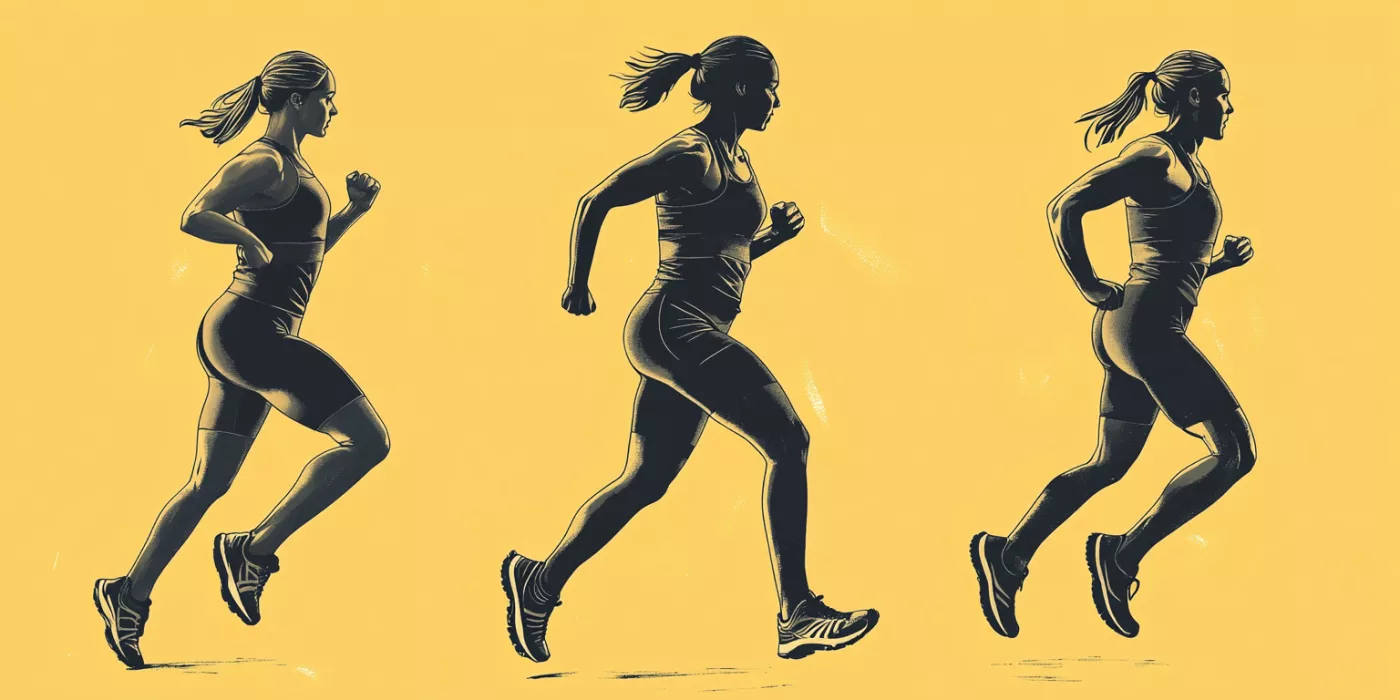
Circuit training techniques for weight loss typically involve a combination of strength training and cardiovascular exercises. This dual approach not only burns calories but also builds muscle, leading to a more toned appearance. With exercises like push-ups, dumbbell lifts, and jumping jacks incorporated into the routine, circuit training maintains high intensity across various movements.
Creating an Effective Circuit Workout for Weight Loss
To create an effective circuit workout, one must carefully select exercises that engage different muscle groups while keeping transitions seamless. A well-rounded circuit might include lunges, planks, and kettlebell swings performed in cycles with little to no rest between moves. This structure not only improves strength but keeps the heart rate in the fat-burning zone.
Fat Burning Weight Workout Strategies
Fat-burning weight workouts involve strength training with the aim of increasing muscle mass and speeding up metabolism. These workouts focus on higher reps with moderate weights to optimize calorie burn while strengthening muscles.
Designing a Fat Burning Weight Workout for Maximum Results
Designing a fat-burning weight workout entails targeting all major muscle groups through compound exercises like squats, deadlifts, and bench presses. These exercises engage multiple muscles simultaneously, leading to greater calorie burn and muscle growth. Incorporating progressive overload — gradually increasing the weights used — can amplify the fat loss and improve overall fitness.
Fasted Cardio for Fat Loss
Fasted cardio, performed before breakfast, capitalizes on the body's overnight fasting state to enhance fat burning. This technique is popular among those looking to efficiently lose fat while maintaining lean muscle.
Benefits and Considerations of Fasted Cardio for Fat Loss
The main benefit of fasted cardio is its potential to increase fat utilization, as the body may target fat reserves for energy. However, it’s essential to consider individual energy levels and dietary needs; not everyone will respond to fasted workouts similarly. Adequate hydration and a balanced approach can help maximize the effectiveness of this fat-loss strategy.
Incorporating Fasted Cardio into Your Routine
To effectively incorporate fasted cardio, one should start with moderate-intensity exercises like brisk walking or light cycling. Gradually increasing the intensity can help if energy levels permit. Listening to your body, acknowledging fatigue, and adjusting workouts accordingly will help sustain this approach over time, ensuring safety and efficiency.
Conclusion
High-Intensity Interval Training and circuit training offer effective, high-intensity workout options that fit well into a busy lifestyle. These methods provide time-efficient, calorie-torching exercise solutions that enhance overall fitness and aid weight loss efforts.
Recap of HIIT & Circuit Training Methods
Both HIIT and circuit training maximize calorie burn through intense, varied routines that keep workouts engaging and effective. By alternating between periods of exercise and rest, or seamlessly transitioning between exercises, these methods ensure sustained weight loss results.
Tips for Sustaining High‑Intensity Workouts for Weight Loss
To maintain high-intensity workouts, consistency is key. Setting achievable goals, tracking progress, and mixing different exercises to prevent monotony can help. Additionally, ensuring adequate recovery and nutrition will support ongoing weight loss and fitness advancements.
FAQs
High intensity interval training (HIIT) for weight loss involves short bursts of intense exercise followed by rest periods, maximizing calorie burn and boosting metabolism.
Circuit training combines exercises targeting different muscle groups with minimal rest, keeping the heart rate elevated and promoting calorie burning.
HIIT cardio for weight loss increases heart rate and maximizes calorie expenditure, enhancing the weight loss process and improving cardiovascular health.
To create an effective circuit workout for weight loss, select exercises that engage different muscle groups with seamless transitions to maintain high intensity.
Fasted cardio is performed before breakfast, targeting fat reserves for energy due to the body's overnight fasting state, potentially enhancing fat loss.
Sample HIIT routines include alternating 30 seconds of intense exercise like sprints with 30 seconds of rest, customizable with various activities.
Fat burning weight workouts involve strength training with higher reps and moderate weights to optimize calorie burn and increase muscle mass.
Yes, time-efficient workouts like HIIT are highly effective for calorie burn, providing condensed sessions that improve cardiovascular health and endurance.
Yes, beginners can perform HIIT by adjusting the intensity and gradually increasing workout duration as their fitness levels improve.
Adequate recovery is crucial in sustaining high-intensity workouts, as it helps prevent injury, supports muscle repair, and maintains performance levels.