The importance of micronutrients and where to find them
In today’s fast-paced world, the term ‘micronutrients’ is becoming increasingly essential in health and nutrition circles. These mighty nutrients, though required in tiny amounts, play colossal roles in our overall health and vitality. If you’re keen to understand what micronutrients are, why they’re crucial, and where to source them naturally, this guide is for you.
Table of contents
- Introduction
- The Essential Role of Micronutrients
- Common Micronutrients and Their Benefits
- The Consequences of Micronutrient Deficiency
- Natural Sources of Micronutrients
- Dietary Recommendations: Navigating the Nutritional Landscape
- Micronutrients for Specific Groups: Tailoring Nutritional Needs
- The Role of Supplements: Enhancing or Substituting?
- Conclusion: The Symphony of Micronutrients in Optimal Health
- FAQs
Introduction
In the vast universe of nutrition, we often hear about proteins, carbs, and fats, the titans of our dietary intake. However, lurking in the shadows of these giants is a brigade of essential elements that, despite being needed in only trace amounts, are integral for our well-being. Enter the world of micronutrients, the unsung heroes that truly make a difference in our daily health. As you embark on this enlightening journey, you'll discover what micronutrients are and how they differ from their macro counterparts.
Brief on Micronutrients: What are they?
Micronutrients are a category of essential nutrients required by the body in smaller quantities compared to macronutrients. While we need macronutrients in grams, we only need micronutrients in milligrams or micrograms. These include vitamins and minerals, which act as co-factors in countless biochemical reactions, ensuring our bodies operate efficiently.
Vitamins are organic compounds that serve various roles in the body. For example, vitamin C boosts our immune system, while vitamin D supports bone health. On the other hand, minerals are inorganic elements crucial for functions like maintaining fluid balance, transmitting nerve signals, and forming structural components like bones and teeth.
The Difference between Micronutrients and Macronutrients:
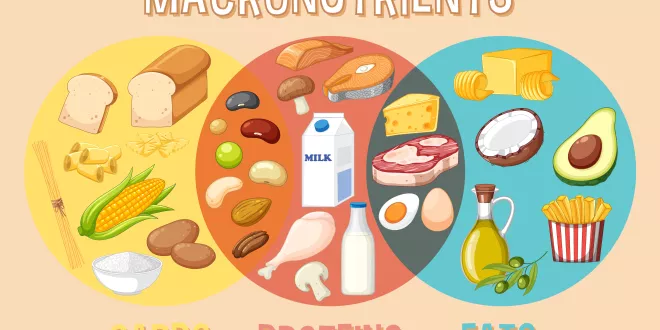
One of the primary distinctions between micronutrients and macronutrients lies in the quantity required. Macronutrients, as the prefix 'macro' suggests, are needed in more substantial amounts. They provide the body with energy, with carbohydrates and proteins supplying 4 calories per gram, and fats delivering 9 calories per gram.
In contrast, micronutrients are all about quality, not quantity. Even though we need them in trace amounts, they are indispensable for our health. Think of it this way: macronutrients are like the bricks and mortar of a house, providing the structure and energy, while micronutrients are the tools – the wrenches and screwdrivers – that allow you to build and maintain that structure efficiently.
Understanding this difference is crucial for crafting a balanced and nutritious diet. While macros provide the calories that fuel our bodies, it's the micronutrients that ensure everything runs smoothly, from the beating of our hearts to the firing of our neurons. In the following sections, we'll explore where you can find these vital micronutrients in the foods you eat, helping you make informed choices for your overall well-being.

The Essential Role of Micronutrients
Micronutrients might be small in quantity, but their impact on our health is monumental. Often overshadowed by the more talked-about macronutrients (like carbohydrates, proteins, and fats), micronutrients are vitamins and minerals that our body needs in trace amounts to function optimally. Let's delve into their essential roles in health, immunity, growth, and the proper functioning of body systems.
Boosting Immunity
A strong immune system is our body's primary defense against infections and diseases. Micronutrients, such as vitamin C, vitamin D, zinc, and selenium, play pivotal roles in fortifying our immune response. For instance, vitamin C helps stimulate the production of white blood cells, the body's primary infection-fighting cells. Meanwhile, zinc is essential for maintaining the integrity of our skin and mucous membranes, the body's first line of defense against pathogens. A regular intake of these micronutrients can significantly boost our immune function, helping ward off illnesses and recover faster when we do fall sick.
Supporting Growth and Development
From the very moment of conception, micronutrients are at work. They're crucial for the growth and development of fetuses, infants, children, and adolescents. Calcium and vitamin D, for instance, are essential for the development of healthy bones and teeth. Iron is crucial for preventing anemia and supporting cognitive development. Folate, especially vital during pregnancy, helps prevent neural tube defects in the fetus. Ensuring a steady supply of these nutrients during the formative years supports optimal growth, brain development, and sets the foundation for a healthy adulthood.
Ensuring Proper Functioning of All Body Systems
Micronutrients are like the unseen gears that keep the machinery of our body running smoothly. For our heart, magnesium and potassium help maintain regular heart rhythms. For our brain, vitamins like B12 and folic acid support nerve function and mental clarity. For our digestive system, vitamin A ensures the health and function of the gut lining. The list goes on. A deficiency in any of these essential nutrients can disrupt the delicate balance of our body systems, leading to diseases and disorders.
Micronutrients, though required in minuscule amounts, hold immense importance in maintaining our overall health and well-being. A balanced diet rich in fruits, vegetables, lean proteins, and whole grains can help us get the right mix of these vital nutrients. However, in situations where dietary intake is insufficient, supplements can come in handy. Always consult with a healthcare professional before making any significant changes to your diet or supplement routine.

Common Micronutrients and Their Benefits
While macronutrients like carbohydrates, proteins, and fats often get the limelight in our dietary conversations, micronutrients are the unsung heroes that play a critical role in maintaining our overall health and vitality. These minute elements, while needed in small quantities, ensure the smooth functioning of various bodily systems. Let's dive deeper into understanding the types of micronutrients and their myriad benefits.
Vitamins
Vitamins are organic compounds that our bodies need in small amounts to function properly. They're vital for growth, immune function, brain development, and many other important functions.
Role in our life: Our bodies cannot produce most vitamins, so we must get them from food or supplements. They play a key role in energy production, wound healing, bone formation, eyesight, and more. For instance, vitamin C helps heal wounds and maintain skin health, while vitamin D helps with calcium absorption for strong bones.
Vitamin A
Vital for vision, reproduction, and immune system strength, vitamin A is predominantly found in foods like carrots, sweet potatoes, and dark leafy greens. It also plays a pivotal role in heart, lung, and kidney function. A deficiency can result in night blindness and can adversely affect the immune system.
B Vitamins
This complex group aids in the body's metabolism by helping convert food into energy. Each vitamin has its unique role:
B1 (Thiamine)
Essential for nerve function and glucose metabolism. Found in fortified breads, cereals, and whole grains.
B2 (Riboflavin):
Helps in energy production and the metabolism of fats. Dairy products, eggs, and green leafy vegetables are good sources.
B3 (Niacin)
Plays a role in DNA repair and production of certain hormones. Found in meats, fish, dairy, and eggs.
B5 (Pantothenic Acid)
Necessary for fatty acid synthesis. Present in nearly every food group.
B6
Important for brain development during pregnancy and immune function. Found in poultry, seafood, and bananas.
B7 (Biotin)
Aids in the metabolism of carbohydrates and proteins. Found in nuts, seeds, and eggs.
B9 (Folate)
Critical for proper brain function and mental and emotional health. Leafy vegetables, fruits, beans, and peas are rich in folate.\
B12
Essential for nerve tissue health, brain function, and red blood cell formation. Predominantly found in animal products.
Vitamin C
More than just a cold fighter, vitamin C helps in collagen formation (essential for wound healing) and aids in iron absorption. Abundantly present in citrus fruits, bell peppers, strawberries, and tomatoes. A deficiency can lead to scurvy, characterized by fatigue and gum inflammation.
Vitamin D
Often termed the "sunshine vitamin," it's critical for bone and teeth health, aiding in calcium absorption in the gut. Fatty fish, beef liver, and cheese are good dietary sources. Lack of vitamin D can lead to brittle bone conditions like osteoporosis.
Vitamin E
Vitamin E, primarily found in nuts, seeds, and vegetable oils, acts as a powerful antioxidant. It aids in neutralizing free radicals, which can damage cells, and also plays a vital role in immune function, DNA repair, and other metabolic processes. A deficiency can lead to nerve and muscle damage, resulting in muscle weakness and vision problems.
Vitamin K
Vitamin K is essential for the clotting of blood and maintaining bone health. It can be sourced from green leafy vegetables like kale and spinach, as well as broccoli and Brussels sprouts. Vitamin K works in tandem with calcium and vitamin D to keep our bones strong. A deficiency can lead to excessive bleeding and bruising.
Minerals
Minerals are inorganic substances that come from the earth; plants and animals absorb them and make them available to us when we consume food. Key minerals include calcium, phosphorus, potassium, sulfur, sodium, chlorine, and magnesium.
Role in our life: Minerals are crucial for various bodily functions. They are vital for bone health, maintaining fluid balance, and several other processes. For instance, calcium is essential for healthy teeth and bones, while iron is needed for transporting oxygen in the blood.
Calcium
This mineral isn't just for strong bones and teeth. It's also essential for nerve signaling and muscle contraction. While dairy is the most popular source, tofu, leafy greens, and almonds also offer good amounts.
Iron
A key player in the production of red blood cells, iron helps transport oxygen across the body. Red meat, spinach, and lentils are rich in iron. Insufficient iron intake can lead to anemia, characterized by fatigue and paleness.
Magnesium
Supporting a variety of biochemical reactions in the body, magnesium is essential for muscle contractions, nerve function, and the regulation of blood pressure. Avocados, nuts, and legumes are rich in this mineral.
Zinc
Critical for DNA synthesis, wound healing, and immune function, zinc can be found in a variety of foods, including beans, nuts, and whole grains.
Trace Elements
Trace elements, also often classified under minerals, are minerals that our bodies need in very small amounts. Notable trace elements include selenium, iodine, chromium, copper, fluoride, molybdenum, and zinc.
Role in our life: Despite their tiny requirements, trace elements are crucial for numerous physiological roles. For example, iodine is essential for thyroid function, influencing growth and energy expenditure, while zinc plays a role in immunity, protein synthesis, and wound healing.
Iodine
Crucial for thyroid hormones production, iodine affects metabolic rates, energy production, and body temperature regulation. Commonly found in seafood, dairy products, and iodized salt.
Selenium
An antioxidant powerhouse, selenium helps prevent cell damage. Brazil nuts, seafood, and meats are excellent sources. Selenium also plays a role in DNA production and thyroid gland function.
Copper
Integral to energy production and iron metabolism, copper helps form red blood cells and maintains nerve cells. Oysters, shellfish, whole grains, and dark chocolate are rich sources.
The Consequences of Micronutrient Deficiency
Micronutrient deficiency is an often overlooked aspect of nutrition that can have far-reaching health implications. Despite their minute requirements, these vital nutrients are the linchpins for numerous bodily functions. Let's delve into the ramifications of not getting enough.
Common Deficiency
Our modern diets, often laden with processed foods and lacking in diverse whole foods, are a breeding ground for micronutrient deficiencies. Here are some of the most prevalent:
- Vitamin D: Often termed the "sunshine vitamin", its deficiency is common in regions with limited sunlight and among individuals who spend little time outdoors.
Iron: Predominantly found in pregnant women, young children, and vegetarians due to reduced iron intake or absorption. - Vitamin B12: Commonly deficient among vegans and vegetarians since B12 is predominantly found in animal products.
Iodine: Crucial for thyroid function, its deficiency is often found in regions away from the sea where seafood and seaweed consumption is low. - Vitamin A: Primarily affects children in developing countries where access to foods rich in vitamin A, like carrots and leafy greens, is limited.
Symptoms of Micronutrient Deficiency
Micronutrient deficiencies often manifest in subtle symptoms initially, which can escalate if not addressed:
- Vitamin D: Fatigue, muscle weakness, bone pain, and mood swings.
- Iron: Fatigue, paleness, frequent infections, and restless leg syndrome.
- Vitamin B12: Anemia, fatigue, tingling in hands and feet, mood disturbances, and blurred vision.
- Iodine: Weight gain, fatigue, cold intolerance, and hair loss.
- Vitamin A: Night blindness, dry skin, and frequent infections.

Natural Sources of Micronutrients
In the vast realm of nutrition, micronutrients often stand in the shadows of their more prominent counterparts, macronutrients. Yet, these tiny warriors play essential roles in maintaining optimal health. The beauty is, nature provides a plethora of food sources teeming with these vital elements. Let's embark on a journey to discover the treasures hidden in our everyday foods.
Fruits and Vegetables: Nature's Multivitamin
Fruits and vegetables are more than just colorful plate fillers; they're a veritable buffet of vitamins, minerals, and antioxidants.
Dark Leafy Greens: Spinach, kale, and Swiss chard are rich in vitamins A, C, K, and several B vitamins. They also supply minerals like calcium, magnesium, and iron.
Berries: Blueberries, strawberries, and raspberries are antioxidant powerhouses, offering a significant dose of vitamin C, fiber, and manganese.
Root Vegetables: Carrots, sweet potatoes, and beets come packed with beta-carotene (a precursor to vitamin A), potassium, and vitamin C.
Citrus Fruits: Oranges, grapefruits, and lemons are celebrated for their vitamin C. They also offer potassium and dietary fiber, supporting heart health.
Cruciferous Vegetables: Broccoli, cauliflower, and Brussels sprouts are not only rich in vitamins C, E, and K but also provide compounds that support liver function and may help prevent cancer.
Nuts and Seeds: Micronutrient Powerhouses
Almonds: These crunchy delights offer calcium, magnesium, vitamin E, and riboflavin.
Chia Seeds: A stellar source of calcium, magnesium, phosphorus, and omega-3 fatty acids.
Sunflower Seeds: They're teeming with vitamin E, magnesium, and selenium.
Walnuts: Known for omega-3s, they also boast copper, manganese, and biotin.
Flaxseeds: Apart from being another excellent source of omega-3s, they offer lignans, which have antioxidant properties.
Pumpkin Seeds: These are a great source of magnesium, iron, zinc, and protein.
Animal Products: Rich in Specific Micronutrients
While plant-based foods are nutrient-dense, animal products have their unique array of essential vitamins and minerals.
Fatty Fish: Salmon, mackerel, and sardines are not only rich in heart-healthy omega-3s but also provide vitamin D, B12, iodine, and selenium.
Poultry: Chicken and turkey are excellent sources of B vitamins, especially niacin and B6. They also provide essential minerals like zinc and selenium.
Eggs: Often referred to as nature's multivitamin, eggs supply a bit of almost every nutrient, from high-quality protein to choline and vitamins A, D, E, and B12.
Red Meat: While often debated for health reasons, lean cuts of beef and lamb are rich in iron, zinc, and B vitamins.
Dairy: Milk, cheese, and yogurt are primary sources of calcium and vitamin B12. They also offer phosphorus and potassium.
Shellfish: Oysters, clams, and mussels are incredibly rich in B12, zinc, and selenium. They also offer heme iron, which is more easily absorbed than the non-heme iron found in plant foods.
Every morsel of natural food we consume is a step towards holistic well-being. A diverse diet—replete with vibrant fruits, crunchy nuts, whole grains, lean meats, and more—is nature’s best insurance policy against micronutrient deficiencies. As we savor the tastes, let's also celebrate the nourishment these foods bring to our tables and lives.
Legumes and Whole Grains: The Unsung Heroes
Often overlooked, these food groups are stalwarts in the micronutrient department:
Beans & Lentils: Beyond being protein-rich, they offer iron, magnesium, phosphorus, and potassium.
Whole Grains: Foods like quinoa, barley, and oats aren’t just about carbs. They're packed with B vitamins, magnesium, iron, and fiber.
Dietary Recommendations: Navigating the Nutritional Landscape
In the intricate world of nutrition, understanding dietary recommendations is fundamental. These guidelines provide a roadmap to optimal health, ensuring that we get the right balance of nutrients. As we unlock the secrets of nutrition, we recognize that it's not just about eating, but eating right.
How Much is Enough: Daily Recommended Intakes
The big question on everyone's mind is often, "How much should I be consuming?" Understanding the Daily Recommended Intakes (DRIs) can clear up the fog:
Vitamins:
Vitamin D: For adults up to age 70, 600 IU is recommended, while those over 70 should aim for 800 IU.
Vitamin C: Men should target 90 mg/day, and women 75 mg/day.
Vitamin B12: Aim for about 2.4 micrograms per day for most adults.
Minerals:
Calcium: Adults up to age 50 should aim for 1,000 mg/day, and 1,200 mg/day post-50.
Iron: Men and postmenopausal women need about 8 mg/day, whereas premenopausal women should target 18 mg/day.
Trace Elements:
Zinc: Men require 11 mg/day, while women need 8 mg/day.
Selenium: The general recommendation is 55 micrograms per day for adults.
Remember, these figures are general guidelines. Specific needs can vary based on age, gender, activity level, and health conditions. Always consult with a healthcare professional for personalized advice.
Varied Diet: The Key to Micronutrient Richness
Relying on a single food source or group can lead to nutritional gaps. Embracing a variety of whole foods is the golden rule for securing essential micronutrients, including both vitamins and microminerals, crucial for optimal health.
- Colors on Your Plate: Aim for a rainbow. Red peppers, orange carrots, green spinach, blueberries - each color often signifies a different set of nutrients.
- Mix Protein Sources: Rotate between poultry, fish, red meat, legumes, and dairy. Each comes with its unique nutrient profile.
- Whole Grains Galore: Don’t just stick to one type of grain. Introduce barley, quinoa, oats, and brown rice into your diet.
- Nuts and Seeds: Almonds one day, walnuts another, and flaxseeds the next. Diversity is crucial.
A good rule of thumb: if your meals look the same every day, it might be time for a change. Diverse foods don't just excite your taste buds; they ensure a well-rounded intake of essential micronutrients.
With a sea of nutritional information out there, understanding dietary recommendations can seem daunting. However, by familiarizing ourselves with DRIs and embracing a varied diet, we can confidently navigate our way to optimal health. Nutrition isn’t about perfection; it's about making informed choices that serve our health in the best possible way.

Micronutrients for Specific Groups: Tailoring Nutritional Needs
While all nutrients play pivotal roles, the difference between macronutrients and micronutrients is their required quantities. Micronutrients, though needed in smaller amounts, are essential for specific functions of vitamins and minerals, especially during critical life stages and conditions that may increase the risk of micronutrient deficiency and its related symptoms. Whether you're expecting a baby, helping a teen navigate growth spurts, or ensuring golden years are truly golden, understanding the unique nutritional requirements is crucial. Here's a deep dive into the tailored micronutrient needs of different groups.
Pregnant and Nursing Women: Nourishing Two Lives
Pregnancy and breastfeeding are periods of increased nutritional demand, both for the mother and the growing child.
- Folic Acid: This B vitamin is crucial in the early stages of pregnancy to prevent neural tube defects. A daily intake of 400 to 800 mcg is typically recommended before conception and during early pregnancy.
- Iron: The body requires more iron during pregnancy, around 27 mg daily, to support increased blood volume and fetal development.
- Calcium: Essential for the developing baby's bones. Pregnant and nursing women should aim for 1,000 mg daily, or 1,300 mg if younger than 19.
- Iodine: Critical for the baby's brain development. The recommendation jumps to 220 mcg daily during pregnancy and 290 mcg during breastfeeding.
Children and Adolescents: Building Blocks of Growth
Children are not just mini-adults. Their rapid growth and development mean their micronutrient needs differ significantly from those of adults.
- Vitamin D: Essential for bone health and immunity. The daily recommended intake is 600 IU for children aged 1-18.
- Calcium: Critical for bone development. Children aged 4-8 need 1,000 mg daily, and this increases to 1,300 mg for those aged 9-18.
- Iron: Especially vital during periods of rapid growth. Children aged 4-8 need 10 mg daily, while boys aged 9-13 need 8 mg and girls of the same age need 8 mg, increasing to 15 mg from ages 14-18.
Seniors: Supporting Graceful Aging
As we age, our bodies undergo changes that can affect nutrient absorption and needs.
- Vitamin B12: Absorption can decrease in older adults, so it's crucial to ensure a daily intake of 2.4 mcg, possibly from fortified foods or supplements.
- Vitamin D: With advancing age, skin doesn't produce vitamin D as efficiently. Seniors need about 800 IU daily.
- Calcium: To combat the risk of osteoporosis, men over 70 and women post-menopause should aim for 1,200 mg daily.
- Magnesium: Essential for muscle function, bone health, and combating inflammation. Men aged 71 and older need 420 mg, while women require 320 mg.
The Role of Supplements: Enhancing or Substituting?
In our quest for optimal health, we sometimes find ourselves facing gaps in our diet. Maybe it's due to specific dietary restrictions, health conditions, or simply the modern-day hustle that makes balanced meals a challenge. Here’s where supplements come into play. But when are they truly beneficial, and how do you pick the right one?
When to Consider Supplementation
While whole foods are the gold standard for nutrient intake, there are instances where supplementation can be a valuable tool:
- Dietary Restrictions: Vegans might need vitamin B12, which is naturally found in animal products. Similarly, those with dairy allergies or lactose intolerance might require calcium and vitamin D supplements.
- Medical Conditions: Conditions like osteoporosis might necessitate increased calcium and vitamin D. Likewise, anemia might require iron supplementation.
- Life Stages: As previously discussed, pregnancy demands higher folic acid levels, while seniors might need additional vitamin D or B12.
- Limited Sun Exposure: Those living in northern latitudes or who spend limited time outdoors might benefit from vitamin D supplements.
- Digestive Disorders: Conditions like celiac or Crohn's disease can interfere with nutrient absorption, necessitating supplementation.
Always consult with a healthcare professional before starting any supplements!
How to Choose a Quality Supplement
The supplement aisle can be overwhelming. Here are tips to ensure you're making an informed choice:
- Research and Brand Reputation: Opt for brands known for their quality and testing standards. Check for third-party testing or certifications.
- Read Labels: Ensure the supplement provides an adequate amount of the desired nutrient. Also, look out for unnecessary additives, colors, or fillers.
- Bioavailability: This refers to how well a nutrient is absorbed and utilized by the body. For instance, magnesium citrate might be more bioavailable than magnesium oxide.
- Form of the Supplement: Some supplements come in various forms – capsules, tablets, liquids, or powders. Choose what's comfortable and convenient for you.
- Check for Interactions: Some supplements can interact with medications or other supplements, so it’s crucial to be aware and consult a healthcare provider.
While supplements can play a beneficial role in bridging nutritional gaps, they shouldn’t replace a balanced diet. Consider them as backup singers supporting the lead—whole foods. Ensuring you choose a quality supplement and use it appropriately can make all the difference in your health journey. Always prioritize natural food sources, and turn to supplements when genuinely needed, ensuring they complement rather than substitute your diet.
Conclusion: The Symphony of Micronutrients in Optimal Health
The tapestry of human health is intricately woven with threads of micronutrients, each strand as vital as the next. From the essential roles they play in daily physiological functions to their tailored significance across various life stages, it's evident that understanding micronutrients is foundational to our well-being.
Our journey through this realm of nutrition has underscored a few key insights:
- Holistic Approach: A varied, colorful diet rich in whole foods is the cornerstone of good health. Nature offers us an abundance—from the vast array of fruits and vegetables to the diverse range of nuts, seeds, and animal products. These natural sources are packed with the micronutrients our bodies crave.
- Tailored Needs: Different life stages, from the miracle of pregnancy to the grace of our golden years, come with unique nutritional demands. Recognizing these requirements and adjusting our diet or considering supplementation can ensure optimal health through every phase of life.
- Supplementary Support: While our primary focus should always be on a balanced diet, supplements, when used judiciously, can bridge nutritional gaps. They're especially beneficial in specific circumstances, be it dietary restrictions or medical conditions. However, the mantra is clear: choose quality and always consult with healthcare professionals.
In the vast ocean of nutrition information, our compass should always point towards balance, variety, and awareness. Micronutrients, though minuscule in their quantities, cast a mammoth impact on our health. Let's celebrate them, understand their significance, and ensure they're an integral part of our daily lives. After all, in the dance of life, micronutrients are the rhythm that keeps us moving gracefully.