Lower Back Pain Management: Causes and Solutions
Lower Back Pain Management is essential for maintaining a healthy lifestyle. It can significantly impact daily activities and overall well-being. Understanding its causes, treatments, and preventive measures is crucial to minimize discomfort and enhance quality of life.
Introduction
Managing lower back pain is essential for maintaining a healthy lifestyle. It can significantly impact daily activities and overall well-being. Understanding its causes, treatments, and preventive measures is crucial to minimize discomfort and enhance quality of life.
Understanding the Importance of Lower Back Pain Management
Lower back pain is a common condition affecting millions worldwide. It can be debilitating, hindering movement and decreasing productivity. Effective management includes identifying causes, implementing treatments, and adopting preventive strategies to ensure optimal health.
Common Causes of Lower Back Pain and Its Impact on Daily Life
Poor posture, lack of exercise, and improper lifting can lead to lower back pain. These issues, alongside stressful lifestyles, often exacerbate discomfort. The impact can range from mild soreness to severe pain, interfering with work, exercise, and social activities.
Causes and Risk Factors of Lower Back Pain
A thorough understanding of the causes and risk factors is essential to devise effective strategies for pain mitigation. Various factors such as muscle strains, structural problems, and lifestyle choices contribute to lower back pain.
Back Strain and Pulled Muscle in Back: Identifying the Difference
Back strain occurs when muscles or tendons are overstretched, often due to heavy lifting or improper movement. A pulled muscle refers to a sudden and acute injury affecting the back's muscle fibers. Both conditions lead to pain and require appropriate treatment to avoid further damage.
Understanding Lumbar Strain and How It Affects Mobility
Lumbar strain involves the overstretching or tearing of lower back muscles, affecting flexibility and motion. It commonly results from improper lifting or sudden twists, leading to inflammation and limited mobility. Addressing it swiftly is vital to restore normal function.
Pinched Nerve in Lower Back: Symptoms and Treatments
A pinched nerve occurs when surrounding tissues compress nerves in the lumbar region, causing sharp pain. Symptoms include numbness and tingling. Treatment options vary from rest to physical therapy, aiming to alleviate pressure and restore comfort.
How Back Spasms Can Worsen Lower Back Pain
Back spasms, involuntary muscle contractions, can severely intensify lower back pain. They are often induced by stress, fatigue, or underlying injury. Management involves relaxation techniques and targeted exercises to ease muscle tension and promote healing.
Lower Back Pain During Pregnancy
Pregnancy brings various physical changes, often leading to lower back pain. Understanding these changes and implementing safe management strategies is crucial for comfort and well-being.
Causes and Solutions for Back Pain During Pregnancy
During pregnancy, hormonal changes and weight gain can strain the lower back, causing pain. Proper posture, gentle exercises, and supportive gear like maternity belts can alleviate discomfort. Consulting healthcare providers ensures the safety and effectiveness of these solutions.
Safe Treatments for Lower Back Pain Pregnancy Discomfort
Safe treatments during pregnancy include prenatal yoga, chiropractic care, and massage therapy. These methods promote relaxation and improve posture, reducing back pain. Always consult with a healthcare professional before starting any new treatment to ensure it is safe for pregnancy.
Postpartum Recovery and Managing Back Pain After Birth
Post-delivery, back pain may persist as the body recovers. Gentle exercises, proper nutrition, and gradual strengthening of back muscles help restore normalcy. New mothers should prioritize their health and seek professional guidance during this recovery phase.
Lumbar Radiculopathy and Spinal Issues
Spinal health plays a pivotal role in maintaining a pain-free lower back. Conditions like lumbar radiculopathy involve nerve compression, leading to discomfort and require thorough understanding and treatment.
What is Lumbar Radiculopathy and How It Causes Pain?
Lumbar radiculopathy involves nerve root compression in the spine, causing radiating pain, numbness, or weakness. It often results from herniated discs or spinal stenosis. Accurate diagnosis and targeted treatments are essential for relieving symptoms and restoring mobility.
Understanding the Role of the Spine in Lower Back Pain
The spine's structure and health significantly influence lower back pain. Conditions like degenerative disc disease or spinal misalignment can lead to chronic pain. Emphasizing spinal health through posture correction and physiotherapy is crucial for pain prevention.
When to Seek Medical Help for Persistent Back Pain
Persistent back pain that interferes with daily activities requires medical intervention. Symptoms like severe pain, weakness, or loss of bladder control demand urgent attention. Consulting with specialists ensures appropriate diagnosis and treatment, preventing complications.
Strengthening Lower Back Muscles to Prevent Pain
Strengthening the lower back muscles is a proactive approach to preventing pain. Regular exercises improve flexibility and support, fostering a resilient and pain-free back.
Lower Back Exercises to Improve Strength and Flexibility
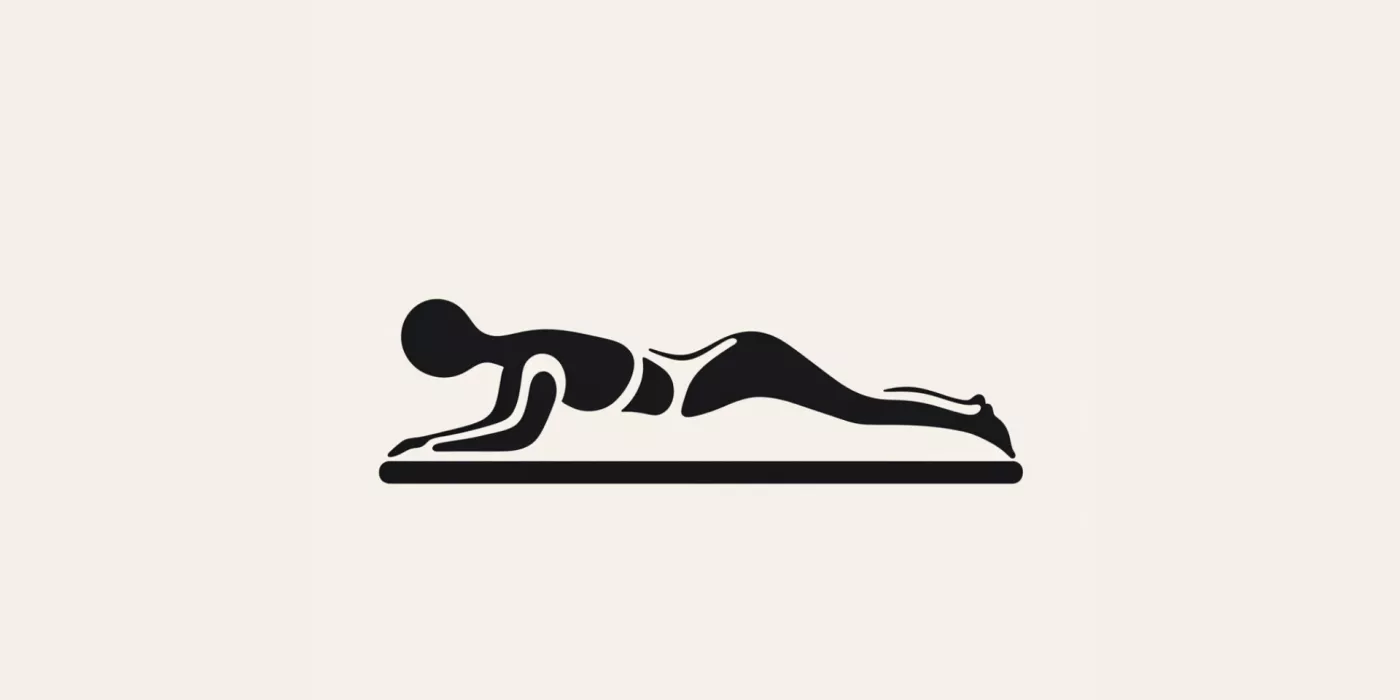
Incorporating exercises like bridges, planks, and pelvic tilts into a routine enhances lower back strength and flexibility. These activities target the muscles supporting the spine, reducing strain and promoting stability.
Back Exercises to Support Posture and Reduce Strain
Exercises focusing on core and back muscles aid in maintaining proper posture, reducing strain on the spine. Activities such as yoga and pilates improve muscle balance and alignment, essential for back health and pain reduction.
How Stronger Back Muscles Help in Pain Management
Developing stronger back muscles provides essential support to the spine, mitigating pain. This strength enhances endurance, minimizing the risk of injury from daily activities and supporting overall back health.
Treatment and Pain Relief Options
A comprehensive approach to treating lower back pain involves a mix of at-home remedies, professional therapy, and lifestyle changes, each playing a vital role in relief and prevention.
At-Home Remedies for Lower Back Ache Relief
Home remedies such as heat therapy, cold packs, and gentle stretching can effectively alleviate mild lower back aches. Incorporating rest and over-the-counter medications provides additional comfort, facilitating quicker recovery.
Physical Therapy and Rehabilitation for Chronic Pain
Physical therapy involves targeted exercises and manual techniques to address chronic back pain. Rehabilitation focuses on restoring function and strength, enabling individuals to return to normal activities without discomfort.
Lifestyle Adjustments to Prevent Lower Back Pain
Adopting a healthier lifestyle can prevent lower back pain. Regular exercise, a balanced diet, and ergonomic adjustments in daily activities reduce strain and support spinal health, forming the foundation of long-term back pain prevention.
Conclusion
Understanding and addressing the myriad causes of lower back pain is essential for effective management and prevention. Incorporating various treatments and lifestyle changes helps in maintaining a healthy back and overall well-being.
Recap of Lower Back Pain Causes and Treatments
Lower back pain arises from numerous factors like muscle strain, pregnancy, and spinal issues. Treatments range from lifestyle adjustments, exercises, to professional interventions, each offering a pathway to relief and improved functionality.
Final Tips on Preventing and Managing Lower Back Pain
Prevention is key in managing lower back pain. Regular exercise, mindful movement, and proper ergonomics play critical roles in sustaining a pain-free lifestyle. Emphasizing these practices supports long-term spinal health and comfort.
FAQs
Common causes include poor posture, lack of exercise, improper lifting, and stressful lifestyles. These can lead to mild soreness or severe pain.
Lower back pain during pregnancy can be managed with proper posture, gentle exercises, and supportive gear like maternity belts.
Seek medical help if back pain interferes with daily activities or if symptoms like severe pain, weakness, or loss of bladder control occur.
Exercises like bridges, planks, and pelvic tilts improve lower back strength and flexibility, supporting spine health.
Lumbar radiculopathy is nerve root compression in the spine, causing radiating pain, often due to herniated discs or spinal stenosis.
Back spasms are involuntary muscle contractions often induced by stress or fatigue, intensifying lower back pain.
Yes, safe treatments include prenatal yoga, chiropractic care, and massage therapy, all after consulting a healthcare provider.
Regular exercise, a balanced diet, and ergonomic adjustments reduce strain and support spinal health, preventing lower back pain.
Symptoms include sharp pain, numbness, and tingling due to tissue compressing nerves in the lumbar region.
The spine's health influences lower back pain, as conditions like degenerative disc disease can lead to chronic discomfort.