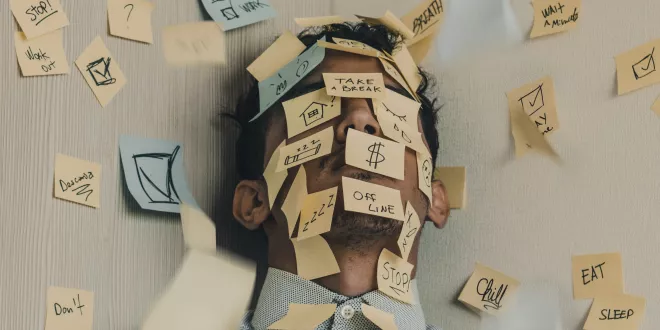
Practical Techniques and Resources for Stress Management
Master practical techniques to combat stress, from effective time management to the restorative power of sleep. Delve into the digital world's impact on stress and explore when and how to seek professional help for holistic well-being.
Introduction
In today's fast-paced world, where each tick of the clock seems to bring new demands, the battle against stress can often feel never-ending. While the previous post delved deep into understanding and identifying stress, this second installment provides actionable strategies, resources, and techniques that can serve as your arsenal in the war against overwhelming stress. Embarking on this journey requires not just knowledge but also the tools to put that knowledge into practice.
Why Practical Techniques Matter
Stress, in its essence, is not always detrimental. In fact, it can serve as a motivating force, pushing us to overcome challenges and achieve our goals. However, when stress becomes chronic and exceeds our coping threshold, it can adversely affect our mental, emotional, and physical health. This is where practical techniques come into play. By employing the right strategies, we can not only manage stress but also channel it in ways that enhance our productivity and well-being.
The Role of Resources in Stress Management
Think of resources as the ammunition in your stress-busting toolkit. While techniques provide the approach, resources, whether they be books, online tools, or local seminars, offer continued guidance and support. They act as a compass, guiding you when you're lost, and as a source of reinforcement when you need it most.
Customizing Techniques for Individual Needs
Remember, stress is a deeply personal experience, and what works for one person might not work for another. It's essential to acknowledge this individuality and choose techniques that resonate with your unique needs and circumstances. This post aims to present a comprehensive range of strategies, but the real magic happens when you adapt and integrate these into your lifestyle in ways that feel most natural and effective.
A Lifelong Journey
Lastly, it's crucial to understand that managing stress isn't about seeking a one-time fix. It's a continuous journey of self-discovery, adjustment, and evolution. As life presents new challenges, your strategies might need to evolve. Being adaptable, open-minded, and proactive is the key.
In this post, we'll delve deep into a myriad of techniques and resources, from time management hacks to the art of setting digital boundaries, to equip you with a holistic approach to managing stress. So, buckle up and get ready to navigate the intricate landscape of stress with newfound confidence and clarity.

Time Management and Prioritization
One of the most prevalent sources of stress in our modern world stems from a sensation of being overwhelmed by the countless tasks we face daily. However, stress isn't always a product of the number of duties we have, but how we manage and prioritize them. By mastering the arts of time management and task prioritization, we can navigate our days with efficiency, reducing the stress associated with looming deadlines and overflowing task lists.
Effective Techniques for Task Organization
Time management begins with understanding and organizing the tasks at hand. Here are proven techniques to enhance productivity, ensuring tasks don't transform into stress triggers:
- The Eisenhower Box: This method segregates tasks into four categories: urgent and important, not urgent but important, urgent but not important, and neither urgent nor important. By categorizing, we can tackle tasks in a structured manner.
- The Pomodoro Technique: By breaking work into intervals (traditionally 25 minutes) followed by short breaks, this technique maintains high levels of focus and gives regular rest periods.
- To-Do Lists: A simple yet effective tool. Prioritize tasks, tackle high-priority ones first, and cross them off as they're completed for a sense of achievement.
- Time Blocking: Allocate specific blocks of time for specific activities. This ensures that each task gets dedicated attention and prevents multitasking, which can dilute focus.
- Set SMART Goals: Goals should be Specific, Measurable, Achievable, Relevant, and Time-bound. This clarity ensures tasks are achievable and results measurable.
The Power of Saying "No"
As we strive to be efficient, it's essential to recognize that not every task or request warrants our attention. The ability to decline is as vital as the capability to execute:
- Value Your Time: Recognize that your time is a finite resource. Every "yes" is a commitment. Evaluate if it aligns with your priorities.
- Be Assertive: Politely but firmly decline tasks or commitments that don't fit into your schedule or align with your goals.
- Avoid Overcommitment: Overextending oneself can lead to burnout. It's more effective to fully engage in a few tasks than to spread oneself too thin across many.
- Delegate: If certain tasks can be executed by someone else, delegate. It's about working smarter, not harder.
Balancing Work, Family, and Personal Time
For a truly balanced life, it's crucial to ensure harmony between our professional responsibilities, commitments to loved ones, and time for self:
- Set Boundaries: Designate specific times for work, family, and self. Stick to these boundaries to prevent one aspect from overshadowing the others.
- Quality Over Quantity: It's not always about the amount of time spent but the quality. Ensure undivided attention in the moments dedicated to family or self.
- Schedule Personal Time: Just as we slot time for meetings, block out periods for self-reflection, relaxation, or pursuing hobbies.
- Unplug: In our digital age, disconnect from electronic devices during family or personal time to be truly present.
Time management and prioritization are potent tools in our arsenal against stress. By organizing tasks, valuing our time, and ensuring a balanced distribution between work, family, and self, we can lead a harmonious, stress-reduced life. As we journey further, we'll delve into more strategies and techniques to foster a balanced and fulfilled existence.

Deep Breathing and Relaxation Techniques
In our fast-paced world, moments of stillness often elude us. However, harnessing the power of our breath can become a sanctuary of calm amidst the storm. Deep breathing and relaxation techniques not only offer immediate relief from acute stress but, when practiced consistently, pave the way for long-term mental resilience and tranquility.
Anatomy of a Deep Breath
Breathing seems instinctual, but there's an art to a truly deep, revitalizing breath:
- Diaphragmatic Breathing: Also known as abdominal breathing, this technique involves inhaling deeply through the nose, allowing the diaphragm (not just the chest) to rise. This fills the lower portion of the lungs with fresh air, optimizing oxygen exchange.
- Rhythmic Breathing: Maintain a consistent rhythm. For instance, a 4-7-8 pattern involves inhaling for 4 seconds, holding the breath for 7 seconds, and exhaling for 8 seconds.
- Nasal vs. Mouth Breathing: Breathing through the nose filters and humidifies the air, promoting better oxygen exchange. Exhaling through the mouth can help in releasing tension.
A deep breath nourishes our body with a greater amount of oxygen, which then stimulates the parasympathetic nervous system, promoting calmness and relaxation.
Quick Relaxation Techniques for Stressful Moments
Caught in the hustle and bustle? These techniques can be your anchor:
- Progressive Muscle Relaxation: Tense each muscle group (starting from the toes and moving upwards) for a few seconds and then release. This helps in identifying and letting go of muscle tension.
- Guided Imagery: Visualize a serene place or scenario, immersing yourself in the sensory experiences. This mental escape can provide a brief respite from immediate stressors.
- Short Breath Awareness: Take a moment to focus entirely on your breath. Count your inhales and exhales, grounding yourself in the present moment.
- Tactile Grounding: Engage with an object, like a stress ball or a piece of fabric. Focus on its texture, temperature, and other physical qualities to divert attention from the stressor.
Extended Practices for Long-Term Benefits
To foster sustained tranquility, consider incorporating these practices into your routine:
- Meditative Breathing: Set aside dedicated time daily for breath-focused meditation. This consistent practice enhances mindfulness and resilience against stress.
- Body Scan Meditation: Lying down, focus on each part of the body, releasing tension sequentially from head to toe. This deepens body awareness and relaxation.
- Yoga Nidra: Also called yogic sleep, this guided meditation takes participants through a deep relaxation process, rejuvenating both mind and body.
Deep breathing and relaxation techniques stand as testament to the fact that profound tranquility can be accessed through simple practices. As we journey through life, embracing these techniques can be our compass towards a balanced, stress-minimized existence.

Maintaining Social Connections
As human beings, our innate nature gravitates towards connection. In a world where digital interactions often overshadow face-to-face ones, and work commitments can sideline personal relationships, it becomes crucial to recognize the significance of genuine social connections. Maintaining and nurturing these ties can be a salient remedy against the pressures and stresses of daily life.
The Healing Power of Social Interaction
The act of socializing is more than just a fleeting moment of laughter or shared experiences. The profundity of human connection holds therapeutic virtues:
- Emotional Support: Having someone to confide in, or just a listening ear, can make challenges feel more surmountable.
- Shared Joy: Positive experiences are amplified when shared. This boost in happiness hormones, such as oxytocin and serotonin, combats stress.
- Sense of Belonging: Regular interaction provides a sense of community, reducing feelings of isolation and loneliness, known stress catalysts.
- Cognitive Benefits: Engaging conversations and intellectual exchanges stimulate the brain, keeping it active and reducing the risk of cognitive decline.
- Physical Touch: Simple gestures like hugs release oxytocin, often termed the "love hormone," promoting feelings of attachment and happiness.
Setting Boundaries in Relationships
While social connections play a healing role, it's imperative to ensure that these relationships remain healthy:
- Recognize Energy Drainers: While some relationships uplift, others can be draining. Identify relationships that consistently sap your energy and consider re-evaluating them.
- Communicate Needs: If you require space or time for self-care, voice it out. Healthy relationships respect personal boundaries.
- Avoid Overcommitment: While it's tempting to attend every social gathering or event, it's okay to decline when you need downtime.
- Digital Detox: In our hyper-connected era, sometimes a break from social media or constant messaging can be rejuvenating. Set designated times where you unplug.
Nurturing Positive Connections
Cultivating and fostering positive social connections can be likened to tending a garden – it requires time, effort, and care:
- Regular Check-ins: A simple message or call can keep connections alive. Check in on loved ones and let them know they're in your thoughts.
- Quality Time: Prioritize spending quality time over quantity. Engage in meaningful activities or conversations.
- Active Listening: When conversing, be present. Listen actively without formulating responses in your mind. This deepens the connection.
- Reciprocity: Relationships thrive on give-and-take. Celebrate their achievements, offer support during challenges, and be there as they've been there for you.
- Engage in Group Activities: Join clubs, groups, or communities with shared interests. This not only nurtures existing relationships but paves the way for new, positive connections.
Maintaining social connections isn't just about combating loneliness; it's about crafting a support system, a safety net against the vagaries of life's stresses. As we continue to explore stress management techniques, let's remember that sometimes the simplest remedy is a heart-to-heart with a dear friend or a shared moment of joy.

The Role of Sleep in Managing Stress
In the quest for a balanced life, the allure of sleep often goes unnoticed. Yet, it's one of the primary pillars upholding our mental and emotional well-being. Poor sleep doesn't just manifest in grogginess—it intertwines with our stress levels, making the understanding of this relationship fundamental to effective stress management.
Understanding the Sleep-Stress Cycle
The bond between sleep and stress is a two-way street, a cycle that can either uplift or drag down one's overall well-being:
- Stress Disrupting Sleep: Elevated cortisol levels, the body's primary stress hormone, can interfere with our ability to fall asleep and remain in deep sleep. Racing thoughts or anxiety stemming from daily stressors can further exacerbate sleep onset.
- Sleep Deprivation Amplifying Stress: A lack of restorative sleep can impair cognitive functions, mood regulation, and emotional responses. This makes one more susceptible to feelings of overwhelm and decreases resilience against stressors.
- Chronic Patterns: Over time, this cycle can become chronic. Persistent stress leads to continuous poor sleep, and the cumulative sleep debt amplifies stress responses.
Tips for a Restful Night's Sleep
Breaking the sleep-stress cycle demands proactive measures. Here are actionable tips to enhance sleep quality:
- Sleep Environment: Create a tranquil sleep environment—cool, dark, and quiet. Consider blackout curtains, earplugs, or white noise machines.
- Bedtime Routine: Establish a consistent pre-sleep routine, such as reading or listening to soothing music, signaling the body it's time to wind down.
- Limit Screen Time: The blue light emitted from screens can hamper melatonin production, the hormone responsible for sleep regulation. Aim for a screen-free hour before bed.
- Caffeine and Food: Limit caffeine intake, especially in the latter half of the day. Also, avoid heavy or spicy meals before bedtime.
- Relaxation Techniques: Engage in deep breathing exercises, progressive muscle relaxation, or meditation to calm the mind before sleep.
The Importance of Regular Sleep Patterns
The body thrives on consistency. Maintaining regular sleep patterns is not just about duration but also about timing:
- Set Regular Bedtimes: Go to bed and wake up at the same time daily—even on weekends. This reinforces the body's sleep-wake cycle.
- Quality Over Quantity: It's not just about clocking 7-9 hours; it's about ensuring those hours are restful. Aim for quality sleep.
- Naps: If napping, keep it short (20-30 minutes) and not too late in the day to avoid disrupting nighttime sleep.
- Track and Adjust: Consider using sleep trackers to gauge sleep quality and patterns. This data can be insightful and guide adjustments for better rest.
Embracing the symbiotic relationship between sleep and stress is a cornerstone of holistic well-being. By prioritizing sleep, we're not just rejuvenating the body but fortifying our mental fortress against the encroaching waves of daily stressors.

Limiting Technology and Digital Detox
In an era defined by digital advancements, our screens have evolved from mere tools to constant companions. While technology has enriched our lives in countless ways, it also presents a unique set of stressors. Delving into the relationship between our digital habits and mental well-being, it's evident that periodic digital detoxes and setting healthy boundaries are paramount for a balanced life.
The Stress of Constant Connectivity
The incessant ping of notifications, the pressure to stay updated on social media, and the compulsive need to check emails—all are emblematic of our tethered existence:
- Information Overload: The internet's vastness means an endless stream of information, often leading to cognitive overload, making decision-making and focusing more challenging.
- Social Media Pressures: Curated online personas can incite feelings of inadequacy, FOMO (Fear of Missing Out), and heightened anxiety about personal accomplishments.
- Disrupted Sleep: As discussed in our previous sections, screen time, especially before bed, disrupts sleep patterns due to blue light emission.
- Reduced Physical Activity: Extended screen time can reduce physical activity, further escalating stress and health issues.
- Impaired Real-Life Social Interactions: An irony of our digital age is that while we're more "connected" than ever, genuine, face-to-face interactions have dwindled, leading to feelings of isolation.
Techniques for a Successful Digital Detox
Embarking on a digital detox isn't about shunning technology entirely but engaging with it more mindfully:
- Schedule Screen-Free Time: Set designated times during the day, like meal times or an hour before bed, where devices are off-limits.
- Offline Activities: Rediscover hobbies and activities that don't involve screens—reading, painting, cooking, or nature walks.
- Notification Management: Disable non-essential notifications. This reduces the compulsive need to constantly check your device.
- Technology Sabbatical: Dedicate one day a week or a weekend a month where you significantly reduce or abstain from digital devices.
- Mindful Consumption: Rather than mindless scrolling, engage in purposeful online activities, such as learning a new skill, attending virtual workshops, or watching educational content.
Setting Healthy Digital Boundaries
Establishing and maintaining digital boundaries ensures technology remains a tool and doesn't overshadow your life:
- Work-Life Segregation: If working remotely, establish strict boundaries. Avoid checking work emails outside of designated hours.
- Physical Separation: Keep devices out of the bedroom to foster better sleep hygiene.
- Social Media Curating: Unfollow or mute accounts that contribute to stress, negativity, or feelings of inadequacy.
- Tech-Free Zones: Create spaces in your home, such as the dining area or reading nook, where devices are discouraged.
- Digital Literacy: Educate yourself and family members about the effects of excessive screen time and the importance of digital breaks.
Understanding and respecting the double-edged nature of technology is essential in our modern world. By consciously integrating digital detox strategies and setting robust boundaries, we can harness technology's benefits while mitigating its potential stressors, paving the way for a more harmonious and balanced life.

Seeking Professional Help
There's a commendable strength in recognizing when the weight of stress surpasses one's ability to manage alone. In such instances, seeking professional help isn't an admission of weakness but rather a proactive step towards regaining balance and well-being. Let's explore the junctures at which professional intervention becomes invaluable, the advantages of therapy, and some alternative therapies that have been making waves in the realm of stress management.
When to Consult a Therapist
Identifying the need for professional assistance is the first crucial step:
- Prolonged Distress: If feelings of stress, anxiety, or sadness persist over weeks and impede daily functioning, it might be time to consider professional intervention.
- Physical Symptoms: Unexplained ailments such as persistent headaches, stomach issues, or fatigue might be manifestations of unresolved stress.
- Harmful Coping Mechanisms: Resorting to substance abuse, self-harm, or other detrimental behaviors as coping mechanisms signals an urgent need for help.
- Social Withdrawal: If stress leads to increased isolation or aversion to previously enjoyed activities, it's indicative of deeper issues.
- Overwhelming Emotions: Frequent emotional outbursts, extreme irritability, or feelings of hopelessness can benefit from therapeutic guidance.
Benefits of Counseling and Therapy
Understanding the transformative power of therapy can alleviate hesitations in seeking it:
- Safe Space: Therapy offers a judgment-free zone where individuals can express and process their emotions.
- Coping Strategies: Therapists provide practical techniques to handle stress, from cognitive-behavioral methods to relaxation exercises.
- Insight and Awareness: Therapy helps unravel underlying causes of stress, from past traumas to current life situations.
- Improved Relationships: By understanding oneself better, one can navigate interpersonal relationships with more grace and empathy.
- Enhanced Quality of Life: With reduced stress and improved coping mechanisms, overall well-being and life satisfaction often surge.
Alternative Therapies for Stress Management
While conventional therapy has its undeniable merits, many are finding solace in alternative therapies:
- Acupuncture: An ancient Chinese practice that involves inserting fine needles at specific points, believed to balance the body's energy and reduce stress.
- Aromatherapy: Using essential oils, either through inhalation or skin application, has been linked to reduced stress and improved mood. Lavender, chamomile, and eucalyptus are popular choices.
- Reiki: A Japanese technique where a practitioner transfers energy by placing their hands over or on the patient, aiming to activate healing and reduce stress.
- Biofeedback: This method trains individuals to control physiological functions such as heart rate, muscle tension, and skin temperature, helping them understand their body's stress responses.
- Art and Music Therapy: Expressing oneself through creative mediums can be therapeutic, helping process emotions and alleviate stress.
Recognizing the need for assistance and actively seeking it is an integral aspect of stress management. Whether through traditional counseling, therapy, or alternative methods, professional intervention can be the linchpin in the quest for a balanced and stress-free life.
Conclusion
In our fast-paced digital era, staying connected has its benefits and pitfalls. This post offers insights into harnessing technology for our advantage while also emphasizing the vitality of digital detoxes. With so many stimuli around, setting boundaries has never been more critical.
The Strength in Seeking Support
Acknowledging the need for professional help is not a sign of weakness but strength. By recognizing when we need guidance and tapping into therapy or alternative treatments, we're taking proactive steps toward holistic well-being.
Book Recommendations
- "Burnout: The Secret to Unlocking the Stress Cycle" by Emily Nagoski and Amelia Nagoski: A guide to understanding and breaking free from the cycle of stress in our modern world.
- "10% Happier: How I Tamed the Voice in My Head, Reduced Stress Without Losing My Edge, and Found Self-Help That Actually Works" by Dan Harris: A memoir that offers a relatable journey towards achieving mental clarity and reduced stress.
Stress management isn't a one-time solution but a lifelong quest. With the techniques and resources discussed in this post, we empower ourselves to face life's stressors head-on, transforming challenges into opportunities for growth and learning.