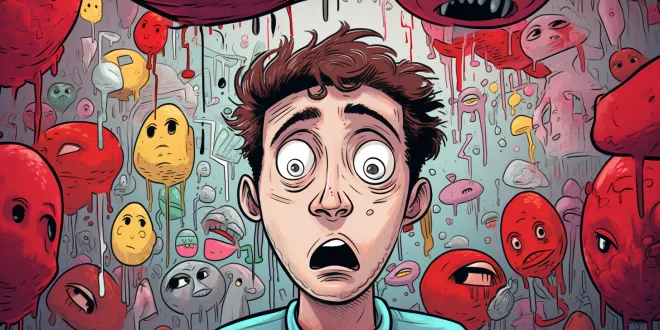
Anxiety in Children and Adolescents: Symptoms, Causes, and Strategies
Understanding anxiety in children and adolescents is essential for early intervention and effective management. Learn about symptoms, causes, and strategies to support young people with anxiety.
Table of contents
Introduction
Anxiety disorders in young people are becoming increasingly recognized as a significant mental health concern. These disorders can profoundly impact children's and adolescents' daily lives, affecting their emotional well-being, academic performance, and social relationships. Understanding anxiety in children and adolescents is crucial for early detection and effective intervention, helping them lead healthier and more fulfilling lives.
Overview of Anxiety Disorders in Young People
Anxiety disorders are among the most common mental health issues affecting young people. They include various conditions such as generalized anxiety disorder (GAD), social anxiety disorder, panic disorder, and specific phobias. These disorders can manifest differently in children and adolescents, often going unnoticed until they interfere with daily functioning. Early recognition of these disorders can significantly improve long-term outcomes by preventing the development of more severe mental health issues.
Importance of Early Detection and Intervention
Early detection and intervention are vital in managing anxiety disorders in children and adolescents. When these disorders are identified and treated early, young people have a better chance of developing effective coping mechanisms and resilience, reducing the risk of chronic anxiety into adulthood. Interventions can include therapeutic approaches, medication, and lifestyle changes tailored to the individual's needs. By addressing anxiety early, caregivers and mental health professionals can support the child's development, improving their overall quality of life and future prospects.

Understanding Symptoms: Identifying Signs and Symptoms of Anxiety in Children and Adolescents
Recognizing the symptoms of anxiety in young people is crucial for timely intervention. Symptoms can vary widely between children and adolescents and may manifest as physical, emotional, and behavioral changes. Understanding these symptoms is the first step in identifying and addressing anxiety disorders effectively.
Common Symptoms in Children
Children with anxiety often exhibit a range of symptoms that can be categorized into physical, emotional, and behavioral signs:
- Physical Signs: Children may experience frequent stomachaches, headaches, or a persistent sense of restlessness and agitation.
- Emotional Symptoms: Common emotional symptoms include irritability, excessive worry, and an intense fear of specific situations or events.
- Behavioral Changes: Anxiety in children can lead to avoidance behaviors, clinginess, and disturbances in sleep patterns, such as difficulty falling asleep or nightmares.
Symptoms in Adolescents
Adolescents may exhibit more complex symptoms of anxiety, including:
- Social Withdrawal: A noticeable decrease in social interaction and engagement in activities they once enjoyed.
- Changes in Academic Performance: Declining grades or a sudden lack of interest in schoolwork can be indicative of underlying anxiety issues.
- Panic Attacks and Phobias: Sudden, intense episodes of fear or phobias can emerge, accompanied by physical symptoms like a racing heart and shortness of breath.
- Substance Use and Self-Harming Behaviors: In some cases, adolescents may turn to substance use or self-harm as a coping mechanism for their anxiety.
Differentiating Normal Stress from Anxiety Disorders
It's important to distinguish between normal stress and anxiety disorders in young people. While stress is a common and often transient response to challenging situations, anxiety disorders are characterized by persistent, excessive worry and fear that interferes with daily functioning. Anxiety disorders may require professional intervention, while normal stress can often be managed with healthy coping strategies and support.
Causes and Risk Factors: What Causes Anxiety in Children and Adolescents?
Understanding the causes and risk factors of anxiety in children and adolescents is key to prevention and intervention. These factors can be biological, psychological, or environmental, often interacting in complex ways to contribute to the development of anxiety disorders.
Genetic Predisposition and Family History
Anxiety disorders often have a familial pattern, suggesting a genetic influence. Children with a family history of anxiety or other mental health disorders are at a higher risk of developing anxiety themselves. This predisposition can be influenced by inherited traits that affect brain chemistry and functioning.
Brain Chemistry and Developmental Factors
The chemistry of the brain is crucial in the development of anxiety disorders. Imbalances in neurotransmitters such as serotonin and dopamine can contribute to anxiety symptoms. Additionally, developmental factors, such as changes in brain structure during adolescence, can influence anxiety levels.
Environmental Influences
Environmental factors are critical in shaping a child's anxiety levels. Key influences include:
- Parenting Styles and Family Dynamics: Overprotective or highly critical parenting can contribute to anxiety in children.
- School Environment and Peer Relationships: Bullying, academic pressure, and peer rejection can all exacerbate anxiety symptoms.
- Traumatic Events and Chronic Stress: Exposure to traumatic events or ongoing stress, such as family conflict or financial instability, can increase the risk of anxiety disorders.
Social and Cultural Influences
Social and cultural factors also play a role in anxiety disorders:
- Impact of Social Media and Technology: The constant connectivity and comparison facilitated by social media can contribute to anxiety and self-esteem issues in young people.
- Societal Expectations and Academic Pressure: The pressure to succeed academically and socially can create significant stress and anxiety in children and adolescents.
Diagnosis and Assessment
Accurate diagnosis and assessment of anxiety disorders in young people are crucial for effective treatment. This process involves a thorough evaluation by mental health professionals, using various tools and questionnaires to identify and understand the nature and extent of the anxiety.
Evaluating Anxiety Disorders in Young People
Evaluation involves a comprehensive assessment of the child's emotional, behavioral, and physical symptoms. Mental health professionals may conduct interviews with the child and their parents, review medical and family history, and observe the child's interactions and behaviors in different settings.
Role of Mental Health Professionals
Mental health professionals, such as psychologists, psychiatrists, and counselors, play a critical role in diagnosing and treating anxiety disorders. They use their expertise to differentiate between normal developmental challenges and clinically significant anxiety disorders, ensuring appropriate intervention strategies are implemented.
Tools and Questionnaires for Assessment
Various standardized tools and questionnaires are used to assess anxiety levels in children and adolescents. These may include the Screen for Child Anxiety Related Emotional Disorders (SCARED), the Child Behavior Checklist (CBCL), and the Revised Children's Anxiety and Depression Scale (RCADS). These tools help clinicians evaluate anxiety symptoms and monitor treatment progress over time.
Treatment and Management Strategies
Effective treatment and management of anxiety in children and adolescents involve a combination of therapeutic approaches, medication, and lifestyle changes. The goal is to help young people develop coping skills, reduce symptoms, and improve their overall well-being.
Therapeutic Approaches
Therapeutic interventions are the cornerstone of anxiety treatment for young people:
- Cognitive Behavioral Therapy (CBT): CBT is an evidence-based approach that helps children and adolescents identify and change negative thought patterns and behaviors associated with anxiety.
- Family Therapy and Parental Involvement: Involving families in the therapeutic process can enhance treatment effectiveness, as parents learn strategies to support their child's mental health.
Medication Options and Considerations
Medication is sometimes recommended to help control anxiety symptoms. Selective serotonin reuptake inhibitors (SSRIs) and other medications can be effective, particularly when used in conjunction with therapy. However, medication should be carefully considered and monitored by a healthcare professional to ensure safety and effectiveness.
Lifestyle Changes and Coping Strategies
Encouraging healthy lifestyle changes can support anxiety management. Regular physical activity, a balanced diet, adequate sleep, and stress reduction techniques such as mindfulness and relaxation exercises can all contribute to improved mental health in children and adolescents.

Supporting Children and Adolescents with Anxiety
Providing ongoing support and encouragement is crucial for children and adolescents with anxiety. Building resilience, fostering self-esteem, and creating supportive environments can significantly impact their ability to manage anxiety effectively.
Building Resilience and Self-Esteem
Encouraging children and adolescents to develop resilience and self-esteem can help them cope with anxiety more effectively. This can be achieved through positive reinforcement, setting realistic goals, and encouraging problem-solving skills and independence.
Creating a Supportive Home and School Environment
A supportive environment at home and school is vital for managing anxiety. Parents and educators can collaborate to provide a consistent and nurturing environment that fosters a sense of safety and stability for young people. Open communication and understanding can help children feel supported and understood.
Encouraging Healthy Habits and Stress Management Techniques
Encouraging healthy habits and teaching stress management techniques can empower children and adolescents to manage anxiety effectively. This includes promoting regular exercise, a balanced diet, sufficient sleep, and mindfulness practices. Teaching young people to recognize their stress triggers and develop personalized coping strategies can significantly enhance their ability to navigate challenging situations.
Conclusion
Understanding anxiety in children and adolescents is crucial for early intervention and effective management. By recognizing symptoms, identifying risk factors, and implementing appropriate treatment strategies, caregivers and professionals can support young people in overcoming anxiety and improving their overall quality of life.
Recap of Key Points on Childhood and Adolescent Anxiety
Anxiety disorders in young people can have significant impacts on their emotional, social, and academic development. Early recognition and intervention are essential for effective management, helping young people develop resilience and coping skills that will benefit them throughout their lives. Key points include understanding the symptoms of anxiety, identifying potential causes and risk factors, and employing a range of treatment strategies to support recovery and resilience.
Importance of Ongoing Support and Monitoring
Ongoing support and monitoring are crucial in managing anxiety disorders in children and adolescents. Consistent follow-up with healthcare professionals, parents, and educators can ensure that young people receive the support they need. Regular monitoring can help identify any changes in symptoms or the need for adjustments in treatment plans. Building a strong support network around children and adolescents can help them feel safe and understood, promoting long-term well-being and success.
Resources for Further Information and Help
There are numerous resources available for those seeking further information on childhood and adolescent anxiety. Mental health professionals, support groups, and educational materials can provide valuable insights and guidance. Accessing these resources can help caregivers and professionals better understand and address the unique needs of young people struggling with anxiety disorders.
FAQs
Common anxiety disorders in young people include generalized anxiety disorder (GAD), social anxiety disorder, panic disorder, and specific phobias. These disorders can manifest differently, with symptoms ranging from persistent worry and fear to physical symptoms like stomachaches and headaches.
Parents can support a child with anxiety by creating a supportive home environment, encouraging open communication, and helping the child develop coping strategies. It is also important for parents to seek professional help when needed and to work closely with mental health professionals to ensure effective treatment and management.
Professional help should be sought when a child's anxiety significantly interferes with their daily life, including their ability to attend school, maintain relationships, or participate in activities they once enjoyed. If anxiety symptoms persist for an extended period or worsen over time, consulting a mental health professional is advisable.
Schools play a vital role in managing anxiety in students by providing a supportive environment, implementing mental health programs, and offering resources such as counseling services. Educators can also work with parents and mental health professionals to support students struggling with anxiety.
Lifestyle changes such as regular physical activity, a balanced diet, adequate sleep, and stress-reduction techniques like mindfulness and relaxation exercises can help reduce anxiety symptoms in young people. Encouraging healthy habits and teaching coping strategies can empower children and adolescents to manage anxiety effectively.
Cognitive Behavioral Therapy (CBT) is a widely used therapeutic approach that helps individuals identify and change negative thought patterns and behaviors associated with anxiety. CBT is effective in reducing anxiety symptoms in children and adolescents by teaching them coping skills and strategies to manage stress and fear.
Yes, medication can be used to treat anxiety in children and adolescents, particularly when symptoms are severe or when therapy alone is insufficient. Selective serotonin reuptake inhibitors (SSRIs) are commonly prescribed, but medication should be considered carefully and monitored by a healthcare professional.
Social media and technology can contribute to anxiety in young people by promoting constant connectivity, comparison, and exposure to unrealistic expectations. It is important for parents and educators to guide young people in using technology mindfully and setting healthy boundaries to reduce anxiety levels.
Signs of anxiety in adolescents include social withdrawal, changes in academic performance, panic attacks, phobias, and substance use or self-harming behaviors. These symptoms can indicate underlying anxiety issues and may require professional assessment and intervention.
Cultural factors can influence anxiety in young people through societal expectations, academic pressure, and the impact of social norms. Understanding these influences is important for developing culturally sensitive approaches to managing anxiety and providing effective support.