Unveiling Anxiety Disorders: Types, Signs & Help
Anxiety Disorders are a complex and multifaceted group of mental health conditions that affect millions worldwide. This blog offers an in-depth look at the common types of anxiety disorders, their symptoms, and the latest treatments and coping strategies. Join us as we navigate the nuances of these disorders, providing valuable insights for those affected and their loved ones.
Table of contents
- Introduction to Anxiety Disorders
- The Spectrum of Anxiety Disorders
- Generalized Anxiety Disorder (GAD)
- Panic Disorder
- Social Anxiety Disorder
- Obsessive-Compulsive Disorder (OCD) and Anxiety
- Specific and Complex Phobias
- Post-Traumatic Stress Disorder (PTSD)
- Diagnosing Anxiety Disorders
- Treatment and Therapy Options
- Lifestyle and Anxiety Management
- Understanding and Supporting Others with Anxiety
- Future Directions in Anxiety Research
- Embracing a Holistic Approach to Anxiety Management
- FAQs
Introduction to Anxiety Disorders
Anxiety: it's a word we hear often, but what does it truly mean, especially when it comes to our mental health? In today's fast-paced world, understanding anxiety disorders is not just a matter of academic interest; it's a crucial step towards mental well-being. This section will unpack the concept of anxiety disorders, offering insights into their nature and significance in our daily lives.
Defining Anxiety Disorders
Anxiety disorders go beyond mere stress or worry. At their core, they are a group of mental health conditions characterized by excessive and persistent worry, fear, and anxiety. Such feelings are enduring, not transient, and profoundly affect daily life and activities.
But what sets anxiety disorders apart from the normal ebb and flow of everyday worries? It's their intensity and persistence. The overwhelming nature of these disorders often makes it challenging for people to manage their anxiety. They often come with physical symptoms too, like rapid heartbeat, sweating, or feeling constantly on edge.
Anxiety disorders come in various forms, each distinct in its characteristics. Generalized Anxiety Disorder (GAD) is marked by chronic anxiety, exaggerated worry, and tension, often with no apparent reason. Panic Disorder is characterized by sudden, intense episodes of fear, while Social Anxiety Disorder involves overwhelming worry and self-consciousness about everyday social situations.
Understanding these disorders is the first step in recognizing the struggles faced by those who live with them. It's essential to remember that anxiety disorders are not a sign of personal weakness or a character flaw. They are serious medical conditions that require understanding, treatment, and compassion.
Importance of Understanding Anxiety
Why is it important to understand anxiety disorders? They are more prevalent than commonly assumed, affecting millions globally every day. By understanding anxiety disorders, we can begin to break down the stigma associated with them, paving the way for more people to seek help and support.
Knowing about anxiety disorders also helps us to be more empathetic towards those who suffer from them. This can alter our interactions with friends, relatives, or coworkers who are facing difficulties. Instead of dismissing their feelings, we can offer a listening ear, a supportive shoulder, and the encouragement to seek professional help.
Moreover, developing an in-depth understanding of anxiety disorders can offer resilience and aid to those affected. It can provide them with the knowledge that they are not alone, that what they are experiencing is a recognized medical condition, and that help is available. This understanding can be a critical first step in the journey towards healing and recovery.
In the following sections, we will delve deeper into the different types of anxiety disorders, their symptoms, and the available treatment options. Join us as we venture deeper into the complex world of anxiety disorders, offering insightful information and advice to grasp and address these challenges.
The Spectrum of Anxiety Disorders
Anxiety disorders are complex and multifaceted, extending well beyond typical anxiety or stress. This section aims to explore the diverse spectrum of anxiety disorders, shedding light on how they differ and interconnect. Navigating through this landscape, our goal is to deepen the understanding of each disorder, highlighting their specific characteristics and how they impact individuals.
A Broad Look at Anxiety Disorders
Discussing anxiety disorders means exploring a spectrum, not a uniform condition. It's more like a spectrum, with various forms that affect people differently. Understanding this spectrum is crucial because it helps us recognize and empathize with the diverse experiences of those living with anxiety. In this part, we'll explore the extensive array of anxiety disorders, providing a clearer insight into this multifaceted mental health issue.
Different Faces of Anxiety
Anxiety disorders are multifaceted. They vary from Generalized Anxiety Disorder (GAD), marked by persistent and excessive concern over daily activities, to more particular conditions such as Panic Disorder and Social Anxiety Disorder. Each type has its unique set of symptoms, but they all share the common thread of persistent and excessive worry.
- Generalized Anxiety Disorder (GAD): Individuals with GAD find themselves constantly worrying about different aspects of daily life, often expecting the worst even when there's no apparent reason for concern. This perpetual worry can be incapacitating, often hindering concentration, relaxation, or at times, the ability to make straightforward decisions.
- Panic Disorder: This disorder is marked by recurrent, unexpected panic attacks – sudden periods of intense fear or discomfort that peak within minutes. These attacks can come out of the blue or be triggered by specific situations. Symptoms during an attack include heart palpitations, sweating, trembling, and feelings of impending doom.
- Social Anxiety Disorder: Also known as social phobia, this involves an intense fear of social situations where one might be judged or scrutinized. It's not just shyness; it's an overwhelming fear that can prevent individuals from participating in everyday activities, like going to work or interacting with friends.
Each of these disorders manifests anxiety in different ways, affecting individuals' lives to varying extents. Understanding these differences is vital in recognizing and addressing the specific needs of those affected.
Recognizing the Unique Nature of Anxiety Disorders
It is crucial to recognize that anxiety is more than just experiencing nervousness or stress. In the context of these disorders, it's a more pervasive and persistent condition that can have a significant impact on a person's quality of life. Each type of anxiety disorder has its own set of challenges, making it important to approach them with a tailored perspective.
For instance, someone with GAD may benefit from therapies that focus on managing day-to-day worries, while someone with Panic Disorder might need help in dealing with sudden episodes of intense fear. Social Anxiety Disorder, on the other hand, requires an approach that addresses the fear of social interactions.
Understanding the spectrum of anxiety disorders helps in creating awareness and empathy. It also guides those affected towards seeking the most appropriate form of help. As we continue to explore these conditions, remember that each person's experience with anxiety is unique, and their journey towards managing it is personal.
Generalized Anxiety Disorder (GAD)
Imagine a constant buzz of worry in your mind, about everything from health and finances to day-to-day tasks. This describes the reality for individuals living with Generalized Anxiety Disorder (GAD). In this part, we delve into the realm of GAD, exploring its hallmark feature of persistent, excessive worry. Understanding the nuances of GAD is crucial in distinguishing it from normal stress and in providing appropriate support and treatment to those affected.
Symptoms and Characteristics of GAD
Generalized Anxiety Disorder (GAD) involves persistent and intense anxiety over a range of subjects, occurrences, or actions. It's more than just feeling anxious; it's an ongoing state of anxiety that persists for months and can interfere with daily life. Let’s break down the key symptoms and characteristics of GAD.
People with GAD often find themselves overly concerned about health, work, social interactions, and routine life circumstances. They anticipate disaster and may worry excessively about money, health, family, or work, even when there are no signs of trouble. Their worries are often unrealistic or out of proportion for the situation.
Physical symptoms are also a significant part of GAD. They can include restlessness or feeling wound-up or on edge, being easily fatigued, having difficulty concentrating or mind going blank, irritability, muscle tension, and sleep disturbance, such as difficulty falling or staying asleep or restless, unsatisfying sleep.
Managing GAD
Living with GAD can be challenging, but there are effective ways to manage the symptoms. Cognitive Behavioral Therapy (CBT) is often very effective. This therapy teaches people to recognize and change thought patterns and behaviors that lead to troublesome feelings. Lifestyle changes can also be beneficial, including regular physical activity, adequate sleep, maintaining a balanced diet, and limiting caffeine and alcohol consumption.
Relaxation techniques such as meditation, deep breathing exercises, and mindfulness can help manage the physical symptoms of anxiety. Building a strong support network, whether through friends, family, or support groups, can also provide emotional support.

Panic Disorder
Panic Disorder, distinct in the anxiety realm, is marked by unexpected, severe fear episodes or panic attacks. This exploration delves into living with Panic Disorder, the essence of panic attacks, and their significant effects on life. We aim to clarify Panic Disorder, shedding light on its signs, causes, and strategies to manage and conquer these intense fears.
Understanding Panic Attacks
Panic Disorder is characterized by unexpected and repeated episodes of intense fear, known as panic attacks, which can last for several minutes or more. During a panic attack, individuals may feel a loss of control and an intense fear of dying or losing their sanity. Physical symptoms include heart palpitations, chest pain, dizziness, shortness of breath, and stomach upset.
Panic attacks can occur at any time, and the fear of experiencing another attack can be debilitating. Understanding these attacks is the first step in managing them. While panic attacks can be alarming, it's crucial to understand they pose no physical threat.
Treatment Approaches
Treating Panic Disorder often involves a combination of therapy and medication. Cognitive Behavioral Therapy is effective, helping individuals understand the patterns and triggers of their panic attacks. Exposure therapy, a branch of CBT, entails gradually facing panic sensations in a controlled setting, reducing the anxiety linked to these experiences.
Medications, such as selective serotonin reuptake inhibitors (SSRIs), can be used to reduce the frequency and intensity of panic attacks. Implementing lifestyle modifications like consistent physical activity, sufficient rest, and reducing caffeine and alcohol consumption can help manage symptoms.
Seeking professional guidance is vital for those with Panic Disorder. Seeking professional assistance is crucial for those suffering from Panic Disorder. With the right treatment plan, many people can manage or overcome their panic attacks and regain control of their lives.

Social Anxiety Disorder
Social Anxiety Disorder, often unnoticed, transcends simple shyness. It’s a complex disorder characterized by intense fear in social situations, where individuals feel scrutinized and excessively worried about being judged negatively. This section aims to unpack the layers of Social Anxiety Disorder, from its core challenges to the strategies for managing it.
Challenges in Social Situations
Daily social interactions can seem overwhelmingly challenging for individuals with Social Anxiety Disorder. The prospect of speaking publicly, meeting strangers, or attending social functions can evoke profound anxiety in these individuals. This can lead to avoidance of social situations, impacting personal relationships and professional opportunities.
Common symptoms include acute fear before social interactions, intense concern over potential embarrassment, fear of scrutiny, and physical signs like blushing, sweating, or a racing heart. The fear is disproportionate to the actual threat posed by the social situation and is often recognized by the individual as being irrational.
Coping Mechanisms and Support
Managing Social Anxiety Disorder involves a combination of therapy, lifestyle changes, and support. Cognitive Behavioral Therapy (CBT) is particularly effective, as it helps individuals challenge and change their thought patterns and behaviors related to social anxiety. Progressive exposure to challenging social scenarios, with professional support, can be effective.
Support from friends and family is crucial. Being in a non-judgmental environment where one feels safe to share their struggles can make a significant difference. Additionally, joining support groups where individuals can connect with others facing similar challenges can be empowering.
Lifestyle changes, such as regular exercise, sufficient sleep, and mindfulness practices like meditation, can also help manage symptoms. It’s about finding a balance and creating a supportive environment that encourages gradual progress in facing social fears.
Obsessive-Compulsive Disorder (OCD) and Anxiety
Obsessive-Compulsive Disorder (OCD) is a complex mental health condition that often coexists with anxiety. It's characterized by unwanted, persistent thoughts (obsessions) and repetitive behaviors (compulsions) performed to alleviate these thoughts. This section aims to explore the intricate relationship between OCD and anxiety, shedding light on how they intertwine and affect those who struggle with these conditions.
OCD Symptoms Related to Anxiety
The obsessions in OCD are intrusive and often cause significant anxiety and distress. Common obsessions include fears of contamination, causing harm, or the need for symmetry. These obsessions typically trigger anxiety, leading to compulsive behaviors in an attempt to relieve the distress.
Compulsions involve engaging in repeated actions or mental practices driven by a perceived necessity. These can include excessive hand washing, checking things repeatedly, or mental acts like counting or praying. While these actions might provide temporary relief from anxiety, the cycle of obsession and compulsion can be all-consuming and interfere significantly with daily life.
The anxiety experienced in OCD is unique because it's directly linked to the obsessions. This anxiety is more than just worry; it's a profound fear that something terrible will happen if the compulsive rituals are not performed. This can be paralyzing, leading to a severe impact on an individual’s quality of life.
Treatment and Management
Fortunately, OCD and related anxiety symptoms can be managed. Typically, treatment comprises both medication and therapeutic interventions. Selective serotonin reuptake inhibitors (SSRIs) are commonly prescribed to help reduce the symptoms of OCD.
Cognitive Behavioral Therapy (CBT), specifically Exposure and Response Prevention (ERP), is considered the most effective therapy for OCD. Exposure and Response Prevention (ERP) is characterized by incremental exposure to the focus of the obsession while refraining from compulsive actions. This helps reduce anxiety over time and teaches coping mechanisms to manage obsessions.
Apart from professional treatment, self-help strategies can also be beneficial. These include practicing relaxation techniques, such as deep breathing and mindfulness meditation, staying physically active, and maintaining a healthy routine. Building a strong support network is also crucial. Encouragement and empathy from close ones are vital in overcoming the hurdles presented by OCD.
Dealing with OCD and anxiety is challenging, yet proper treatment and support can enable individuals to control their symptoms and enjoy a rewarding life. Understanding these conditions is the first step toward empathy and effective support for those affected.

Specific and Complex Phobias
Phobias are a type of anxiety disorder marked by an intense, irrational fear of specific objects, situations, or activities. Unlike general anxiety disorders, phobias are often linked to something specific. This section delves into the nature of phobias, understanding their complexity and impact on individuals’ lives.
Common Phobias
Some of the most common phobias include arachnophobia (fear of spiders), acrophobia (fear of heights), and claustrophobia (fear of confined spaces). Each phobia has its unique triggers and symptoms, which can range from mild feelings of discomfort to full-blown panic attacks.
Comprehending these phobias is crucial to acknowledge their potential to drastically limit an individual's lifestyle. Take aerophobia (fear of flying), for instance, where a person may shun holiday travel or job opportunities involving flying, thus greatly affecting both their personal and career development.
Overcoming Phobias
The good news is that phobias are treatable. Exposure therapy, an effective CBT method, involves slowly facing the source of fear in a managed setting, helping to diminish and control the fear response. Relaxation and breathing techniques are also useful in managing the physical symptoms of anxiety.
Self-managed approaches, like learning about the phobia, engaging in mindfulness exercises, and establishing a support system, can enhance professional therapy. Overcoming a phobia is a gradual process, and it's important for individuals to go at their own pace and celebrate small victories along the way.
Post-Traumatic Stress Disorder (PTSD)
Post-Traumatic Stress Disorder (PTSD) is a mental health condition triggered by firsthand experience or observation of traumatic events. Often associated with veterans, PTSD can affect anyone who has been through a traumatic experience. This section aims to provide a deeper understanding of PTSD, highlighting its nature as an anxiety disorder and exploring the therapeutic interventions available.
PTSD as an Anxiety Disorder
PTSD is fundamentally an anxiety disorder, where the anxiety stems from memories of traumatic experiences. Those with PTSD may have intense, disturbing thoughts and feelings related to their experience that last long after the traumatic event has ended. Individuals might re-experience the trauma via flashbacks or nightmares, encounter feelings of sadness, fear, anger, and find themselves disconnected or isolated from others.
Individuals with PTSD might shun scenarios or people linked to the trauma, often exhibiting intense negative reactions to common stimuli like loud sounds or an accidental touch. This condition is more than just being stressed or upset; it's a severe and ongoing emotional reaction to an extreme psychological trauma.
Therapeutic Interventions
The treatment of PTSD is multifaceted, often involving a combination of psychotherapy and medication. Cognitive Behavioral Therapy (CBT) is particularly effective. It includes techniques like cognitive processing therapy and prolonged exposure therapy, which help patients understand and change how they think about their trauma and its aftermath.
Eye Movement Desensitization and Reprocessing (EMDR) represents an alternative effective therapy method. It involves processing the trauma in a safe, controlled environment, reducing the distressing memories associated with the traumatic event. To alleviate symptoms of PTSD, medications such as SSRIs and SNRIs are commonly prescribed.
Apart from professional treatment, self-care plays a crucial role in managing PTSD. This includes establishing a routine, engaging in physical activity, getting adequate rest, and practicing relaxation techniques. Support from family members and friends is vital in lessening PTSD's psychological toll.
PTSD is a complex anxiety disorder that requires a compassionate and comprehensive treatment approach. Understanding the essence of this disorder is vital in offering meaningful assistance to those dealing with its consequences. With appropriate treatment and support, individuals with PTSD can regain control over their lives and embark on the journey towards healing.
Diagnosing Anxiety Disorders
Diagnosing anxiety disorders is a crucial step in managing and treating them effectively. It's not always straightforward, as symptoms can vary widely and may overlap with other mental health conditions. This section aims to explore the process of diagnosing anxiety disorders, emphasizing the role of professional assessment and the importance of self-awareness.
Professional Diagnosis
The diagnosis of an anxiety disorder typically begins with a comprehensive evaluation by a mental health professional. This evaluation includes a detailed discussion of symptoms, a medical history review, and often, a physical examination to rule out other conditions that might be causing the symptoms.
Mental health professionals depend on the specific guidelines provided in the Diagnostic and Statistical Manual of Mental Disorders (DSM-5) to identify anxiety disorders. They assess the nature, duration, and intensity of symptoms, and whether they cause significant distress or impairment in social, occupational, or other important areas of functioning. This process is essential as it ensures that the diagnosis is accurate and that the treatment plan is tailored to the individual’s specific needs.
Self-Assessment and Awareness
While professional diagnosis is key, self-assessment and awareness can also play a vital role. Recognizing the signs and symptoms of an anxiety disorder in oneself can be the first step towards seeking help. This might involve monitoring and reflecting on one's thoughts, feelings, and behaviors, and noting any patterns that indicate anxiety.
Self-awareness can also help in understanding how anxiety impacts daily life and in communicating effectively with healthcare providers. However, it’s important to remember that self-assessment is not a substitute for professional evaluation. If anxiety symptoms are noticed, it’s advisable to consult a healthcare provider for a proper diagnosis.
Treatment and Therapy Options
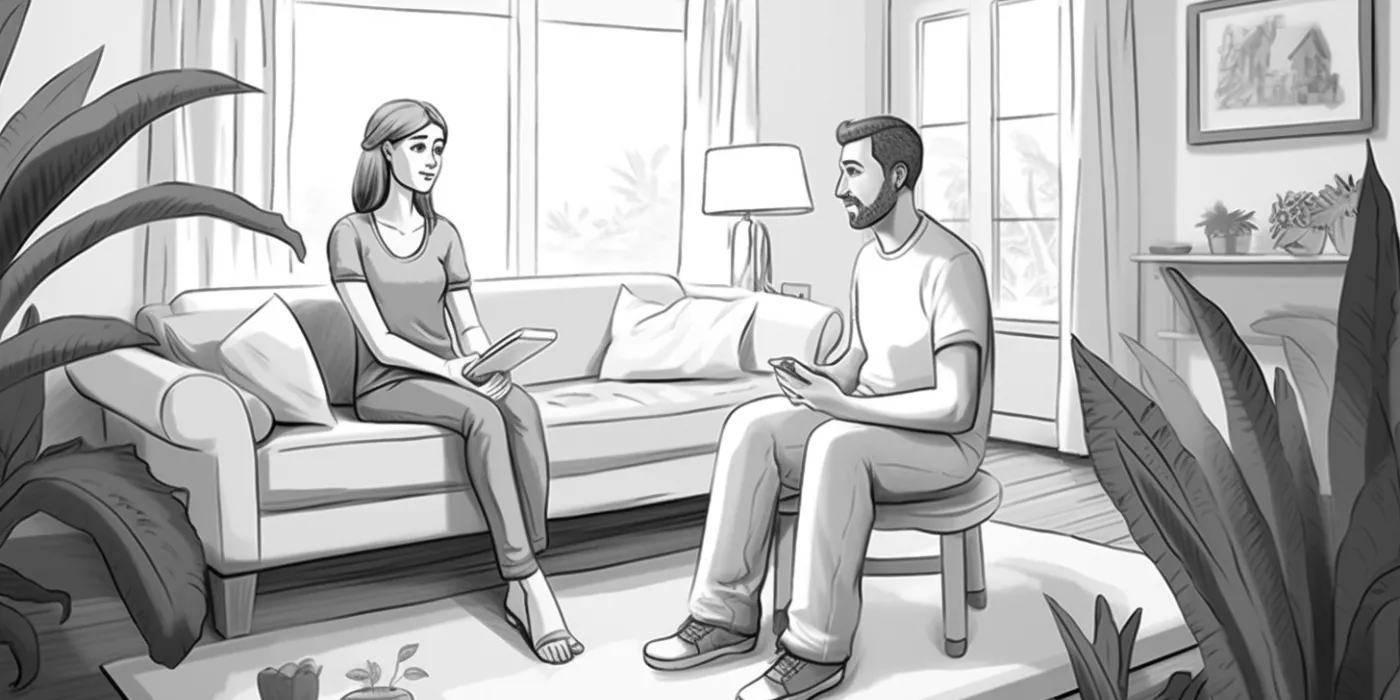
Following the diagnosis of an anxiety disorder, initiating appropriate treatment is the subsequent essential step. Multiple effective therapies exist, customizable to address personal requirements. This section outlines the main treatment options, including medication, psychotherapy, and alternative therapies.
Medication and Psychotherapy
Medications, such as antidepressants and anti-anxiety medications, can be effective in treating anxiety disorders. They work by affecting the brain chemicals that may be involved in anxiety. It’s important to understand that medication may take several weeks to become fully effective and may come with side effects.
Psychotherapy, especially Cognitive Behavioral Therapy (CBT), is another cornerstone of anxiety disorder treatment. CBT helps individuals identify, understand, and change thinking and behavior patterns. It equips them with strategies to manage symptoms and cope with stress and anxiety more effectively.
Alternative and Complementary Therapies
Beyond traditional medication and psychotherapy, a variety of alternative and complementary therapies can aid in the treatment process for anxiety disorders. These include mindfulness meditation, yoga, acupuncture, and herbal supplements. While alternative therapies offer benefits, they are intended to enhance, not replace, traditional treatments.
It’s essential for individuals to work closely with their healthcare provider to find the most effective treatment plan. With the right combination of therapies, many people with anxiety disorders can lead productive, fulfilling lives.
Lifestyle and Anxiety Management
Successful management of anxiety involves more than just medical treatments, including a comprehensive approach that incorporates lifestyle modifications. This section focuses on how everyday habits, diet, and exercise play a pivotal role in mitigating anxiety symptoms, empowering individuals to take proactive steps in their mental health journey.
Daily Habits for Reducing Anxiety
The foundation of anxiety management lies in establishing routines and habits that foster a sense of calm and control. Simple practices like maintaining a consistent sleep schedule, dedicating time for relaxation, and engaging in regular mindfulness activities like meditation or deep breathing exercises can significantly reduce anxiety levels.
Creating a structured daily routine helps in providing predictability and a sense of normalcy. Activities such as journaling or engaging in creative hobbies like painting or playing music can also be therapeutic, offering an outlet for expressing feelings and reducing stress.
The Role of Diet and Exercise
Nutrition plays a crucial role in mental health. A balanced diet rich in fruits, vegetables, whole grains, lean protein, and omega-3 fatty acids can positively impact mood and reduce symptoms of anxiety.
Reducing or avoiding caffeine and alcohol is crucial as they can intensify anxiety symptoms. Regular exercise plays a pivotal role in anxiety control, thanks to its ability to trigger endorphin release, thereby uplifting mood and overall well-being. Engaging in activities such as brisk walking, jogging, swimming, or yoga benefits not just physical fitness but also aids in alleviating stress and anxiety.
Understanding and Supporting Others with Anxiety
Providing support to someone with anxiety involves demonstrating understanding, patience, and empathy. This segment focuses on providing guidance on effective assistance and establishing a support network, which can have a substantial impact on individuals struggling with anxiety disorders.
How to Offer Help
When offering help to someone with anxiety, it’s essential to listen without judgment and show genuine concern and empathy. Encouraging individuals to openly share their feelings and experiences is preferable to oversimplifying or dismissing their emotions. Providing a safe and understanding space can be incredibly comforting.
It's also helpful to educate oneself about anxiety disorders to better understand what the person is going through. This knowledge can guide in offering appropriate support, whether it's accompanying them to therapy sessions or helping them find reliable information and resources.
Building a Support Network
Building a support network for an individual with anxiety may include linking them to local groups or online forums where they can exchange experiences and coping methods with others encountering similar issues. Being part of a community can reduce feelings of isolation and provide practical insights into managing anxiety.
Family and friends can play an integral role in this support network. Fostering open dialogue, providing steady support, and exercising patience are essential components. Remember, the journey to managing anxiety is often gradual, and having a strong support network can make a substantial difference.
Future Directions in Anxiety Research
The field of anxiety research is continually evolving, with new discoveries and innovations offering hope and improved outcomes for those affected by anxiety disorders. This section aims to shed light on the emerging treatments and the evolving understanding of anxiety disorders, underscoring the dynamic nature of mental health research.
Emerging Treatments
Recent advancements in anxiety research are paving the way for more effective and personalized treatment options. Among the most promising developments is the application of digital technologies, like mobile applications and virtual reality (VR), in administering cognitive-behavioral therapies. These tools make treatment more accessible and can be tailored to individual needs.
Additionally, the investigation of genetic and biological indicators that may forecast a person's reaction to certain treatments is an exciting advancement. The precision medicine approach holds the potential for a revolutionary shift in the treatment of anxiety disorders, customizing therapies to match each individual's genetic profile.
Additionally, there is increasing interest in alternative treatments, such as mindfulness-based stress reduction (MBSR) and the therapeutic use of psychedelics under controlled conditions, which have shown promising results in reducing anxiety symptoms.
The Evolving Understanding of Anxiety Disorders
As research continues, our understanding of anxiety disorders is becoming more nuanced. Increasingly, the influence of environmental elements, like trauma and stress, in the emergence of anxiety disorders is being acknowledged. This holistic view is leading to a more integrated approach to treatment that addresses both biological and environmental factors.
Researchers are also exploring the neurobiological mechanisms underlying anxiety disorders. Research delving into the influence of brain structure and functionality on anxiety disorders opens avenues for innovative treatments targeting these cerebral elements.
Embracing a Holistic Approach to Anxiety Management
As we conclude this exploration into the world of anxiety disorders, several key points stand out. First, it’s clear that anxiety disorders are complex conditions with various manifestations, affecting individuals differently. The importance of accurate diagnosis and personalized treatment cannot be overstated.
The developing treatments and continuous research in the field of anxiety disorders provide optimism and indicate a future where these conditions can be handled more proficiently. The integration of technology in therapy, the potential of precision medicine, and the exploration of new treatment modalities are exciting developments in this field.
Ultimately, the essential demand for an exhaustive, holistic approach to mental health care is evident. This includes not only medical treatments but also lifestyle changes, support networks, and a broader societal understanding and acceptance of mental health challenges.
Encouraging a proactive approach to mental health, where individuals feel empowered to seek help and support, and where mental health is given the same priority as physical health, is essential. Together, by continuing to learn, adapt, and support each other, we can make significant strides in managing anxiety disorders and enhancing overall mental wellbeing.