Arthritis Pain: Causes, Symptoms & Treatment
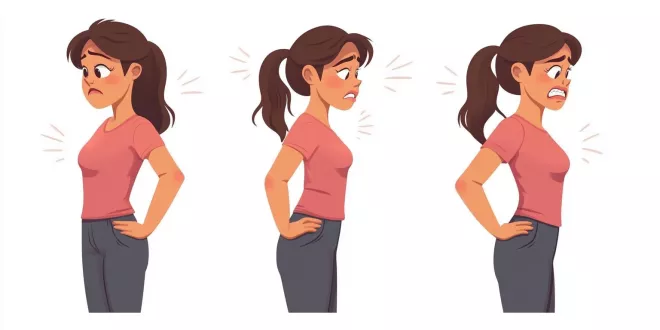
Arthritis Pain in Feet and Joints: Living with arthritis pain in feet and joints can be a challenging journey. Whether you wake up with that familiar ache or feel it intensifying after a long day, understanding its causes, symptoms, and treatment options can make a world of difference in managing your condition and improving your quality of life.
Introduction
Living with arthritis pain in feet and joints can be a challenging journey. Whether you wake up with that familiar ache or feel it intensifying after a long day, understanding its causes, symptoms, and treatment options can make a world of difference in managing your condition and improving your quality of life.
Understanding Arthritis Pain in Feet and Joints
Arthritis often results in discomfort and restricted movement, particularly in the feet and joints. This discomfort stems from inflammation in these areas, causing pain and swelling that can significantly limit mobility. It’s important to recognize the early signs and take proactive steps to address these symptoms.
How Joint Pain Affects Mobility and Daily Life
Joint pain from arthritis can seriously impact your daily activities. Even simple tasks like walking or standing for extended periods can become burdensome. The constant pain may lead to decreased activity levels, affecting your overall health and well-being. Therefore, it's crucial to find ways to manage and reduce these symptoms effectively.
Rheumatoid Arthritis and Other Causes of Joint Pain
Rheumatoid arthritis is one of the most common causes of joint pain. Understanding the specific causes and risk factors associated with this and other types of arthritis can aid in seeking appropriate treatment and minimizing the impact on your daily life.
Rheumatoid Arthritis Causes and Risk Factors
Rheumatoid arthritis (RA) is an autoimmune disorder where the body’s immune system attacks its own tissues. The exact cause is unknown, but it's believed to involve genetic, environmental, and hormonal factors. Risk factors include age, gender, family history, and smoking, each contributing to its onset and severity.
Common Symptoms of Joint Inflammation and Stiffness
The hallmark symptoms of arthritis include joint pain, stiffness, and swelling, often worse in the mornings. You might also notice warmth or redness around the joints and feel fatigued or feverish. These symptoms can vary in intensity and duration, affecting both physical and mental health.
When to Seek Medical Help for Chronic Joint Pain
If you experience joint pain that persists for more than a few days, it's crucial to consult a healthcare professional. Delaying medical evaluation can lead to further joint damage and affect your ability to perform daily tasks. Professional guidance can help manage symptoms and prevent long-term complications.
Understanding Gout and Its Symptoms
Gout is a type of arthritis characterized by sudden, severe attacks of pain, redness, and tenderness in the joints, often affecting the big toe. Recognizing the signs of gout and understanding its unique symptoms can aid in early diagnosis and management.
Signs of Gout: How to Identify This Painful Condition
Gout typically presents as intense joint pain starting suddenly, often at night. The affected joint may become swollen, hot, and tender, limiting mobility. Identifying gout early can help prevent recurring episodes and long-term joint damage.
Gout in Knee: Causes, Symptoms, and Treatments
When gout affects the knee, it causes sudden and severe pain. The condition results from high uric acid levels forming crystals in the joint. Treatment typically involves medications to reduce pain and inflammation, coupled with lifestyle changes to manage uric acid levels.
Gout in Ankle: Why It Happens and How to Manage It
The ankle is another common site for gout attacks, causing significant pain and mobility issues. Managing gout in the ankle involves anti-inflammatory medications, dietary adjustments, and increased water intake to reduce uric acid concentration in the blood.
Gout Pain Relief Strategies: Lifestyle and Medication Approaches
Effective management of gout pain includes a combination of medications and lifestyle modifications. Medicines such as NSAIDs, colchicine, and corticosteroids relieve pain, while a diet low in purines, adequate hydration, and regular exercise can help prevent flare-ups.
Hip and Leg Pain Associated with Arthritis
Arthritis affecting the hips and legs can be particularly debilitating. Understanding specific conditions like bursitis and hip flexor pain can aid in finding the right treatment strategies to alleviate discomfort and enhance mobility.
Bursitis Hip: Causes, Symptoms, and Treatments
Bursitis in the hip occurs when the bursae, small fluid-filled sacs that cushion bones, become inflamed. Causes include repetitive stress, injury, or arthritis. Symptoms include tenderness and pain, which may require rest, physical therapy, or medications to reduce inflammation.
Hip Flexor Pain: How It Relates to Arthritis and Overuse
Hip flexor pain often results from overuse, strain, or arthritis. It manifests as sharp or aching pain in the front of the hip. Incorporating stretching and strength exercises alongside avoiding excessive strain can provide relief and improve joint function.
Hip Bursitis Exercises for Pain Relief and Strengthening
Exercises for hip bursitis focus on stretching and strengthening the muscles around the hip joint. Low-impact exercises like swimming or cycling can maintain fitness without aggravating symptoms. Additionally, guided physical therapy can assist in recovering mobility and reducing pain.
Iliotibial Band Syndrome and Joint Pain Management
The iliotibial band (IT band) plays a crucial role in stabilizing the knee. When inflamed, it can cause significant discomfort and hinder movement. Identifying the symptoms and adopting effective management strategies can facilitate a more active lifestyle.
What is Iliotibial Band Syndrome?
Iliotibial Band Syndrome occurs when the IT band becomes tight or inflamed, causing pain on the outer side of the knee. This condition is common among runners and cyclists due to repetitive knee bending. Recognizing its signs early can help in preventing chronic pain.
IT Band Pain: Causes and Treatment Options
IT band pain is often caused by overuse. Rest, ice, and stretching are initial treatments, while strengthening exercises can help prevent recurrence. Physical therapy may also be recommended to correct any biomechanical imbalances contributing to the pain.
Stretching and Strengthening Exercises for IT Band Pain Relief
Effective management of IT band pain includes stretching routines that focus on flexibility and relaxation of the band. Strengthening the surrounding muscles can also help support the knee and reduce strain on the band, aiding in pain relief and prevention of future episodes.
Effective Treatment and Prevention Strategies
Managing arthritis pain in feet and joints involves a combination of approaches. These strategies aim to alleviate symptoms, prevent further damage, and improve overall joint health, enabling you to lead an active and fulfilling life.
Natural Remedies and Lifestyle Changes for Joint Pain
Incorporating natural remedies such as dietary supplements like Omega-3s, along with lifestyle changes such as exercise and maintaining a healthy weight, can significantly alleviate joint pain. Prioritizing gentle forms of exercise can enhance joint flexibility and strength.
Medications and Therapies for Arthritis Management
Various medications including NSAIDs, corticosteroids, and disease-modifying antirheumatic drugs (DMARDs) are available to manage arthritis pain. Complementary therapies like acupuncture and chiropractic care can also alleviate symptoms, providing a holistic approach to treatment.
Long-Term Strategies for Maintaining Joint Health
Consistent management through a combination of therapies, regular check-ups, and maintaining a balanced lifestyle ensures long-term joint health. Engaging in regular exercise, avoiding overstrain, and being mindful of your body's limitations can preserve joint function and enhance quality of life.
Conclusion
Arthritis pain in the feet and joints is a manageable condition with the right knowledge and tools. Understanding the causes, symptoms, and treatment options empowers you to take control of your health and maintain an active lifestyle.
Recap of Arthritis Pain in Feet and Joints
We’ve covered a range of topics related to arthritis, from common causes like rheumatoid arthritis and gout to specific conditions affecting the hips, knees, and IT bands. Armed with this information, you can explore various treatment and prevention strategies to manage your symptoms effectively.
Final Thoughts on Managing Joint Pain for a Better Quality of Life
Adopting a comprehensive management plan helps in reducing arthritis pain and enhancing your quality of life. Whether through medical treatment, lifestyle changes, or natural remedies, it’s possible to lead an active and healthy lifestyle despite living with arthritis.
FAQs
Arthritis pain in feet and joints is primarily caused by inflammation resulting from conditions such as rheumatoid arthritis, gout, and osteoarthritis.
Rheumatoid arthritis is an autoimmune disorder where the immune system attacks joint tissues, causing inflammation, pain, and swelling.
Gout in the ankle can be managed with medications such as NSAIDs, lifestyle changes like dietary adjustments, and adequate hydration to control uric acid levels.
If joint pain persists for more than a few days or intensifies, it's crucial to consult a healthcare professional to prevent further damage and receive proper treatment.
Natural remedies include omega-3 supplements, gentle exercises, maintaining a healthy weight, and a diet low in inflammatory foods.