Caloric Content: What Types of Calories Are There?
Understanding calories is essential for maintaining a healthy diet and lifestyle. Calories are a measurement of energy, and knowing where they come from helps us make informed dietary choices. This guide will explore the different types of calories and their roles in nutrition.
Introduction
Understanding calories is essential for maintaining a healthy diet and lifestyle. Calories are a measurement of energy, and knowing where they come from helps us make informed dietary choices. This guide will explore the different types of calories and their roles in nutrition.
Definition of Calories and Their Role in Nutrition
Our bodies rely on calories as energy units to power everything we do, from basic breathing to high-intensity activities like running. Every food item contains a certain number of calories, which indicates how much energy it provides. Consuming the right amount of calories is crucial for sustaining bodily functions and supporting growth and activity levels.
Importance of Understanding Caloric Sources
Not all calories are created equal. Different food sources provide varying types of calories, affecting our bodies in unique ways. Understanding the source of calories helps in crafting a balanced diet, avoiding excess weight gain, and ensuring optimal nutrition. Knowing the difference between calories from carbohydrates, proteins, and fats can guide healthier food choices and support overall well-being.
What Are Calories?
Calories are fundamental to our diet, but what exactly are they, and how do they impact our bodies? This section will delve into the nature of calories as energy units and their essential role in fueling our daily activities.
Explanation of Calories as Units of Energy
Calories measure the energy food provides. When we eat, our bodies convert food into energy, which powers our physical activities and metabolic processes. The calorie content in food helps us determine how much energy we can obtain from it, influencing our dietary decisions based on our energy needs.
How the Body Uses Calories for Fuel
Once consumed, calories are either used immediately for energy or stored for later use. The body breaks down carbohydrates, fats, and proteins into glucose, fatty acids, and amino acids, respectively. These are then used to generate ATP (adenosine triphosphate), the primary energy carrier in cells, which supports everything from muscle contraction to brain function.
Types of Calories Based on Food Sources
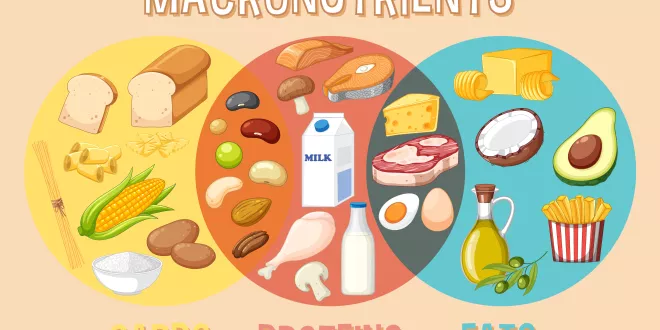
The caloric content of food varies significantly based on its macronutrient composition. Understanding these sources is vital for tailoring a diet that meets energy requirements and nutritional goals. Here, we explore calories from carbohydrates, proteins, and fats.
Overview of Macronutrients: Carbohydrates, Proteins, and Fats
Macronutrients serve as the primary sources of energy in our diet. Carbohydrates are the body's primary energy source, proteins are essential for building and repairing tissues, and fats provide energy and support cell structure. Each macronutrient contributes a different caloric value per gram: carbohydrates and proteins offer 4 calories per gram, while fats provide 9 calories per gram, making fats more energy-dense.

Carbohydrates
Carbohydrates are a major source of energy for the body, but not all carbs are the same. This section will discuss the difference between simple and complex carbohydrates and their effects on the body.
Simple vs. Complex Carbohydrates
We categorize carbohydrates into simple and complex forms depending on their chemical makeup. Simple carbohydrates, found in fruits and sugars, are quickly absorbed and provide immediate energy. Complex carbohydrates, found in whole grains and legumes, are digested more slowly, offering sustained energy. These differences impact how quickly blood sugar levels rise after eating.
Caloric Content and Energy Contribution
Carbohydrates provide 4 calories per gram. They are the preferred energy source for the brain and muscles, especially during high-intensity exercise. Including the right balance of carbohydrates in the diet ensures that energy levels are maintained throughout the day, supporting both mental and physical performance.
Impact on Blood Sugar and Energy Levels
Simple carbohydrates can cause rapid spikes in blood sugar levels, leading to quick bursts of energy followed by crashes. In contrast, complex carbohydrates provide more stable energy due to their slower digestion and absorption. Managing carbohydrate intake is crucial for maintaining steady energy levels and preventing insulin resistance over time.
Role of Fiber in Carbohydrate Consumption
Dietary fiber, a type of carbohydrate that the body cannot digest, plays a vital role in health. It helps regulate blood sugar levels, supports digestive health, and contributes to feelings of fullness, which can aid in weight management. Including high-fiber foods like vegetables, fruits, and whole grains is beneficial for overall health.

Proteins
Proteins are the building blocks of life, playing crucial roles in muscle development and metabolic processes. This section explores the significance of protein calories and their unique properties.
Caloric Content of Proteins
Just like carbohydrates, proteins offer 4 calories per gram. However, their primary function is not energy supply but tissue building and repair. Consuming adequate protein supports muscle maintenance, immune function, and the production of enzymes and hormones.
Amino Acids and Their Importance
Proteins are composed of amino acids, which are crucial for synthesizing new proteins in the body. There are 20 amino acids, nine of which are essential, meaning they must be obtained through diet. A complete protein source, like meat or soy, provides all essential amino acids needed for optimal health.
Protein's Role in Muscle Building and Repair
Protein intake is vital for muscle growth and recovery, especially after physical activity. Amino acids support the repair of damaged muscle fibers and the synthesis of new tissue. Adequate protein consumption is crucial for athletes, bodybuilders, and anyone engaged in regular physical exercise.
Thermic Effect of Protein and Its Impact on Metabolism
Proteins have a higher thermic effect than carbohydrates and fats, meaning they require more energy to digest and metabolize. This increases calorie expenditure and can aid weight management. Including sufficient protein in the diet may help enhance metabolic rate and promote fat loss.

Fats
Fats are essential nutrients that provide a concentrated energy source and support various physiological functions. Understanding the different types of fats and their caloric contributions is crucial for a healthy diet.
Types of Dietary Fats: Saturated, Unsaturated, and Trans Fats
Fats are generally grouped into three categories: saturated, unsaturated, and trans fats. Saturated fats are found in animal products and some tropical oils, while unsaturated fats, which are healthier, are found in plant oils, nuts, and fish. Trans fats, often found in processed foods, should be avoided as they increase the risk of heart disease.
Caloric Density of Fats Compared to Other Macronutrients
Fats are the most calorie-dense macronutrient, providing 9 calories per gram. This high energy content means that small amounts of fat can significantly increase calorie intake. Therefore, consuming fats in moderation is important for weight management and avoiding excessive calorie consumption.
Role of Fats in Hormone Production and Cell Structure
Fats are essential for producing hormones, including sex hormones and adrenal hormones. They also play a crucial role in maintaining cell membrane integrity and supporting brain health. Including healthy fats, such as omega-3 fatty acids, is vital for optimal body function and disease prevention.
Healthy vs. Unhealthy Fats: Impact on Health and Disease
Healthy fats, like monounsaturated and polyunsaturated fats, support heart health and reduce inflammation. In contrast, excessive intake of saturated and trans fats is associated with increased cholesterol levels and a higher risk of cardiovascular disease. Balancing fat intake by prioritizing healthy sources is key to maintaining health.
How Different Calories Affect the Body
Calories from various sources impact the body differently, influencing energy levels, metabolism, and weight management. This section explores how these calories are utilized and stored in the body.
Energy Utilization and Storage
The body uses calories from carbohydrates, proteins, and fats in distinct ways. Carbohydrates are the primary energy source and are stored as glycogen in muscles and the liver for immediate use. Fats are stored as adipose tissue for long-term energy needs, while proteins are mainly used for repair and maintenance, not storage.
Effects on Metabolism and Weight Management
Metabolism involves the conversion of calories into energy. Eating an excessive number of calories from any source may contribute to gaining weight. However, different macronutrients affect metabolic rate differently. Proteins have a higher thermic effect, which can increase calorie burning, while fats are more calorie-dense, potentially leading to greater weight gain if consumed in excess.
Influence on Satiety and Hunger
Different macronutrients impact hunger and satiety levels. Proteins and fats generally promote a greater sense of fullness compared to carbohydrates, particularly simple carbohydrates, which may lead to overeating. Balancing protein, fat, and carbohydrate intake is crucial for managing appetite and preventing excessive calorie consumption.
Balancing Caloric Intake for Health
A balanced diet involves not just the right number of calories but also the right proportions of macronutrients. This section offers guidance on how to achieve a healthy balance that supports overall well-being.
Recommended Daily Caloric Intake and Macronutrient Ratios
Daily caloric needs vary based on age, sex, activity level, and health goals. General guidelines suggest that 45-65% of total calories should come from carbohydrates, 10-35% from proteins, and 20-35% from fats. Tailoring these ratios to individual needs can support health, energy levels, and weight management.
Importance of Nutrient-Dense Foods
Nutrient-dense foods provide essential vitamins, minerals, and other beneficial compounds relative to their calorie content. Prioritizing whole foods like fruits, vegetables, whole grains, lean proteins, and healthy fats ensures the diet is rich in nutrients without excess calories. This approach supports overall health and helps prevent chronic diseases.
Tips for Creating a Balanced Diet
- Focus on whole foods: Prioritize fruits, vegetables, whole grains, lean proteins, and healthy fats.
- Monitor portion sizes: Keep an eye on portion sizes to avoid overeating, especially with high-calorie foods.
- Stay hydrated: Drink plenty of water to support metabolism and maintain satiety.
- Plan meals: Planning meals and snacks can help ensure a balanced intake of macronutrients and prevent impulse eating.
- Listen to your body: Pay attention to hunger and fullness cues to guide eating patterns.
Conclusion
Understanding the different types of calories and their sources is crucial for making informed dietary choices. By balancing caloric intake and prioritizing nutrient-dense foods, individuals can support their health and well-being.
Summary of Key Points on Caloric Types and Their Effects
Calories are the energy units in food that fuel our bodies. Different macronutrients provide varying calories, each impacting the body uniquely. Carbohydrates are the primary energy source, proteins support muscle and tissue health, and fats provide long-term energy and support vital functions. Understanding these differences helps tailor a diet that meets individual energy and health needs.
Encouragement for Mindful Eating and Balanced Nutrition
Practicing mindful eating by being aware of calorie sources and their effects can lead to healthier dietary patterns. Prioritizing balanced nutrition with a variety of nutrient-dense foods supports overall health and well-being. By making informed food choices, individuals can enhance their quality of life and prevent nutrition-related health issues.
FAQs
Calories provide the energy needed to power all bodily functions, from basic metabolic processes to physical activity.
Carbohydrates provide 4 calories per gram and are the body's preferred energy source, while fats offer 9 calories per gram and serve as a concentrated energy reserve.
Knowing the source of calories helps tailor a diet to meet energy needs and nutritional goals, supporting overall health and preventing excess weight gain.
The thermic effect of food refers to the energy required for digestion and metabolism. Protein has a higher thermic effect than carbohydrates and fats, boosting metabolism.
Simple carbohydrates can cause rapid spikes in blood sugar, while complex carbohydrates provide a slower, more stable release of energy.
Essential amino acids cannot be synthesized by the body and must be obtained through diet. They are vital for protein synthesis and overall health.
Consuming healthy fats like monounsaturated and polyunsaturated fats supports heart health, while excessive intake of saturated and trans fats can increase cardiovascular disease risk.
Dietary fiber helps regulate blood sugar levels, supports digestive health, and promotes satiety, aiding in weight management and overall wellness.
Nutrient-dense foods provide a high amount of vitamins, minerals, and beneficial compounds relative to their calorie content, supporting health without excess calories.
Mindful eating involves being aware of food choices and their effects, leading to healthier dietary patterns and better management of calorie intake.