Emotional Development in Children Aged 7–9: Parent Tips
Emotional development in children aged 7–9 is a unique stage of growth. Kids are learning to understand emotions while facing school and friendship challenges. Supporting this journey helps build confidence, empathy, and social skills that last a lifetime.
Children between 7 and 9 years old are in a unique stage of growth. They are beginning to understand emotions on a deeper level while facing new challenges at school and in friendships. Supporting emotional development in children aged 7–9 helps them build confidence, empathy, and strong social skills that will carry into adolescence and beyond. This article explores how parents and caregivers can guide kids through this important stage with practical, everyday strategies.
Understanding Emotional Development in Children Aged 7–9
At this age, children move from simple feelings like happiness or sadness to a more complex awareness of emotions. They start noticing fairness, comparing themselves to others, and seeking peer approval. Parents may see mood swings, sudden frustrations, or even self-criticism. These changes are a normal part of emotional growth. Understanding them makes it easier to provide the right support at home.
Key Emotional Changes at This Age
Some of the most common shifts include:
- A stronger sense of fairness and justice.
- Increased sensitivity to criticism from adults and peers.
- A desire to belong and be accepted by friends.
- Improved ability to recognize and name emotions in themselves and others.
By being aware of these traits, parents can create a safe space for children to share feelings openly.
Building Self-Esteem in Kids 7–9 Years Old
Self-esteem at this stage is fragile. Children are testing their abilities while worrying about how they compare to classmates. To support building self-esteem in kids, parents should focus on encouragement, effort, and small wins instead of perfection.
Practical Ways to Build Confidence
Parents can boost self-esteem in the following ways:
- Praise effort, not only results – Focus on persistence rather than just grades or outcomes.
- Give small responsibilities – Let children set the table, organize toys, or help with a pet. These tasks build a sense of competence.
- Avoid comparisons – Each child develops at a different pace. Constant comparisons to siblings or friends may harm confidence.
- Let kids make choices – Allow them to decide what to wear or which family game to play, promoting independence.
Tip: Involve your child in planning a weekend family activity. This builds confidence and teaches responsibility at the same time.
Teaching Empathy and Kindness
Empathy is one of the most important skills for social success. At 7–9 years old, children can start to see the world through another person’s eyes. Teaching empathy leads to stronger friendships and fewer conflicts. Parents can encourage empathy with simple, practical activities.
Ways to Encourage Empathy
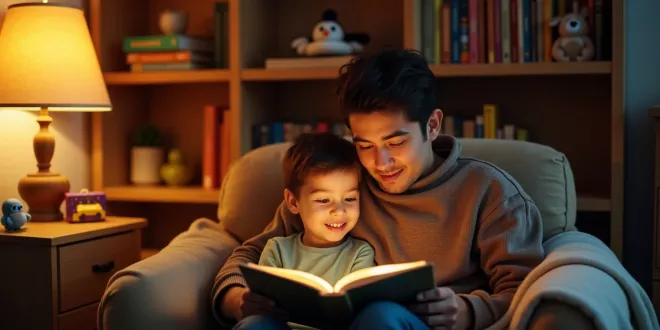
- Read together – Discuss how book characters might feel and why.
- Role-play scenarios – Ask questions like, “How would you feel if that happened to you?”
- Encourage helping – Let your child assist a sibling, neighbor, or classmate in small ways.
Example: After reading a story, pause to ask your child how the main character felt and how they would react in a similar situation. This simple practice deepens understanding of others’ emotions.
Helping Kids Manage Emotions (Anger, Shame, Frustration)
Children often feel emotions strongly but may not yet know how to handle them. Anger, shame, and frustration can lead to outbursts or withdrawal. Parents can help kids manage emotions by teaching coping strategies and modeling healthy behavior.
Practical Tools for Emotional Control
Here are some techniques that make a difference:
- Name the feeling – Encourage kids to say “I feel angry” or “I feel embarrassed” instead of acting out.
- Calm-down rituals – Deep breathing, counting to ten, or drawing can redirect energy.
- Positive expression – Teach phrases like “I feel upset because…” instead of shouting or shutting down.
Did you know? Creating a “calm corner” at home with soft toys, books, or drawing supplies gives children a safe place to cool down when emotions run high.
The Role of Parents in Emotional Growth
Children learn emotional skills by watching their parents. If adults handle stress calmly, children are more likely to do the same. Parents should create open communication at home and encourage independence while maintaining clear support.
How Parents Can Guide Emotional Development
- Lead by example – Show respect, patience, and calm responses during conflicts.
- Create safe spaces – Make sure children feel comfortable expressing emotions without fear of judgment.
- Establish family rituals – Shared meals or bedtime talks strengthen bonds and provide natural moments for emotional learning.
When to Seek Extra Support
While ups and downs are normal, some behaviors may point to deeper issues. Parents should seek support if they notice:
| Warning Sign | Possible Concern |
|---|---|
| Constant withdrawal from friends | Social anxiety or depression |
| Frequent extreme aggression | Difficulty managing anger or unresolved stress |
| Strong fear of school or social activities | Anxiety disorders or bullying issues |
If these patterns persist, reaching out to a child psychologist or school counselor can provide valuable guidance and support.
Conclusion
Emotional development in children aged 7–9 is a crucial foundation for confidence, empathy, and healthy relationships. Parents can make a lasting difference by listening, modeling positive behavior, and creating daily opportunities for growth. Small steps—like praising effort, encouraging empathy, and teaching coping tools—help children thrive emotionally. With patience and consistency, these years can set the stage for strong well-being in the future.
FAQs
Emotional development in children aged 7–9 refers to how kids learn to understand, express, and manage feelings. At this age, they develop self-awareness, empathy, and stronger social connections while facing challenges like self-esteem and peer pressure.
Parents can support emotional development by modeling calm behavior, encouraging open conversations, praising effort, and teaching coping strategies such as deep breathing or journaling. These small steps create long-term resilience.
Building self-esteem in kids aged 7–9 is vital because it shapes their confidence and willingness to try new things. Children with strong self-esteem are more resilient to challenges, less sensitive to criticism, and more socially secure.
Children learn empathy through reading stories, role-playing, and helping others. Parents can ask reflective questions like, 'How would you feel if this happened to you?' to guide kids in understanding others' perspectives.
Helpful strategies include naming the feeling, using calm-down rituals such as breathing or drawing, and encouraging children to express needs with positive language. A calm corner at home can also provide a safe emotional outlet.
If a child constantly withdraws from friends, shows extreme aggression, or fears school and social activities, parents should consider consulting a child psychologist or school counselor for professional guidance.
Parents play a central role by modeling healthy emotional responses, creating safe spaces for sharing, and guiding children with patience. Family rituals, like bedtime talks, also nurture emotional growth.
Emotional development directly affects focus, motivation, and peer relationships. Children who manage emotions well tend to perform better academically and adapt more easily to classroom challenges.
Common challenges include sensitivity to criticism, mood swings, peer comparisons, and struggles with self-confidence. Recognizing these as normal developmental stages helps parents respond with empathy.
Yes, games and activities like role-playing, storytelling, or cooperative team games can improve emotional intelligence. They teach children empathy, cooperation, and problem-solving while making learning fun.