The mental benefits of digital detox
Discover the profound mental benefits of a digital detox, from improved sleep to enhanced focus. Embrace a balanced tech life in the digital age!
Table of contents
- The Digital Age and Our Mental Wellbeing
- Understanding Digital Overload: Symptoms and Side Effects
- What is a Digital Detox?
- The Mental Benefits of Stepping Away from Screens
- Tips for a Successful Digital Detoxification
- The Balance: Integrating Technology Mindfully Post-Detox
- Embracing the Benefits and Finding Your Digital Equilibrium
- Books for Further Reading
- Digital Detox Apps: Aiding Your Unplugging Journey
- FAQs
The Digital Age and Our Mental Wellbeing
The digital age has been a double-edged sword in many ways. On one hand, technology has brought about immense conveniences, unparalleled connectivity, and a plethora of information right at our fingertips. Social media platforms, for instance, have bridged distances, enabling us to remain in touch with friends and family from all corners of the world. Smartphones, our constant companions, have transformed into multi-functional tools, facilitating everything from online shopping and navigation to entertainment and productivity.
However, as with most things, there's another side to this coin. The pervasive influence of the digital realm has raised concerns about its impact on our mental wellbeing. According to numerous studies, a considerable percentage of the population now experiences the stress and strain of constant digital engagement. This continuous exposure to screens and the digital realm has been linked to various psychological symptoms, ranging from anxiety and depression to attention deficit and sleep disturbances.
With the average person now spending over 6 hours a day on their smartphones or computers, the term "digital burnout" is no longer just jargon but a reality for many. As notifications ding continuously and our attention is constantly fragmented between various apps and platforms, the brain hardly gets a moment of genuine rest. This "always-on" culture, where work emails can reach us even during our off-hours and where the fear of missing out (FOMO) on social media updates keeps us perpetually engaged, has gradually eroded the boundaries between personal downtime and work or social time.
Research has shown that excessive screen time can hamper the brain's processing abilities, reduce our attention span, and lead to mood fluctuations. This is particularly concerning given the fact that our brain, just like any other muscle in our body, requires regular intervals of rest to rejuvenate and function optimally. When deprived of this essential downtime, it's no surprise that mental fatigue and associated disorders start to manifest.
However, it's not all doom and gloom. Recognizing the challenges posed by the digital age is the first step towards mitigation. This acknowledgment has given rise to the concept of a "digital detox" – a designated period where one consciously distances oneself from digital devices and platforms to recalibrate, refresh, and rejuvenate. This blog delves deep into the numerous mental benefits of such a detox, exploring how unplugging can not only restore our mental balance but also enhance various facets of our cognitive functions.
As we journey through this topic, you'll discover the profound positive impacts of taking a step back from the digital whirlwind and reconnecting with the tangible, real-world around us. By understanding the significance of a digital detox, we can cultivate a healthier relationship with technology, ensuring that it remains a tool for enhancement rather than an impediment to our mental wellbeing.
Understanding Digital Overload: Symptoms and Side Effects
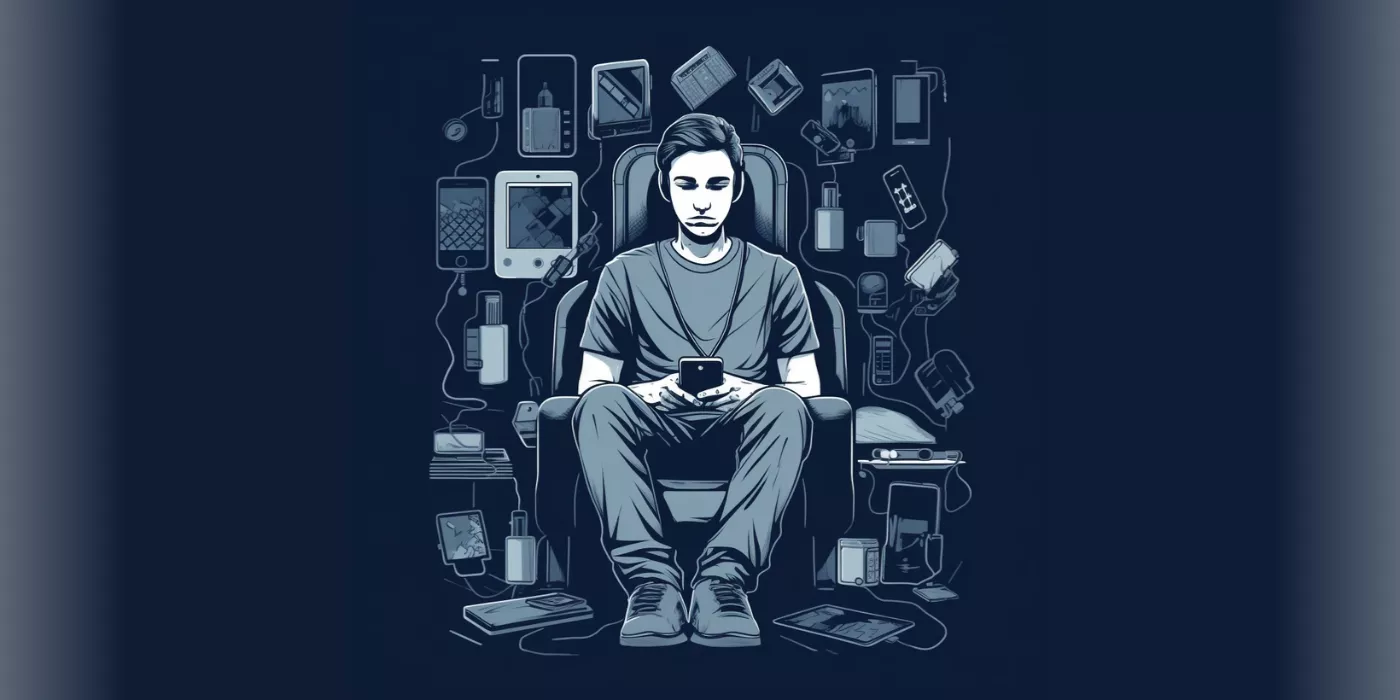
In today's technologically-driven society, the term "digital overload" is becoming increasingly relevant. As our lives become more intertwined with digital devices and platforms, there's a rising concern about the potential negative effects of this constant engagement. Digital overload, also known as information or digital fatigue, refers to the overwhelming feeling one gets from being continuously connected and bombarded with information. But what are its tangible symptoms, and how does it manifest in our daily lives?
Cognitive Fatigue
Cognitive fatigue is one of the most pronounced symptoms of digital overload. When we engage with digital devices, particularly for extended periods, we're constantly processing vast amounts of information. Whether it's emails, social media updates, or work-related tasks, our brain is in a perpetual state of activity.
Over time, this relentless engagement can cause the brain to feel 'tired' or 'foggy.' People might experience difficulties concentrating, remembering details, or making decisions. This mental exhaustion not only affects productivity but can also lead to mistakes at work or during routine tasks. It's akin to how our body feels after intense physical activity, but in this case, it's our brain that's worn out. Regular breaks and digital detoxes can help alleviate this fatigue and give the brain the much-needed rest it deserves.
Social Media Anxiety
The advent of social media platforms promised connection, but for many, it has also become a source of anxiety. Social media anxiety stems from the constant comparison with others, the pursuit of validation through 'likes' and 'comments,' and the fear of missing out on updates or events.
The curated lives displayed on platforms like Instagram or Facebook can lead individuals to feel inadequate or left out, impacting their self-esteem. There's also the added pressure of maintaining an 'online persona' and the stress that comes with it. This continuous loop of checking updates, comparing, and seeking validation can be mentally draining and, over time, can lead to anxiety disorders. It's essential to recognize these patterns and take periodic breaks from social media to maintain mental equilibrium.
The Phantom Vibration Syndrome
A rather peculiar yet increasingly common phenomenon, the Phantom Vibration Syndrome refers to the sensation of feeling your phone vibrate when it hasn't. It's a testament to how ingrained mobile devices have become in our lives. Our brain has become so attuned to expecting notifications that it sometimes 'tricks' us into believing we've received one, even when we haven't.
While this might seem harmless or amusing, it's indicative of a deeper dependency and attachment to our devices. It signifies a heightened state of alertness and anticipation, which can be mentally taxing. By consciously limiting our screen time and ensuring we have designated 'phone-free' periods, we can reduce the occurrence of such symptoms and foster a healthier relationship with our devices.
As the lines between the digital and real worlds blur, understanding the symptoms and side effects of digital overload becomes imperative. By recognizing these signs early on, we can take proactive measures, such as digital detoxes, to safeguard our mental wellbeing.
What is a Digital Detox?
In today's fast-paced world, where screens often dominate our attention, the term 'digital detox' has emerged as a beacon of hope for those seeking mental clarity and balance. But what exactly does it entail, and why is it becoming so pivotal in discussions surrounding mental health and well-being?
A Digital Detox Defined
At its core, a digital detox refers to a designated period of time during which an individual refrains from using electronic devices, particularly smartphones, computers, tablets, and social media platforms. It's a conscious disengagement from the digital world to reconnect with the physical realm, be it nature, interpersonal relationships, or oneself.
The Need for a Detox
The rationale behind a digital detox stems from the increasing recognition of the potential detrimental effects of constant digital consumption. As we've explored earlier, digital overload can lead to cognitive fatigue, social media anxiety, and even phantom vibrations, among other symptoms. These manifestations, subtle or pronounced, signal the brain's plea for respite.
Imagine your smartphone or laptop: after prolonged use, it tends to heat up, slow down, or even hang. It's a clear sign that it requires a reboot. Similarly, our minds, when overwhelmed with digital stimuli, necessitate a break to reset and rejuvenate.
The Mechanisms of a Detox
A digital detox can be as simple as dedicating an hour each day without screens or as profound as a week-long retreat in nature without any gadgets. The extent and nature of the detox often depend on individual preferences and the severity of the digital overload experienced.
Some common strategies include:
- Setting specific times of the day as 'tech-free' hours.
- Engaging in activities that don't require screens, such as reading a physical book, gardening, or painting.
- Taking tech-free vacations where the primary focus is on exploring and experiencing without the interference of gadgets.
- Designating specific areas in the house, like the bedroom or dining room, as device-free zones to foster genuine human connection.
The Ultimate Goal
While the immediate aim of a digital detox is to reduce the symptoms and side effects of digital overload, its more profound objective is to establish a healthier, more balanced relationship with technology. It's about harnessing the immense potential and convenience of the digital realm without letting it overtake our mental space. A successful digital detox offers insights into our digital consumption patterns, making us more mindful and intentional about our screen time in the future.
A digital detox is not about vilifying technology but about restoring balance. In an age where our lives are seamlessly interwoven with the digital world, it's vital to periodically step back, reassess, and recalibrate to ensure that our mental well-being remains at the forefront.

The Mental Benefits of Stepping Away from Screens
In an era dominated by screens, be it smartphones, tablets, or computers, taking a conscious break can seem counterintuitive. Yet, the mental benefits of such a decision are profound and multifaceted. Taking up a digital detox challenge encourages individuals to set specific goals and timeframes, allowing them to experience enhanced focus, improved sleep patterns, and a reduction in anxiety. Delving into this dimension of digital detox, let's uncover the transformative effects of limiting our screen time.
Enhanced Focus and Concentration
In the age of multitasking, our attention is perpetually fragmented. Notifications, messages, and constant updates pull our focus in myriad directions. However, when we step away from this digital cacophony, a remarkable shift occurs. Our ability to concentrate on singular tasks improves substantially. Without the incessant interruptions from devices, our brain can channel its energies efficiently, leading to enhanced focus, better comprehension, and a boost in overall productivity.
Improved Sleep Patterns
The blue light emitted by screens is notorious for disrupting our circadian rhythms. This interference with our natural sleep-wake cycle can lead to insomnia and disturbed sleep patterns. By reducing evening screen time and embracing a digital detox, especially before bedtime, individuals often experience deeper, more restorative sleep. This not only results in increased energy levels during the day but also contributes to better mental health, as adequate sleep is vital for cognitive functions and mood regulation.
Reduction in Anxiety and Stress
The perpetual connectivity that digital devices offer can become a constant source of stress. The need to respond promptly, the fear of missing out, and the pressure to stay updated can escalate anxiety levels. By distancing oneself from screens, even if for a short while, there's a noticeable drop in these stressors. The mind gets the much-needed space to relax, leading to a marked reduction in anxiety and stress levels.
Strengthened Real-life Relationships
Our digital connections, while valuable, often come at the expense of real-life interactions. The physical presence, genuine conversations, and the warmth of human touch are irreplaceable. By taking a step back from screens, we inadvertently create room for strengthening our bonds with family and friends. Engaging in face-to-face conversations, participating in group activities, or merely being present in the moment can foster deeper, more meaningful relationships.
Increased Creativity and Mindfulness
Absence from the digital realm provides a fertile ground for creativity to flourish. Without the distractions of screens, the mind can wander, dream, and innovate. Many artists, writers, and thinkers vouch for their most creative spells during periods of digital disconnect. Additionally, being away from screens fosters mindfulness – the art of being truly present. This heightened awareness of one's surroundings, emotions, and thoughts contributes significantly to mental well-being.
While our screens offer convenience, entertainment, and connectivity, it's imperative to balance this digital engagement with periods of disconnection. The myriad mental benefits that arise from stepping away underscore the importance of periodic digital detoxes in our increasingly screen-centric lives.
Tips for a Successful Digital Detoxification
In the intertwined realms of modern living and technology, seeking a reprieve from digital detoxification is not just refreshing—it's necessary. As the benefits of a digital detox become increasingly evident, the question arises: How does one successfully detach from the digital sphere, even if momentarily? Let’s explore some effective strategies to help you achieve a rewarding digital detox.
Setting Clear Boundaries
The cornerstone of any effective digital detox is the establishment of boundaries. Without clear parameters, it's easy to slip back into old habits. Here are some strategies to consider:
- Scheduled Screen Time: Allocate specific windows during the day for checking emails, social media, and other digital tasks. Outside these windows, commit to staying offline.
- Digital Sabbaticals: Designate one day a week (like a Sunday) as a tech-free day. This regular break can help reduce dependency and make the detox more sustainable.
- Notification Management: Disable non-essential notifications. This minimizes interruptions and reduces the urge to constantly check your devices.
Engaging in Non-digital Activities
Reclaiming the time usually spent on screens opens up a world of opportunities. Engage in activities that are not only enjoyable but also mentally enriching:
- Reading: Revisit the joy of reading physical books. They offer an immersive experience without the strain of screen light.
- Outdoor Activities: Nature has a unique way of healing and rejuvenating. Be it hiking, gardening, or simply walking, the outdoors can work wonders for your mental well-being.
- Hobbies: Dive into a hobby you've been neglecting or explore a new one – be it painting, music, or DIY crafts. These activities are therapeutic and can significantly enhance your creativity.
Creating a Tech-Free Bedroom
The bedroom is meant to be a sanctuary – a space for relaxation and rest. Introducing technology into this space not only hampers the quality of sleep but also impacts mental peace. Here's how to ensure a tech-free bedroom:
- Charging Stations: Instead of charging devices next to your bed, establish a charging station outside the bedroom. This discourages the habit of checking devices before sleep or immediately upon waking.
- Alarm Clocks: Swap your phone's alarm with a traditional alarm clock. This simple change can reduce the temptation to browse as soon as you wake up.
- Reading Material: Keep a few good books or magazines handy. If the urge to check your device arises, divert your attention by reading a few pages.
A digital detox is more than just a temporary break from screens; it's a lifestyle change aimed at ensuring mental equilibrium in the digital age. By setting clear boundaries, engaging in non-digital pursuits, and sanctifying spaces like the bedroom, you can pave the way for a more balanced, content, and connected life – both online and off.

The Balance: Integrating Technology Mindfully Post-Detox
While a phone detox focuses on decreasing our smartphone dependency, a broader social media detox can help free us from the continuous urge to check notifications, the compulsive scrolling, and the subconscious comparisons we often make with others online. Both approaches emphasize the necessity to break from our habits, but how do we ensure the sustainability of this newfound balance when we reconnect?
Emerging from a digital detox can feel incredibly rejuvenating. However, as we re-enter our digital lives, there lies the challenge of ensuring that the benefits derived aren’t swiftly eroded. How do we maintain the clarity, peace, and balance once we reintegrate with our devices? The answer lies in mindful integration. Let’s explore how to strike the right balance.
-
Mindful Consumption
Just as you'd be conscious about the food you consume, be discerning about the digital content you engage with. Prioritize quality over quantity. Instead of mindlessly scrolling through countless posts or articles, select content that adds value to your life, be it educational, inspiring, or genuinely entertaining.
-
Schedule Technology Time
Allocate specific times for checking emails, social media, and other digital tasks. This structured approach can prevent the continuous, fragmented engagement that often leads to digital fatigue. For instance, setting aside 20 minutes in the morning and evening for emails can be more productive than checking them sporadically throughout the day.
-
Use Technology to Your Advantage
Leverage apps and tools designed to promote digital well-being. Screen time trackers, app usage monitors, and digital wellness apps can offer insights into your digital habits, helping you make informed decisions about where to cut back.
-
Re-evaluate Notifications
Every ping and vibration shouldn't be demanding your attention. Audit your app notifications and disable those that aren't crucial. This simple step can drastically reduce distractions and ensure that only pertinent information breaks your focus.
-
Embrace Single-Tasking
In our quest to be omnipresent digitally, we often multitask, believing it to be efficient. However, toggling between tasks can dilute our concentration. Instead, commit to single-tasking. If you're watching a show, immerse yourself in it fully rather than simultaneously scrolling through your phone.
-
Prioritize Human Connection
Remember the depth of real-world conversations and the connections forged during your detox? As we consider the value of unplugging from social media, it's crucial to preserve these genuine interactions in our digital return. Ensure that when you're with loved ones, devices don't overshadow the precious moments. Consider device-free dinners or outings to foster genuine, uninterrupted connections.
-
Regularly Review and Adjust
Our digital habits, much like any other habits, need periodic review. Set aside time every month to assess your digital engagement. Are there new patterns emerging? Are you slipping back into old habits? Regular introspection can help keep you aligned with your post-detox goals.
The post-detox phase is not about shunning technology; it's about coexisting with it harmoniously. Technology, when used mindfully, can be a powerful enabler, connecting us, informing us, and entertaining us. The key lies in integrating it into our lives in a way that it augments rather than diminishes our well-being.
Embracing the Benefits and Finding Your Digital Equilibrium
As we navigate the intricate fabric of the digital age, understanding the profound impact of our online habits on our mental well-being is paramount. While technology has undoubtedly enriched our lives in numerous ways, it's also introduced challenges that previous generations never faced. Overstimulation, information overload, and the blurring of lines between work and rest have become prevalent issues.
But as this deep dive into digital detox has illuminated, it's entirely possible to reap the myriad benefits of technology without compromising our mental health. The beauty of a digital detox doesn't lie in complete renunciation but in fostering awareness—recognizing when our digital consumption starts tipping the scale of balance and taking proactive steps to restore it.
This balance, or 'Digital Equilibrium,' isn't a one-size-fits-all. It's a personal sweet spot where technology serves as a tool, not a tyrant; where it amplifies human connection instead of attenuating it. It’s in this equilibrium that we find enhanced focus, improved relationships, better sleep, and an overall enriched quality of life.
In a world where screens are ubiquitous, taking periodic breaks might seem like a luxury, but it's indeed a necessity—a lifeline to our intrinsic human needs of connection, introspection, and genuine rest. As you continue your digital journey, may you always be empowered to make choices that prioritize your well-being, finding your unique digital equilibrium.

Books for Further Reading
For those yearning to delve deeper into the realm of digital well-being, several authors have penned insightful narratives, providing both empirical data and practical advice. Here are a few recommendations:
"Digital Minimalism: Choosing a Focused Life in a Noisy World" by Cal Newport. This book offers a philosophical take on the role of technology in our lives, championing the idea of intentional and minimal tech use.
"How to Break Up with Your Phone: The 30-Day Plan to Take Back Your Life" by Catherine Price. Price presents a step-by-step guide to reshaping our relationship with our smartphones, emphasizing a healthier balance.
"Irresistible: The Rise of Addictive Technology and the Business of Keeping Us Hooked" by Adam Alter. This eye-opening read delves into the mechanisms behind tech addiction, examining why our devices are so hard to put down.
"The Joy of Missing Out: Finding Balance in a Wired World" by Christina Crook. Through personal anecdotes and insightful commentary, Crook explores the benefits of disconnecting and the art of savoring life's moments without digital intrusion.
"The Shallows: What the Internet Is Doing to Our Brains" by Nicholas Carr. Carr delves into the cognitive repercussions of extensive online activity, shedding light on how our brains are being reshaped by the digital age.
These reads not only bolster the principles discussed in this blog post but also empower readers with actionable strategies to navigate their digital lives more mindfully.
Digital Detox Apps: Aiding Your Unplugging Journey
In today's tech-dominated world, there's an app for almost everything—including helping you detach from screens. These digital detox apps are designed to support your goal of reducing screen time, managing digital distractions, and promoting healthier tech habits.
Freedom: an app that allows users to block distracting websites and apps across devices. You can schedule your focused sessions, and during those times, the selected sites or apps will be inaccessible. It's a favorite among writers, developers, and individuals aiming for deep work sessions. Android | iOS
Flipd: offers features that help users disconnect from their phone and engage in real-world activities. It provides a full lock mode, making certain apps unusable for a duration you set. Beyond just app blocking, Flipd encourages participation in non-digital activities and tracks your progress over time. Android | iOS
Forest: Stay focused: encourages focus by letting you plant a virtual tree, which grows when you avoid using other phone apps. If you're distracted, the tree withers. Beyond productivity, earned virtual currency can help plant real trees, merging digital detox with eco-consciousness. Android | iOS
Integrating a digital detox app into your routine can be a game-changer, offering the nudge many of us need to set boundaries and prioritize real-world interactions over screen time.