The Mind-Body Connection: Transform Your Health Through Positive Thinking
Discover the transformative power of the Mind-Body Connection in our in-depth exploration of how positive thinking can significantly enhance your physical health and overall well-being.
Table of contents
- Brief Overview of Mind-Body Connection
- Historical Context of the Mind-Body Connection
- The Science Behind Thoughts and Health
- The Placebo Effect
- Mindfulness and Its Impact on Physical Health
- Cognitive Restructuring: Rewiring Negative Thoughts
- Emotions, Moods, and Their Physical Manifestations
- The Importance of Emotional and Social Support
- Challenges and Criticisms
- Practical Tips for Harnessing Positive Thoughts
- Recap of the Mind-Body Relationship
- Recommended Reading and Resources
- FAQs
Brief Overview of Mind-Body Connection
The concept of the mind-body connection is not new. For centuries, various civilizations have embraced the idea that our thoughts, emotions, and beliefs have a direct and profound impact on our physical health. From the ancient Indian practice of Ayurveda to Traditional Chinese Medicine, the belief that our mental state can influence our bodily well-being has been a foundational principle. However, in the realm of modern science and medicine, the intricate interplay between our mental processes and our physical health has taken a more quantifiable and evidence-based turn.
Our body isn't just a vessel that houses our brain; it's an interconnected system. Every thought we have can set off a chain reaction that impacts various physiological processes. Think about the last time you felt nervous. Perhaps it was before a significant event or a presentation. Your palms might have become sweaty, your heart rate could have increased, and you might've felt a knot in your stomach. These physical reactions were triggered purely by a thought or an emotion. It underscores the undeniable link between our mind and body – a bond that, when understood and harnessed, can become a powerful tool for enhancing our health and well-being.
Exploring the body and mind relationship reveals the essential connection between our thoughts, emotions, and physical health.
Purpose of the Blog Post
With the ever-growing interest in holistic health and wellness, it's essential to recognize and explore the symbiotic relationship between our thoughts and physical health. This post aims to delve deep into this fascinating connection, shedding light on the scientific mechanisms at play and offering actionable insights on how one can leverage the power of positive thinking for better health outcomes.
The prevalence of mental health challenges and the increasing rates of chronic physical ailments in today's fast-paced world underscore the need for a comprehensive understanding of the mind-body nexus. By tapping into the age-old wisdom of past civilizations and blending it with contemporary scientific research, this blog post aspires to offer readers a roadmap. A roadmap to not only comprehend the profound effects of their thoughts on their physical well-being but also to equip them with practical tools and strategies to harness this knowledge for improved health and vitality.
We'll journey through historical contexts, dive into the intriguing world of neurotransmitters, and explore practices like mindfulness and cognitive restructuring. Moreover, this exploration won't be purely theoretical. Real-world examples, case studies, and testimonials will anchor our understanding, making the mind-body connection palpable and relatable.
In a world where we're often searching for the next best supplement or the ultimate workout to boost our health, it's time we recognized and harnessed the most potent tool we all possess – our mind. Through this post, we invite you on a transformative journey, one that promises to change the way you perceive health, wellness, and the power of thought.
Historical Context of the Mind-Body Connection
Delving into the historical context enriches our comprehension of the mind-body connection and sets the stage for modern neuroscience's contributions. While today's scientific advancements offer measurable evidence of the mind-body connection, the belief in this interplay has existed for millennia. The journey from ancient philosophies to the evolution of psychosomatic medicine provides intriguing insights into how our ancestors perceived and harnessed the power of thought to influence health.
Ancient Philosophies on Thought and Health
Centuries ago, cultures around the globe acknowledged the symbiotic relationship between the mind and body. Ancient Indian scriptures, for instance, encapsulate the essence of the mind-body connection in Ayurveda, a holistic healing system that emphasizes balance in bodily systems using diet, herbal treatments, and yogic breathing. According to Ayurvedic principles, an imbalance in one's mental state could manifest as a physical ailment, and vice versa.
Similarly, Traditional Chinese Medicine (TCM) rests on the foundation that the body's vital energy, termed 'Qi,' flows along meridians and can be influenced by one's emotional and mental state. Emotions such as anger, joy, and worry were believed to affect specific organs like the liver, heart, and spleen, respectively.
In ancient Greece, the famous physician Hippocrates posited that emotions and mindsets could have both positive and negative impacts on the body. Galen, another eminent Greek physician, further elaborated on this by suggesting that melancholic thoughts could lead to physical diseases.
These ancient philosophies, stemming from diverse cultures and regions, all echo a unified belief: our thoughts, emotions, and beliefs are intrinsically tied to our physical well-being.
The Evolution of Psychosomatic Medicine
Fast forward to more recent times, the 20th century witnessed the formalization of these age-old beliefs into a recognized field of medicine: psychosomatic medicine. The term 'psychosomatic' is derived from two Greek words, 'psyche' (mind) and 'soma' (body), reflecting the interconnected nature of mind and body.
Psychosomatic medicine delves into how social, psychological, and behavioral factors influence bodily processes and overall health. The advent of this field reinforced the idea that mental and emotional distress could exacerbate or even lead to physical ailments. For instance, prolonged stress, if not addressed, could manifest as hypertension, gastrointestinal issues, or chronic pain.
The progression of psychosomatic medicine has been bolstered by numerous studies and research endeavors. These investigations have unveiled mechanisms like the stress response, the role of neurotransmitters, and the impact of hormones, solidifying the scientific understanding of how thoughts can indeed influence physical health.

The Science Behind Thoughts and Health
While ancient philosophies provide a spiritual and holistic perspective on the influence of thoughts on health, modern science brings this concept to life with tangible, evidence-based findings. At the heart of this exploration lies a fascinating interplay of chemicals, reactions, and physiological processes that validate how our mind, with its myriad of thoughts and emotions, can significantly impact our bodily functions. The complex network of nerves that forms the neuroscience mind-body connection is fundamental in how neurotransmitters influence our health.
Neurotransmitters and the Brain-Body Link
Neurotransmitters are chemical messengers that play a pivotal role in determining how we feel, think, and react. These compounds transmit signals between nerve cells, ensuring communication throughout the body. Serotonin, for instance, often referred to as the "feel-good" neurotransmitter, is associated with feelings of well-being and happiness. A deficiency in serotonin levels can lead to mood disorders like depression.
Dopamine, another vital neurotransmitter, is linked to motivation, pleasure, and reward. Imbalances in dopamine levels can influence not only mood but also bodily functions like sleep and movement.
The connection between the brain and body through neurotransmitters highlights how thoughts and emotions, which can alter neurotransmitter levels, can influence physical health. For instance, chronic feelings of sadness or stress can affect serotonin and cortisol levels, leading to digestive issues, sleep disturbances, or even cardiovascular problems.
The Stress Response and Its Health Implications
The body's response to stress serves as a prime example of the mind-body connection in action. When faced with a perceived threat, the brain releases stress hormones like cortisol and adrenaline. This response, often termed the "fight or flight" reaction, prepares the body to either confront or flee from the threat. While beneficial in short bursts, chronic stress can wreak havoc on the body.
Elevated levels of cortisol over extended periods can lead to a myriad of health issues, including weight gain, high blood pressure, sleep disturbances, and a weakened immune system. Furthermore, prolonged stress can exacerbate existing conditions such as asthma, diabetes, and gastrointestinal problems.
Positive Thoughts and the Immune System Boost
Contrasting the detrimental effects of negative emotions, positive thoughts and feelings have shown to bolster the immune system. The body's immune response is closely linked with our psychological state. Research indicates that optimistic individuals tend to have better immune function compared to their pessimistic counterparts.
The release of endorphins, often triggered by positive emotions, laughter, and even the act of socializing, can boost the immune system. These "feel-good" chemicals not only elevate mood but also play a role in reducing pain and inflammation.

The Placebo Effect
One of the most captivating phenomena that embodies the power of thought over physical health is the placebo effect. Rooted deeply in our beliefs and expectations, this effect offers a remarkable testament to how our mental state can bring about tangible changes in our body, even when no active therapeutic intervention is present. The placebo effect underscores the brain and body integration, demonstrating how belief can manifest in physical healing.
What is the Placebo Effect?
At its core, the placebo effect revolves around the body's response to a treatment or intervention that has no therapeutic value in itself. It's not the placebo, often a sugar pill or sham treatment, that brings about change, but rather the individual's belief in the efficacy of that intervention. The very expectation that a treatment will work can activate the body's innate healing processes or bring about physiological changes.
This effect transcends mere "positive thinking." It's rooted in complex neurobiological reactions involving neurotransmitters and brain pathways. For example, when a person anticipates pain relief from a placebo pill, the brain might release natural painkillers known as endorphins, leading to a genuine reduction in pain.
Real-world Examples and Clinical Trials
Clinical trials often employ placebos as a control measure to gauge the effectiveness of new treatments. Participants typically are split into groups, with one receiving the actual medication and the other a placebo. In many instances, those receiving the placebo report improvements, showcasing the power of belief.
A famous example dates back to the 1950s when Dr. Henry Beecher observed that wounded soldiers didn't request as much morphine as civilians with similar injuries. He concluded that the soldiers believed the worst was behind them, thus experiencing less pain. This realization laid the groundwork for further investigations into the placebo effect.
In more recent times, a study on patients with irritable bowel syndrome (IBS) found that even when openly informed that they were receiving placebo pills, a significant portion reported symptom relief, highlighting the intricacies of mind-body interactions.
How Belief Influences Physical Outcomes
Belief is a potent tool. Neurologically, when we believe in the efficacy of a treatment, our brain can initiate a cascade of reactions. Besides the release of endorphins, there might be a decrease in stress-related hormones or an increase in immune-boosting chemicals. Essentially, our belief sets in motion a series of events that can mirror the effects of actual therapeutic agents.
Additionally, the psychological comfort derived from the mere act of receiving treatment, be it real or placebo, can lead to improved mental states, reduced anxiety, and a more optimistic outlook, further contributing to better health outcomes.

Mindfulness and Its Impact on Physical Health
In today's fast-paced world, the art of being present – truly present – is becoming an invaluable skill. Mindfulness, often seen as a bridge between our mind and body, is emerging as a key player in enhancing physical health. Through body connection meditation practices, mindfulness can have a profound impact on physical well-being. Rooted in ancient practices and validated by modern science, the journey of mindfulness showcases the intricate dance between thought patterns and tangible health outcomes.
The Basics of Mindfulness
Mindfulness is the practice of being fully engaged in the present moment, free from distractions, and without judgment. It entails observing our thoughts, feelings, and sensations without getting entangled in them. This heightened state of awareness helps individuals recognize and break away from habitual reactions, often reducing negative responses to stressors.
The beauty of mindfulness is that it can be practiced anywhere and anytime. Whether it's through dedicated meditation sessions or simply being more aware during daily tasks, the essence lies in cultivating an attentive and non-reactive mindset.
The Role of Meditation in Reducing Health Risks
One of the primary tools for achieving mindfulness is meditation. Meditation, especially mindfulness-based practices, has been extensively studied for its health benefits. A consistent meditation routine can lead to a reduction in stress levels, as it often downregulates the body's stress response, reducing the secretion of stress hormones like cortisol.
Moreover, meditation has been linked to lowering blood pressure, improving sleep patterns, and even enhancing immune system function. It achieves this by fostering a state of relaxation that counteracts the detrimental effects of chronic stress on the body. By creating a positive shift in thought patterns, meditation provides a protective shield against numerous health risks associated with prolonged stress and anxiety.
Case Studies and Real-life Testimonials
The transformative power of mindfulness and meditation is not just confined to controlled studies; real-life testimonials and case studies echo similar sentiments.
For instance, a 2016 study published in the journal "PLOS ONE" observed that participants who underwent a mindfulness-based stress reduction program showed significant reductions in inflammatory markers compared to those who didn't. This indicates the potential role of mindfulness in reducing inflammation, a root cause of many chronic diseases.
On a more personal level, countless individuals credit mindfulness practices for alleviating chronic pain, managing autoimmune conditions, and even aiding recovery post-surgery. There are heartwarming testimonials of individuals overcoming insomnia, chronic migraines, and digestive issues, all by integrating mindfulness into their daily lives.
Cognitive Restructuring: Rewiring Negative Thoughts
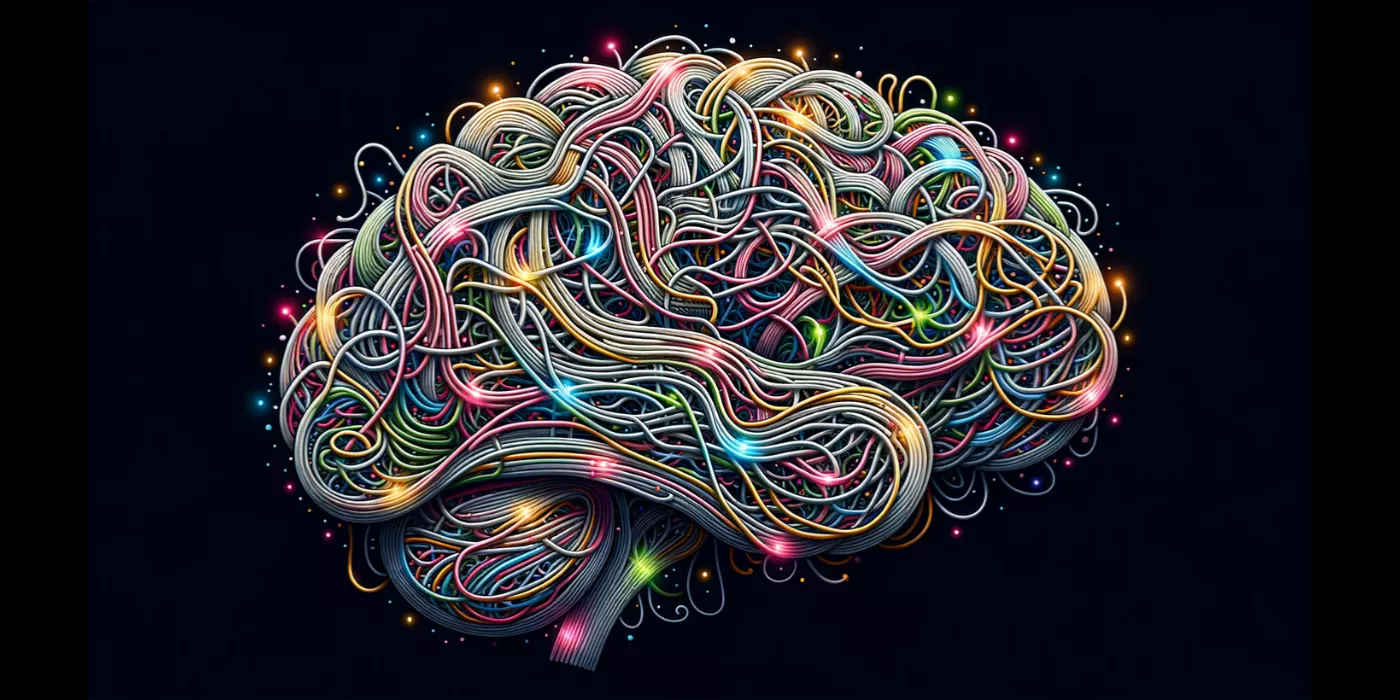
Cognitive restructuring is a pivotal mind body connection healing practice, transforming negative thought patterns to improve health. In the realm of mental well-being, thoughts wield unparalleled power over our physiological health. But what happens when these thoughts turn negative or self-defeating? Enter cognitive restructuring, a therapeutic tool designed to challenge and change unproductive thought patterns. By diving deep into the psyche and rewiring these ingrained beliefs, we can bring about profound shifts in our physical health.
What is Cognitive Restructuring?
Cognitive restructuring, a cornerstone of cognitive-behavioral therapy (CBT), is a method that helps individuals identify, challenge, and replace distorted or negative thoughts with more balanced, realistic ones. These distorted thoughts, often termed cognitive distortions, can range from black-and-white thinking (viewing situations in absolutes) to catastrophizing (expecting the worst-case scenario).
By becoming aware of such distortions and actively challenging them, individuals can reshape their thought processes, leading to healthier emotional responses and, consequently, better physical health outcomes. For instance, constantly thinking "I'll never recover from this illness" can be reframed to "Recovery might take time, but I'll take steps each day to feel better."
Techniques to Overcome Pessimistic Thought Patterns
- Thought Logging: One of the first steps in cognitive restructuring is recognizing the negative thought. Keeping a "thought journal" can help. Every time a negative or distorted thought arises, jot it down, note the trigger, and record the subsequent emotion.
- Question the Thought: Once identified, challenge the thought. Is it based on fact or assumption? Would an objective observer agree with the thought? Asking such questions can unveil the irrationality of many negative beliefs.
- Reframe the Thought: Replace the negative thought with a more balanced one. For example, change "I'm terrible at this" to "I might not have mastered it yet, but I'll keep trying and improving."
- Visualize Positive Outcomes: Instead of getting bogged down by negative scenarios, try to visualize a positive outcome. Imagine succeeding in the task or overcoming the challenge.
- Mindful Meditation: Meditation, especially mindfulness, can help individuals become more aware of their thoughts, making it easier to catch and challenge negative patterns.
Positive Outcomes from Adopting a Healthy Mindset
Embracing cognitive restructuring can bring about a myriad of positive health outcomes. A healthier mindset can reduce stress, which, as we've seen, directly benefits physical health. Additionally, a positive thought process can:
- Boost the immune system, making one less susceptible to illnesses.
- Enhance recovery times from sickness or surgeries.
- Improve sleep quality.
- Decrease the risk of chronic diseases related to stress, like hypertension or heart ailments.
Moreover, by fostering resilience and optimism, cognitive restructuring can pave the way for a proactive approach to health, encouraging healthier lifestyle choices and behaviors.
Emotions, Moods, and Their Physical Manifestations
Chronic stress responses and weakened immune systems are often physical manifestations of our emotional health. Our emotions, ranging from fleeting moments of joy to prolonged periods of sadness, play a pivotal role in shaping our daily experiences. But their influence doesn't stop at the psychological level, these emotions have tangible physical manifestations that can significantly affect our overall health. Understanding this profound connection between our emotions, moods, and their physical repercussions is crucial for holistic well-being.
The Interlink Between Emotions and Physical Health
Emotions are complex reactions that emerge from a combination of our thoughts, experiences, and physiological responses. When we experience an emotion, our brain releases a cocktail of chemicals, and our body responds in kind. For example, during moments of happiness or excitement, the brain releases dopamine, a neurotransmitter associated with pleasure, leading to sensations of warmth and increased energy.
On the other hand, in response to threats or stressors, our body undergoes the "fight or flight" response: our heart rate accelerates, muscles tighten, and breathing becomes rapid. While this response is beneficial in the short-term, helping us confront or flee from immediate dangers, constant activation can lead to wear and tear on the body.
Chronic Negative Emotions and Their Impact on the Body
Continual exposure to negative emotions like stress, anxiety, and sadness can have detrimental physical consequences:
- Heart Disease: Chronic stress and anxiety can lead to hypertension and elevated cortisol levels, both risk factors for heart disease.
- Weakened Immune System: Prolonged stress or depressive states can weaken the immune system, making the body more susceptible to infections and slowing down recovery processes.
- Digestive Issues: Stress and anxiety can disrupt the gut-brain connection, leading to conditions like irritable bowel syndrome, gastritis, or acid reflux.
- Chronic Pain: Persistent negative emotions can exacerbate pain sensations and lead to chronic conditions like migraines or muscle pain.
- Sleep Disorders: Emotional turmoil often leads to sleep disturbances, which in turn can affect physical health, cognitive functions, and emotional regulation.
Ways to Regulate Emotions for Better Health
- Emotion Awareness: Start by recognizing and labeling your emotions. Understanding what you're feeling can be the first step in addressing and regulating those emotions.
- Physical Activity: Regular exercise is not only good for physical health but can also act as an emotional outlet, releasing endorphins, which are natural mood elevators.
- Mindfulness and Meditation: These practices can aid in emotional regulation, reducing the intensity and frequency of negative emotional states.
- Seek Social Connections: Engaging with loved ones or joining support groups can offer emotional relief and provide coping mechanisms.
- Professional Therapy: For chronic emotional distress or mood disorders, seeking therapy or counseling can provide structured guidance and coping strategies.

The Importance of Emotional and Social Support
The intricate relationship between the mind and body underscores the profound influence our thoughts and emotions have on our health. Yet, we are not isolated beings, and the emotional and social support we receive from others plays a monumental role in our overall well-being. This interconnectedness, founded on deep-rooted evolutionary and psychological principles, emphasizes the importance of maintaining robust social ties for optimal health.
The Role of Social Bonds in Health and Longevity
Human beings are inherently social creatures. From early tribal communities to today's interconnected digital world, the bonds we form with others have been integral to our survival and evolution. But beyond mere survival, these bonds hold significant implications for our health and longevity.
- Stress Reduction: Social connections, whether with family, friends, or a broader community, provide a buffer against life's stresses. Engaging in meaningful conversations, sharing experiences, or simply having someone to lean on can significantly reduce cortisol levels, the body's primary stress hormone.
- Boosting Immune Health: A 2010 study published in the journal "Health Psychology" found that socially integrated individuals, those with more substantial social connections, had better functioning immune systems than those more socially isolated.
- Mental Health: Social support plays a pivotal role in safeguarding mental health. Loneliness and social isolation have been linked to increased risks of depression, anxiety, and cognitive decline.
- Longevity: Research has consistently shown that individuals with robust social networks tend to live longer. A meta-analysis examining over 300,000 participants found that stronger social relationships were associated with a 50% increased chance of survival.
Harnessing Social Support for Healing and Recovery
It's not just about having social ties, but how we leverage these connections for our health:
- Therapeutic Support Groups: For individuals undergoing specific challenges, like illness or grief, joining a support group can offer specialized guidance, shared experiences, and a sense of belonging.
- Stay Active Socially: Engage in community events, join clubs, or volunteer. These activities provide dual benefits of social interaction and a sense of purpose.
- Digital Connections: In today's digital age, even if physical interaction is limited, online forums, support groups, or virtual meet-ups can offer valuable emotional support.
- Family and Friends: Cultivate deeper connections with loved ones. Open up about your feelings, concerns, or health challenges. Often, just being heard can be therapeutic.
- Professional Counseling: In some instances, seeking professional help to navigate emotional or health challenges can be beneficial. Therapists or counselors can provide structured emotional support and tools to cope.
Robust social bonds are instrumental in enhancing the quality of life and mitigating mental health problems.

Challenges and Criticisms
The mind-body connection psychology confronts skepticism despite its proven effects, necessitating a nuanced discussion. Though the evidence of a mind-body link is compelling, it's crucial to approach this topic with a balanced perspective, acknowledging its limitations and addressing the myths and misconceptions.
Limitations in Mind-Body Research
While the field has made significant strides, there are inherent limitations to consider:
- Variability in Study Designs: Research on the mind-body connection often relies on self-reported data, which can be subjective and influenced by various factors such as mood, environment, or personal bias.
- Complex Interactions: The interplay between thoughts, emotions, and physical health involves intricate biochemical, neurological, and physiological processes, which can be challenging to isolate and study comprehensively.
- Causality Issues: While many studies indicate a correlation between mental states and physical health outcomes, establishing a direct cause-and-effect relationship remains challenging.
Debunking Myths and Misconceptions
Amidst the genuine findings, some myths persist:
- "Positive Thinking Cures All": While optimism can bolster health and resilience, it's misleading to suggest that merely thinking positively can cure severe illnesses. Health outcomes are influenced by a multitude of factors, including genetics, environment, and lifestyle choices.
- "Mental Illness is Just in the Mind": This misconception downplays the very real physical symptoms and complications that can arise from mental health conditions.
- "Mind-Body Practices Replace Medical Treatments": Techniques like meditation or mindfulness are complementary approaches and should not replace medical treatments for severe conditions.
Navigating Skepticism in the Modern Age
As more people seek holistic health solutions, skepticism has arisen, often fueled by misinformation or misunderstandings:
- Scientific Literacy: Promote a basic understanding of scientific research, emphasizing peer-reviewed studies and recognized authorities in the field.
- Collaborative Care: Integrative health models, where conventional medical professionals collaborate with mind-body practitioners, can bridge the gap and provide well-rounded care.
- Personal Experiences: While anecdotal evidence shouldn't replace scientific research, sharing personal success stories can inspire others and offer a more relatable perspective.
- Open Dialogues: Encouraging open conversations between skeptics and proponents can foster understanding and dispel misconceptions.

Practical Tips for Harnessing Positive Thoughts
Amid the plethora of information on the mind-body connection, practical implementation remains the key to experiencing real change. Tapping into the transformative power of positive thinking doesn't necessitate grand gestures. Rather, simple, daily practices can gradually influence our health and wellness. In this section, we'll explore actionable tips, tools, and techniques to cultivate and harness positive thoughts for better physical health. Incorporating mind body therapies and body mind connection exercises into daily life can enhance your overall wellness and positivity.
Daily Affirmations for Health
Affirmations are positive statements that can help override negative thought patterns, creating a constructive mental framework. When applied to health, they can bolster our beliefs and actions towards well-being:
- Consistency is Key: Dedicate a few minutes every morning or night to recite your chosen affirmations. The repetition helps in reinforcing these positive beliefs.
- Tailor-Made Affirmations: While there are many generic health affirmations available, crafting personalized affirmations based on your unique health goals or challenges can be more impactful.
- Examples:
- "Every cell in my body vibrates with energy and health."
- "My body is a temple, and I treat it with love and care."
- "I am in tune with my body's needs and nourish it accordingly."
Visualization Techniques for Wellness
Visualization is a powerful tool where the mind is used to create vivid, positive mental images, thereby influencing physical outcomes:
- Start with Relaxation: Begin by finding a quiet place, closing your eyes, and taking deep breaths to center yourself.
- Vivid Imagery: Envision a scenario where you're at your healthiest – maybe running a marathon, climbing a mountain, or simply playing with your kids without getting tired.
- Engage All Senses: The more details you incorporate — the sounds, the scents, the feelings — the more real and influential the visualization becomes.
- Consistent Practice: Like affirmations, the power of visualization grows with regular practice.
Resources and Tools for Maintaining a Positive Mindset
In the digital age, numerous resources can assist in cultivating a positive mindset:
- Mindfulness Apps: Applications like "Headspace" and "Calm" offer guided meditations and tools for fostering positivity.
- Books: Classic titles like "The Power of Positive Thinking" by Norman Vincent Peale provide insights into the transformative power of optimism.
- Online Communities: Join forums or social media groups dedicated to positive thinking and health. Sharing experiences and strategies with like-minded individuals can be uplifting.
- Workshops and Seminars: Many experts offer workshops, either in-person or online, focusing on positive thinking techniques and their implications for health.

Recap of the Mind-Body Relationship
Our exploration into the profound influence of thoughts on physical health has journeyed through historical perspectives, scientific insights, practical techniques, and real-world applications. At the very essence of this journey lies a universal truth: the mind and body are not distinct entities operating in isolation but are deeply interconnected facets of our holistic self.
From ancient philosophies which revered the power of thoughts to contemporary scientific studies that delineate the biochemical pathways linking emotions to physical reactions, the mind-body relationship has always been a subject of intrigue. We've learned that neurotransmitters bridge the divide between our mental states and physical reactions, and how chronic stress or persistent negativity can lead to tangible health concerns. Conversely, practices like mindfulness meditation, cognitive restructuring, and harnessing positive visualizations can fortify our health and improve our overall well-being.
Yet, as with any domain of human knowledge, there are challenges, myths, and misconceptions. Recognizing the limitations of current research, debunking prevalent myths, and navigating skepticism are vital for an informed understanding of the topic.
Encouragement for Ongoing Mindful Practices
While understanding the theory of the mind-body connection is enlightening, the true transformation lies in its practical application. Embracing daily rituals that prioritize mental well-being can have cascading effects on physical health. It's not about ignoring the challenges or suppressing negative emotions, but about developing resilience, fostering positivity, and equipping ourselves with the tools to navigate life's intricacies.
For many, this journey starts with small steps: a few minutes of daily meditation, repeating health-affirming mantras, or simply pausing to take a few deep breaths during a hectic day. As these practices become embedded in our daily routines, they can lead to profound shifts in our health perceptions and outcomes.
Moreover, in a world that sometimes emphasizes quick fixes, it's vital to remember that cultivating a healthy mind-body connection is an ongoing journey. It requires patience, persistence, and a commitment to self-care. The benefits, however, from enhanced physical health to improved mental clarity and emotional stability, are well worth the effort.

Recommended Reading and Resources
Embarking on the journey of understanding the connection between our thoughts and physical health can be transformative. While this post offers an overview, there exists a wealth of in-depth resources available for those seeking deeper insights. From timeless literature to innovative digital platforms, there's a reservoir of knowledge awaiting your exploration.
Mind-Body Connection Book Recommendations:
To delve deeper into understanding and enhancing the mind-body connection, consider reading the next books. They provide comprehensive insights into how you can harness your thoughts to influence physical health.
- "The MindBody Code" by Dr. Mario Martinez: A dive into how our thoughts can translate into physiological responses and the practice of biocognition.
- "The Biology of Belief" by Dr. Bruce Lipton: A cellular biologist's take on how our beliefs can shape our biology.
- "Why Zebras Don't Get Ulcers" by Robert Sapolsky: An engaging look at stress and its effects on our body.
Meditation Apps:
- Headspace: A user-friendly app offering guided meditations for various goals, including stress reduction and improved sleep. Android | iOS
- Calm: With an array of meditation practices and sleep stories, Calm is a versatile tool for mental well-being. Android | iOS
Learning Platforms:
Coursera & Udemy: Both platforms offer courses on mindfulness, cognitive restructuring, and the science behind mind-body wellness.