Sleep and its impact on overall health: Tips for a better night's rest
Unlock the secrets of sleep and its pivotal role in overall health. Discover how sleep impacts metabolism, heart health, immunity, and more. Plus, get practical tips for a better night's rest and bust common sleep myths. Prioritize your well-being with a deeper understanding of sleep.
Table of contents
Introduction
In an era dominated by technology, fast-paced lifestyles, and endless to-do lists, rest often takes a backseat. As society pushes us towards 'doing more' and 'being always on', it's crucial to pause and understand the role of rest in our lives. This silent and restful period isn't just for recharging; it's a fundamental pillar of our overall well-being.
The Importance of Sleep
Imagine running a machine constantly without giving it time to cool down or maintain. Over time, it'll undoubtedly show signs of wear and tear, reducing its efficiency and lifespan. Our bodies are no different. Sleep is not merely a period of inactivity or rest; it’s a dynamic state where essential physiological processes take place.
Firstly, sleep plays a pivotal role in memory consolidation. When we rest, our brain sorts through the information we’ve gathered throughout the day, filtering and storing vital data. Ever noticed how a good night’s sleep can help you see solutions to problems that seemed insurmountable the previous day? This clarity is often due to our brain processing information during the night, allowing us to approach challenges with a refreshed perspective.
Moreover, our bodies undergo significant repair and regeneration during the night.. Cells grow, tissues repair, and hormones crucial for growth and stress regulation get released. It's a profound process that ensures our body's systems – be it the cardiovascular, immune, or muscular – function optimally.
Lastly, but by no means least, a good night's rest plays an integral role in emotional well-being. Lack of adequate sleep is often linked to mood swings, irritability, and even severe mental health issues over prolonged periods. Achieving a good night's rest can be a natural antidote to the stresses and strains of modern life, offering a sanctuary of peace and rejuvenation.
Overview of the Blog Content
Embarking on this journey to unravel the intricacies of nocturnal rest and its significant impact on well-being, we will explore the science behind these restorative periods. Grasping the cycles of rest can clarify why a brief snooze rejuvenates us or why sometimes even a full night doesn't seem to suffice.
As our exploration deepens, we'll highlight the adverse outcomes of inconsistent rest. From visible physical effects to nuanced mental and emotional impacts, the repercussions of insufficient rest are broad and multifaceted. Identifying these challenges is crucial to mitigating them.
Life's different phases present distinct rest requirements. From the restless nights of adolescence to the evolving habits of the elderly, recognizing these age-specific nuances offers valuable insights.
There's no shortage of misconceptions about our nightly rest. We'll tackle and dispel these myths, bringing a sense of clarity amidst the confusion. For those grappling with disorders related to rest, we'll guide you on when and how to seek assistance.
Lastly, to ensure that this knowledge translates into action, we'll share practical advice to optimize rest quality, from crafting the perfect environment to nutritional pointers.
Our nightly rest, while often overlooked, brims with health benefits. As you delve into this post, the aim isn't just to enlighten but to encourage a shift towards a life where rest and rejuvenation are at its heart.

The Science Behind Sleep
The intricacies of nocturnal rest have fascinated scientists and health enthusiasts for ages. It's a realm that we all enter, yet much of its internal workings remain enveloped in mystery. The true essence of sleep isn't just about shutting down; it's a highly orchestrated series of events that benefit both our mind and body. To genuinely appreciate its significance, we need to dive deep into the science that governs our nightly escapades into the dream world.
The Sleep Cycle Explained
Every night, without fail, our bodies transition through several stages of sleep, each serving a unique purpose. This progression is what we term the sleep cycle.
- NREM (Non-Rapid Eye Movement) Stage 1: This is the initial stage, a transition between wakefulness and sleep. It's brief, typically lasting several minutes. Your heartbeat, breathing, and eye movements slow down, and muscles relax with occasional twitches.
- NREM Stage 2: This stage constitutes a significant portion of your total sleep time. The body drifts into a more profound state of relaxation. Your body temperature drops, and eye movements cease.
- NREM Stage 3: This is the deep stage. It's paramount for waking up and feeling refreshed. During this phase, physiological processes like growth hormone secretion occur, promoting cell growth and repair.
- REM (Rapid Eye Movement): This stage first occurs about 90 minutes after falling asleep and recurs every 90 minutes, getting longer as the night progresses. REM stage is characterized by rapid eye movements, increased respiration rate, and brain activity. This is when most dreaming happens, and your arm and leg muscles become temporarily paralyzed, possibly to prevent one from acting out their dreams.
On average, an individual transitions through four to six sleep cycles a night. Understanding this can provide insights into why sometimes, even after a long sleep, one might wake up feeling groggy if awakened abruptly in the midst of the deep sleep stage.
How Our Bodies Repair During Rest
Rest is nature's way of hitting the repair and rejuvenate button for our bodies. During the profound states of NREM, especially Stage 3, the body gets busy with numerous restoration tasks.
- Cellular Repair: Wear and tear are a constant feature of our active lives. During deep sleep, cells produce more proteins. These protein molecules form the building blocks for cells, allowing them to repair damage.
- Muscle Growth: If you're an athlete or someone who works out regularly, deep sleep is when the magic happens. Growth hormone is released, facilitating muscle growth, repair, and rebuilding.
- Immune System Boost: Sleep bolsters the immune system by producing more cytokines—proteins that combat infection and inflammation.
- Detoxification: The brain undergoes a cleaning process, flushing out harmful waste products that have accumulated throughout the day.
- Hormonal Regulation: bedtime regulates the hormones that influence appetite (ghrelin and leptin), stress (cortisol), and growth.
In a nutshell, while the serene world of dreams captures our imagination, the real wonder lies in the numerous biological processes happening silently within, fortifying our health and well-being.

The Consequences of Poor Sleep
Sleep is not just a luxury; it's a necessity. However, with the hustle and bustle of modern life, many of us sideline sleep, viewing it as expendable. What we often overlook are the significant consequences associated with sacrificing this essential activity. Delving into the aftermath of poor sleep habits reveals a sobering narrative that underscores the importance of consistent, quality rest.
Physical Health Implications
Compromising on sleep isn't just about feeling tired the next day; it has tangible, adverse effects on the body.
- Weakened Immune System: Regular lack of sleep can weaken your immune function, making you more susceptible to infections. The body produces infection-fighting antibodies and cytokines during sleep, and a deficiency can hinder this crucial process.
- Weight Gain: Sleep deprivation can lead to weight gain due to hormonal imbalances. It increases the production of ghrelin (the hunger hormone) and decreases leptin (the satiety hormone), leading to increased appetite and calorie consumption.
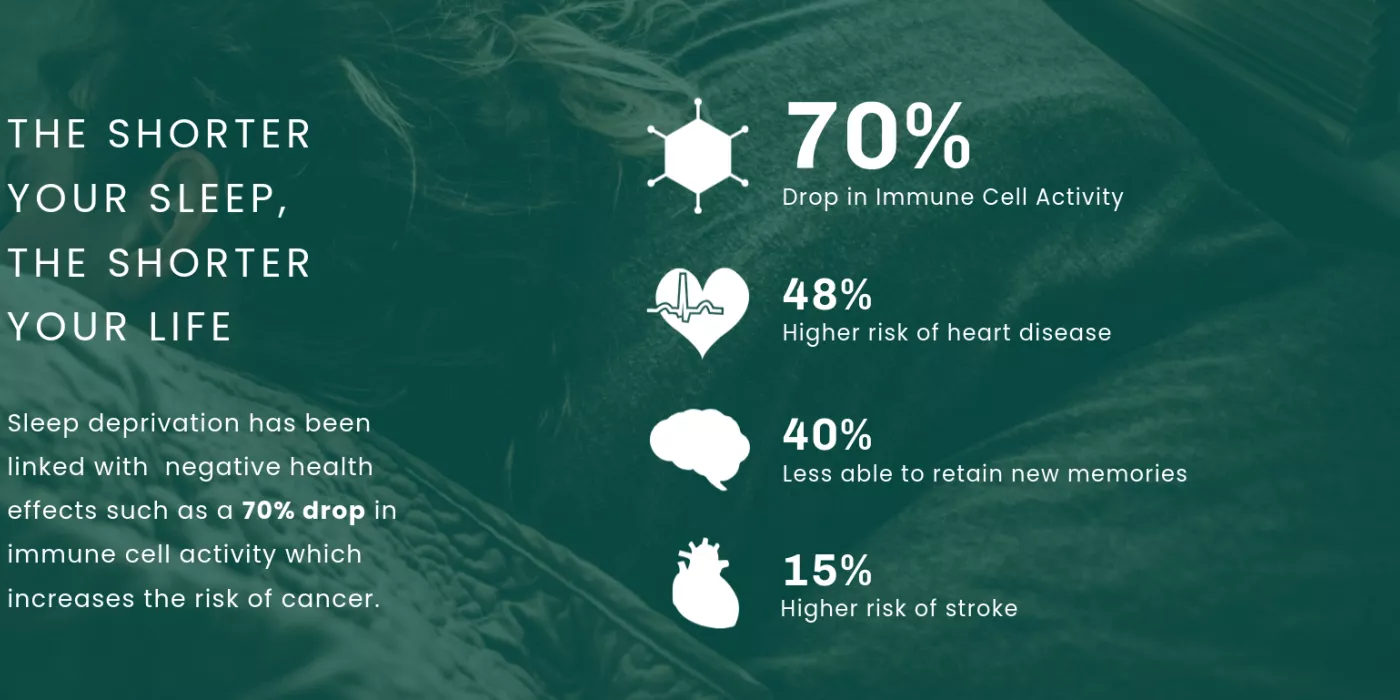
- Heart Disease & High Blood Pressure: Chronic rest deprivation has been linked to higher risks of heart disease, high blood pressure, and stroke. Rest is when the body regulates stress hormones and ensures healthy heart function.
- Diabetes: Lack of rest affects the body's insulin sensitivity, potentially leading to type 2 diabetes. Sleep-deprived individuals have shown elevated blood sugar levels, a precursor to this condition.
Mental and Emotional Effects
Beyond the physical, the realm of the mind and emotions takes a significant hit with insufficient rest.
- Cognitive Impairment: Lack of sleep impairs attention, alertness, and problem-solving abilities. It's harder to concentrate, make decisions, or even remember essential details after a night of poor rest.
- Mood Swings: Sleep deprivation can make you more irritable, short-tempered, and vulnerable to stress. Many people report feelings of sadness, depression, or anxiety due to chronic lack of sleep.
- Reduced Emotional Resilience: With inadequate rest, emotional reactions can be amplified, making it harder to cope with challenging situations.
Long-term Risks of Sleep Deprivation
While occasional sleepless nights might not pose severe threats, chronic deprivation is a different story.
- Chronic Illnesses: Over time, sleep deprivation can lead to serious health conditions such as obesity, diabetes, cardiovascular diseases, and even a lowered life expectancy.
- Mental Health Disorders: Continuous lack of sleep has been linked to an increased risk of mental health disorders, including depression, anxiety disorders, and even psychosis in extreme cases.
- Reduced Quality of Life: With diminished cognitive function and emotional well-being, day-to-day activities become taxing. This can affect work performance, relationships, and overall life satisfaction.
- Accidents: Sleep deprivation is a significant factor in many accidents. Whether on the road or at workplaces, impaired judgment and slowed reaction times can have dire consequences.
In conclusion, the old adage "you can sleep when you're dead" couldn't be further from the truth. Quality sleep is integral to a healthy, happy life, and understanding the far-reaching consequences of neglecting it is the first step toward making positive changes.
Sleep and Specific Health Conditions
The world of sleep is more than just dreams and a reprieve from our daily hustle. Deep within this nightly ritual, sleep intricately intertwines with our health in ways we are just beginning to fathom. While the rejuvenation of our mental faculties is a well-touted benefit, the profound effects of nighttime rest on specific health conditions often go unnoticed. From the rhythmic cadence of our heartbeats to the silent, bustling activity of our metabolic processes and the vigilant watch of our immune system, sleep plays a pivotal role.
Rest and Heart Health
The heart, our life-sustaining pump, has an intricate relationship with sleep. Every night, as we drift into slumber, our cardiovascular system undergoes vital recovery and maintenance.
- Blood Pressure Regulation: During deep sleep, our blood pressure drops, offering the heart a much-needed break. Consistently interrupted or insufficient sleep can prevent this dip, contributing to prolonged high blood pressure, which increases the risks of heart diseases.
- Heart Rate Reduction: Alongside blood pressure, the heart rate also slows down during sleep, reducing wear and tear on this essential muscle.
- Stress Hormone Control: Cortisol, the body's primary stress hormone, gets regulated during sleep. Elevated cortisol levels are linked to heart diseases, and without adequate rest, these levels can remain high.
Overall, chronic sleep deprivation has been tied to a higher risk of developing conditions like coronary heart disease, arrhythmias, and even strokes.
Rest and Metabolism: The Weight Connection
There's a silent symphony between sleep and metabolism that influences our weight.
- Hormonal Balance: Sleep regulates two crucial hormones – ghrelin (which signals hunger) and leptin (which signals satiety). Sleep deprivation can lead to an increase in ghrelin and a decrease in leptin, making overeating more likely.
- Insulin Sensitivity: Poor sleep patterns can reduce the sensitivity of cells to insulin, leading to higher blood sugar levels and increasing the risk of type 2 diabetes.
- Cravings and Decision Making: Sleep-deprived individuals often crave high-calorie, sugary foods. Coupled with impaired decision-making abilities, this can lead to unhealthy eating choices.
The Role of Sleep in Immune Function
Our immune system, the body's defense fortress, relies significantly on sleep for optimal performance.
- Production of Immune Cells: During sleep, the production of cytokines – proteins vital for targeting infection and inflammation – increases. This helps our body fight off potential threats more effectively.
- Memory and Immune Response: Sleep enhances the immune system's ability to remember and recognize pathogens. This 'immunological memory' ensures a faster and more effective response upon encountering familiar threats.
- Recovery Speed: Adequate sleep can speed up recovery from illnesses, as the body can focus more energy on healing when at rest.
In wrapping up this section, it becomes evident that neglecting sleep is not just a matter of battling tiredness the next day. Its ripple effects on heart health, metabolism, and immune function underline its paramount importance in the overarching paradigm of well-being.

Factors Disrupting Quality Sleep
In today's hyperconnected, always-on era, achieving a full night of restful sleep seems elusive to many. Quality sleep, a cornerstone of overall health, is often disrupted by a myriad of factors that go unnoticed in our daily routine. From the screen's glow we stare into hours before bedtime to the inner whirlwinds of stress and even the foods we consume, understanding these sleep-disruptors is the first step towards reclaiming those restful nights.
The Effects of Blue Light from Devices
- Melatonin Suppression: Blue light, predominantly emitted from our screens (smartphones, computers, TVs), has been shown to suppress melatonin production more than any other type of light. Melatonin is the body's sleep-inducing hormone, setting the rhythm of our internal clocks. Reduced levels can delay bedtime onset, reduce the amount of REM sleep, and even shift our circadian rhythm.
- Cognitive Stimulation: Devices are not just light sources; they're gateways to information, entertainment, and social connections. The content, especially if it's engaging or stressful, can stimulate the brain, making it harder to wind down.
- Recommendations: Experts advise avoiding screens for at least an hour before bedtime. If this isn't feasible, using blue light filters or 'night mode' settings can help mitigate some effects. Also, be mindful of content; opt for relaxing media as bedtime approaches.
Stress and Anxiety's Role in Sleep Disturbance
- The Vicious Cycle: Stress and anxiety can significantly impact sleep quality. On the flip side, lack of sleep can heighten feelings of stress and anxiety, creating a counterproductive cycle.
- Physiological Response: Stress activates the body's "fight or flight" response. The resultant increased heart rate, blood pressure, and cortisol levels are the exact opposite of the relaxed state conducive to sleep.
- Recommendations: Incorporating relaxation techniques, such as meditation, deep breathing exercises, or progressive muscle relaxation, can be beneficial. Maintaining a regular sleep schedule and creating a calming bedtime routine also helps signal the body that it's time to wind down.
Diet and Its Impact on Sleep
- Caffeine: A stimulant, caffeine can stay in the system for hours. Consuming coffee, tea, or other caffeinated products in the evening can interfere with the ability to fall asleep or achieve deep sleep.
- Sugar and Sleep Disruption: Diets high in sugar have been linked to lighter, less restorative sleep. Such diets can lead to wakefulness during the night and difficulty returning to sleep.
- Alcohol's Double-Edged Sword: While alcohol might make one feel sleepy initially, it can disrupt the sleep cycle later in the night, reducing the quality of rest.
- Recommendations: It's wise to monitor and potentially adjust diet if sleep disturbances are regular. Limiting caffeine intake in the afternoon and evening, reducing sugar consumption, and being mindful of alcohol intake can all contribute to better rest.
In essence, our modern lifestyles present multiple challenges to quality badtime. However, with awareness and intentional adjustments, a peaceful night's slumber is well within reach.

Practical Tips for a Better Night’s Rest
In the quest for health and well-being, sleep stands as an undisputed champion. Yet, with our modern-day stressors, technology, and lifestyle choices, quality sleep often eludes many. Addressing this challenge doesn't necessarily require drastic changes but can be achieved with simple, practical strategies. Here, we unveil actionable tips to help pave the way to more restful nights and energized mornings.
Creating a Bedtime Ritual
- Consistent Timing: Set a regular sleep schedule by going to bed and waking up at the same time daily, even on weekends. This consistency reinforces the body's natural circadian rhythm.
- Wind Down Activities: Engage in calming activities an hour before sleep. This could be reading a book, practicing meditation, or listening to soft music. The aim is to signal the brain that it's time to transition into sleep mode.
- Limit Exposure to Devices: As discussed, blue light from screens can interfere with melatonin production. Prioritize screen-free activities in your bedtime routine.
The Role of Diet and Nutrition
- Limit Caffeine Intake: Be mindful of the timing of your caffeine consumption. Ideally, avoid caffeine after 2 PM to ensure it doesn't interfere with your sleep.
- Opt for Sleep-promoting Foods: Some foods, like almonds, turkey, chamomile tea, and kiwi, contain compounds that promote sleep. Including them in your diet can be beneficial.
- Avoid Large Meals Before Bed: Heavy meals can cause discomfort and indigestion, making it harder to sleep. Aim to have your last major meal at least 2-3 hours before bedtime.
Making Your Sleep Environment Conducive
- Darkness is Key: Ensure your bedroom is dark, using blackout curtains or an eye mask if necessary. Darkness cues the body to release melatonin, aiding sleep.
- Optimal Temperature: A slightly cool room, around 65°F (18°C), is considered ideal for sleep. Adjust according to personal comfort.
- Noise Control: If you live in a noisy environment, consider using earplugs, white noise machines, or apps that play soothing sounds to drown out disturbances.
- Comfortable Bedding: Invest in a comfortable mattress and pillows. The physical comfort they provide can make a significant difference in sleep quality.
Importance of Regular Exercise
- Sleep Quality Enhancement: Regular physical activity can help you fall asleep faster and enjoy deeper sleep. However, timing matters.
- Avoid Late Evening Workouts: Exercising too close to bedtime can have the opposite effect, energizing you. Aim to finish any vigorous activity at least 3 hours before you plan to sleep.
- Incorporate Relaxing Exercises: Activities like yoga and deep breathing can be done closer to bedtime. They help relax the body and mind, promoting better sleep.
Achieving a good night's rest isn't about magic potions or fancy gadgets. It's about consistent habits, a conducive environment, and choices that align with our body's natural rhythms. Embrace these practical tips, and the realm of refreshing sleep will be yours to enjoy.
Considerations for Different Age Groups
The journey of life sees us evolve through different stages, and just as our nutritional needs, energy levels, and cognitive abilities shift, so do our sleep requirements. The importance of sleep remains constant across all ages, but how much we need and the challenges we face in getting it can greatly vary. Whether it's the boundless energy of children, the tumultuous transitions of adolescence, the graceful aging process, or the miracle of pregnancy, sleep plays a unique role in each phase.
Sleep Needs for Children and Teens
- Infants and Toddlers: The earliest stages of life demand the most sleep. Newborns typically require 14-17 hours, with a gradual reduction to 12-16 hours by the age of one. As they transition to the toddler phase, 11-14 hours remains ideal.
- School-age Children: For children aged 6-13, the recommended sleep duration is between 9-11 hours. This is a phase of rapid intellectual and physical growth, and sleep plays a pivotal role.
- Teenagers: With adolescence comes a myriad of changes - hormonal, physical, and emotional. Teens, aged 14-17, ideally need 8-10 hours of sleep. However, societal pressures, academic demands, and technology often curtail this, leading to widespread sleep deprivation in this age group.
The Aging Population and Sleep
- Changing Patterns: As individuals age, they might find themselves waking up earlier or experiencing more fragmented sleep. While seniors, those aged 65 and above, still require 7-8 hours of sleep, achieving this can sometimes be challenging.
- Underlying Health Issues: Conditions like sleep apnea, restless legs syndrome, or the frequent need to use the restroom can disrupt sleep in older individuals.
- Importance of Sleep: It's a misconception that seniors need less sleep. Quality sleep remains vital for memory, cognitive function, and overall well-being. If sleep disturbances are frequent, they should be discussed with a healthcare provider.
Sleep During Pregnancy
- Increased Need: Pregnancy demands a lot from the body. It's common for women, especially in the first trimester, to feel more fatigued and require more sleep.
- Physical Discomforts: As the pregnancy progresses, physical discomforts like back pain or the baby's movements might disrupt sleep.
- Restless Legs Syndrome and Sleep Apnea: Some women might experience these conditions for the first time during pregnancy, affecting sleep quality.
- Optimizing Sleep: Using pillows to find a comfortable sleeping position, maintaining a cool room, and avoiding caffeine can help pregnant women achieve better sleep.
Rest's relationship with our age is a dynamic one, changing to accommodate our body's evolving needs. By understanding and respecting these shifts, we can ensure that sleep continues to play its nurturing role throughout our lives.
Navigating Sleep Disorders
For many, the realm of sleep isn't a peaceful sanctuary but a battleground filled with restless nights, daytime fatigue, and unrefreshed awakenings. Rest disorders, prevalent across age groups, can be disruptive not just to sleep but to every facet of life. To navigate this complex landscape, it's imperative to understand the common disorders, recognize when professional intervention is necessary, and be aware of the diagnostic tools available.
Recognizing Common Rest Disorders
- Insomnia: Characterized by difficulty falling asleep or staying asleep, insomnia can be acute or chronic. Chronic insomnia, persisting for months or even years, might be linked to other medical or psychological issues.
- Sleep Apnea: This is a potentially serious disorder where breathing is interrupted repeatedly during sleep. Those suffering often snore loudly and feel tired even after a full night's rest.
- Restless Legs Syndrome (RLS): This is an urge to move the legs, especially during periods of inactivity or at bedtime. It can lead to sleep disturbances and daytime fatigue.
- Narcolepsy: A neurological disorder characterized by extreme drowsiness during the day and sudden sleep attacks. Those with narcolepsy might also experience sleep paralysis and vivid hallucinations during sleep transitions.
When to Seek Medical Advice
- Persistent Daytime Fatigue: If you consistently feel tired during the day despite adequate hours of sleep, it's a sign that the quality of your sleep might be compromised.
- Disturbed Breathing Patterns: Frequent awakenings due to choking or shortness of breath could be indicative of sleep apnea.
- Impact on Daily Life: If sleep disturbances start affecting your daily activities, mood, performance at work, or interpersonal relationships, it's time to consult a professional.
- Ineffective Home Remedies: Before turning to medical professionals, many try home remedies or over-the-counter solutions. If these have been ineffective, it's a cue to seek specialized advice.
The Role of Sleep Studies
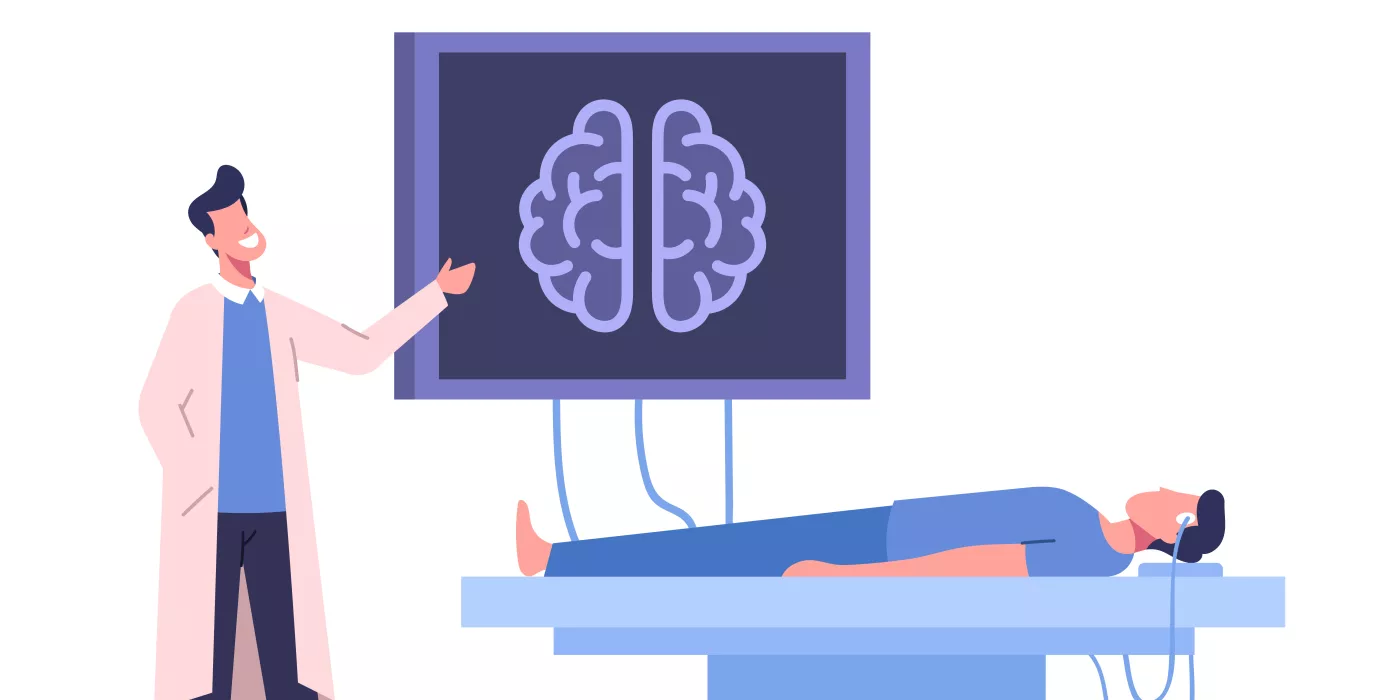
- Polysomnogram (PSG): This is the most common sleep study, conducted overnight at a sleep center. It monitors several body functions during sleep, including brain activity, eye movement, heart rate, and breathing patterns.
- Home Sleep Apnea Test (HSAT): For those suspected of having sleep apnea, HSAT can be an option. This portable device monitors specific body functions related to sleep apnea.
- Multiple Sleep Latency Test (MSLT): Used primarily for diagnosing narcolepsy, this test measures how quickly someone falls asleep in quiet situations during the day.
- Actigraphy: For those with insomnia or circadian rhythm disorders, this wrist-worn device measures movement to determine sleep and wake patterns.
Understanding sleep disorders is crucial, as they often serve as silent impediments to overall well-being. With the right knowledge and timely intervention, these challenges can be navigated, paving the path to restful nights and productive days.
Myths and Misconceptions About Sleep
In our pursuit of optimal health, sleep often finds itself shrouded in myths and misconceptions. From old wives' tales to modern-day misconstrued facts, there's a myriad of information that often does more harm than good. Sifting through this maze to demystify sleep, we aim to shed light on its genuine essence and debunk the common myths that might be standing between you and quality rest.
Busting Common Sleep Myths
- "I can function well on 5 hours of sleep": While there are always outliers, the vast majority of adults need between 7-9 hours of rest. Consistently shortchanging oneself can lead to cognitive impairments, reduced alertness, and long-term health risks.
- "Snoring is normal and harmless": While snoring can be benign, it can also be a symptom of sleep apnea, a condition where breathing stops intermittently during sleep. This can have severe health implications if left untreated.
- "Older adults need less sleep": Aging doesn't reduce the need for sleep. Seniors still require 7-8 hours, but they might experience changes in sleep patterns or find it harder to get uninterrupted sleep.
- "If I miss sleep during the week, I can make up for it on weekends": While catching up on sleep can help alleviate some effects of sleep deprivation, it doesn't completely erase the risk associated with chronic sleep loss.
- "Watching TV helps me wind down before bed": The blue light emitted by screens suppresses melatonin production, the hormone responsible for sleep. Thus, screen time before bed can make it harder to fall asleep.
Understanding the Truth Behind Sleep Recommendations
- "Everyone needs 8 hours of sleep": While 8 hours is often touted as the magic number, the truth is, sleep needs vary. The recommended range for adults is 7-9 hours. Factors like age, lifestyle, and individual genetics play a role in determining the exact requirement.
- "Napping will ruin my night's sleep": Naps, when done correctly, can be beneficial. A short 20-30 minute nap can enhance mood and boost alertness. However, it's best to avoid napping late in the afternoon if nighttime sleep is a concern.
- "You can't catch up on lost sleep": While chronic sleep loss has long-term effects that can't be entirely reversed, getting extra sleep after a short period of deprivation can restore performance and alertness.
- "Bedtime alcoholic drinks aid sleep": While alcohol might make you feel drowsy initially, it can disrupt the REM stage of sleep, leading to fragmented rest.
In the vast realm of sleep, misinformation can often lead to habits that compromise its quality. By recognizing these myths and arming oneself with accurate information, one can create a foundation for nights filled with restorative sleep and days brimming with vitality.
Conclusion
Sleep, often regarded as the silent pillar of health, plays an indispensable role in our lives. As we've navigated the nuances of sleep's impact on our health, its intricate relationship with various conditions, and the factors that influence its quality, we've unearthed a treasure trove of knowledge. Let's take a moment to recap this enlightening journey and reflect upon the key takeaways.
Recapping the Importance of Good Rest
From optimizing cognitive function and emotional well-being to ensuring our physical health remains robust, the dividends of good sleep are manifold. It aids in tissue repair, memory consolidation, and bolsters the immune system. Furthermore, consistent, restful sleep is crucial in warding off chronic illnesses, maintaining a healthy metabolism, and ensuring we're at our best, both mentally and physically.
Encouraging Better Sleep Habits
As we've delved into the various facets of sleep, it becomes evident that cultivating healthy sleep habits is not a luxury but a necessity. While understanding sleep's intricacies is the first step, integrating this knowledge into daily routines is paramount. Whether it's curating a bedtime ritual, adjusting our diet, or creating a sleep-conducive environment, every change we make nudges us closer to restorative nights.
Additional Resources and References
For those who wish to delve deeper into the realm of sleep and its profound effects on health, the following books serve as invaluable resources:
- "Why We Sleep: Unlocking the Power of Sleep and Dreams" by Matthew Walker, PhD: An illuminating read that delves into the science of sleep and dreams, explaining why sleep deprivation is damaging and how we can optimize our sleep for better health.
- "The Sleep Solution: Why Your Sleep is Broken and How to Fix It" by W. Chris Winter, MD: This book offers actionable insights into common sleep problems and provides practical solutions for achieving restful nights.
- "The Promise of Sleep: A Pioneer in Sleep Medicine Explores the Vital Connection Between Health, Happiness, and a Good Night's Sleep" by William C. Dement and Christopher Vaughan: Delving into decades of sleep research, this book offers a comprehensive look at the essential role sleep plays in our lives and provides guidelines for achieving better sleep quality.
In conclusion, sleep isn't just a passive activity; it's an active investment in our overall health and well-being. By prioritizing and respecting our need for rest, we pave the way for a life filled with vitality, clarity, and optimal health.