Effective Pain Management Strategies for Relief
Pain Management is crucial for a healthy and active lifestyle. With numerous factors contributing to pain, understanding the causes and effective strategies for relief can significantly improve one's quality of life. In this article, we'll explore various types of pain and how you can effectively manage them through different approaches.
Introduction
Proper pain management is crucial for a healthy and active lifestyle. With numerous factors contributing to pain, understanding the causes and effective strategies for relief can significantly improve one's quality of life. In this article, we'll explore various types of pain and how you can effectively manage them through different approaches.
Understanding the Importance of Pain Management
Pain management is not just about alleviating discomfort; it's about enhancing one's overall well-being. Chronic pain, if not managed, can lead to decreased mobility, emotional distress, and a decreased quality of life. By understanding pain sources, individuals can employ targeted techniques to support daily functioning and mental health. Addressing pain effectively can aid in preventing the progression of conditions and promoting a balanced lifestyle.
Common Types of Pain and Their Causes
Pain can manifest in various forms, each with distinct causes. Muscle pain and strains are often the result of injury, overuse, or tension, while headaches can stem from stress, dehydration, or underlying medical conditions. Understanding the root cause of pain is crucial for selecting appropriate treatment options, ranging from lifestyle modifications to professional medical interventions.
Managing Muscle Pain and Strains
Muscle pain, commonly experienced as a result of physical activity, can be effectively managed with the right strategies. Whether it's aching legs after a workout or recurring muscle spasms, understanding how to treat and prevent these issues is key to maintaining an active and pain-free life.
Causes and Treatments for Muscle Pain
Muscle pain often arises from overexertion, stress, or injury. Effective treatments typically include rest, ice application, and gentle stretching. Over-the-counter pain relievers can also help, but it's essential to listen to your body and not push through pain, which can lead to further injury. Incorporating regular exercise and stretching into your routine can prevent future occurrences.
How to Relieve Aching Legs After Physical Activity
Aching legs post-physical activity are common and usually the result of microtears in muscle fibers, known as delayed onset muscle soreness (DOMS). Relief can be achieved by resting, applying cold or heat therapy, and staying hydrated. Incorporating a cool-down routine after engaging in strenuous workouts can help minimize soreness.
Managing and Preventing Muscle Spasms
Muscle spasms, characterized by involuntary contractions, often result from dehydration, fatigue, or mineral deficiencies. Adequate hydration, stretching, and maintaining balanced nutrition rich in electrolytes can prevent occurrences. Stretching before and after physical activities can also reduce the likelihood of these painful spasms.
Dealing with Muscle Strain in Back: Tips for Relief
Back muscle strain can severely impact daily activities, but relief strategies are available. Applying ice, then heat, can soothe strained muscles, while gentle stretching and over-the-counter pain relievers can facilitate recovery. Practicing good posture and engaging in strengthening exercises can prevent future strains.
Understanding and Treating Different Types of Headaches
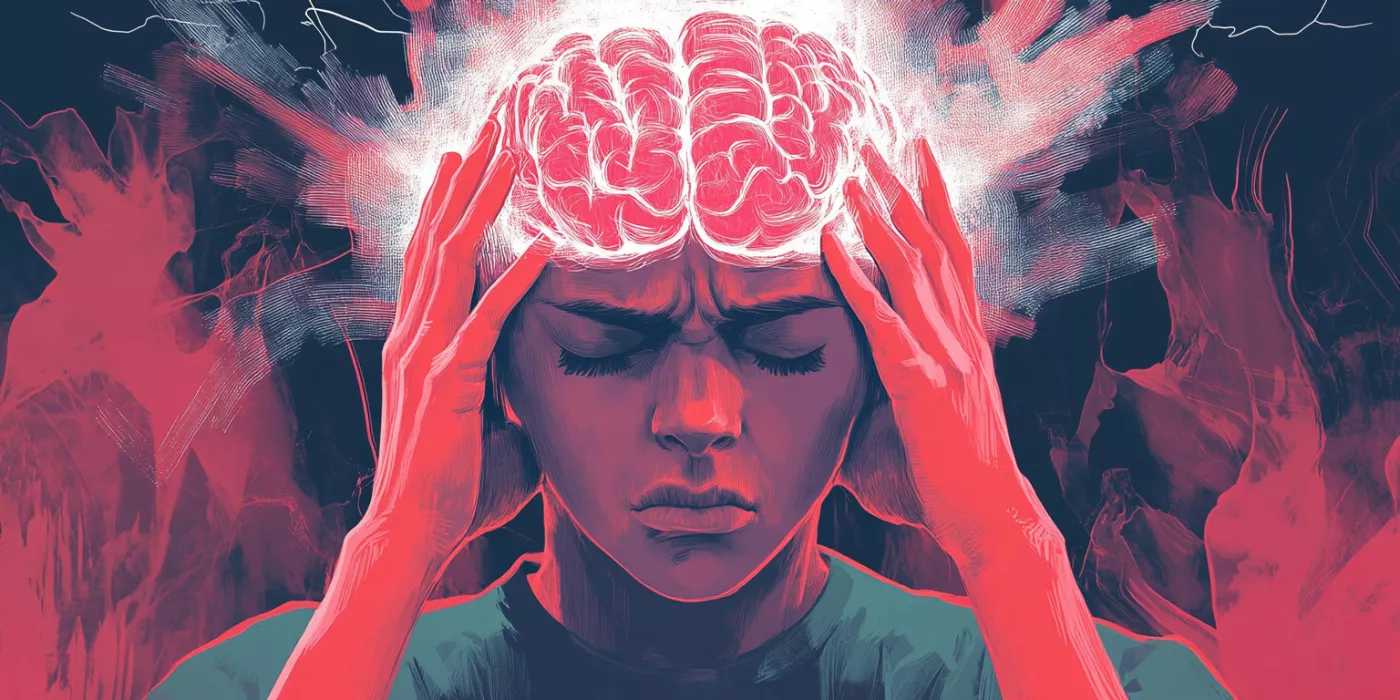
Headaches are a common ailment with various forms, each requiring specific treatment methods. Whether experiencing a tension headache or a throbbing headache, identifying the type and cause is essential for effective management.
What Causes a Pressure Headache and How to Treat It
Pressure headaches often result from sinus congestion or prolonged tension. These headaches are typically managed by addressing the root cause, such as taking decongestants for sinus issues or using stress-reduction techniques. Rest and hydration can also provide relief. Keeping a headache diary might help in identifying triggers and preventing future occurrences.
Identifying a Persistent Headache and When to Seek Help
Persistent headaches can indicate underlying health conditions that require medical attention. If headaches become frequent and disrupt daily life, it's crucial to consult a healthcare professional. They can provide a comprehensive evaluation and develop a tailored treatment plan. Don’t ignore symptoms like vision changes or severe pain, which may require immediate attention.
Tension Headache Cause and Effective Remedies
Tension headaches, often described as a band tightening around the head, are typically caused by stress or poor posture. Remedies include adequate rest, relaxation exercises, and maintaining ergonomic practices. Regular exercise and mindful meditation can also reduce recurrence by decreasing overall stress levels.
Throbbing Headache: Symptoms, Triggers, and Relief Methods
Throbbing headaches can be triggered by various factors, including caffeine withdrawal, stress, or certain foods. Relief methods include using cold compresses, ensuring regular sleep patterns, and reducing caffeine intake. Identifying and mitigating individual triggers are key strategies to prevent throbbing headaches.
Managing Intense Headache Symptoms and Long-Term Treatment Options
Intense headaches may require a multifaceted treatment approach. Long-term solutions can include prescription medications, lifestyle changes, or alternative therapies like acupuncture. Regular follow-up with a healthcare provider ensures that management strategies are effective and adjusted as necessary.
Headache-Related Symptoms and Associated Conditions
Headaches often coincide with other symptoms, indicating a broader health issue. Understanding these associations can guide individuals towards appropriate treatment and management strategies.
Understanding Headache with Dizziness and Its Underlying Causes
Headaches accompanied by dizziness can be symptoms of migraine or vestibular disorders. Treatment focuses on addressing the underlying cause, which might involve changes in diet, hydration, or medication. Consulting a healthcare provider for persistent symptoms is crucial to develop an effective management plan.
What Headache and Diarrhea Could Indicate
Headache combined with diarrhea could point to viral infections or dietary intolerances. Adequate hydration and dietary adjustments are often recommended. If symptoms persist, a medical evaluation might be necessary to rule out underlying conditions such as digestive disorders.
Connection Between Body Aches and Headache in Chronic Conditions
Body aches and headaches, frequently seen in conditions like fibromyalgia, require comprehensive treatment approaches. This includes medication, lifestyle adjustment, and physical therapy. Managing stress and ensuring adequate sleep are vital to minimize the impact of these chronic symptoms.
Holistic and Medical Approaches to Pain Management
Pain management encompasses a wide range of strategies, from natural remedies to conventional medicine. By combining holistic practices with medical treatments, individuals can achieve effective pain relief tailored to their unique needs and lifestyles.
Natural Remedies and Lifestyle Adjustments for Pain Relief
Natural pain relief can involve dietary changes, herbal supplements, or mind-body practices such as yoga and meditation. Lifestyle adjustments like proper posture, regular exercise, and stress management are also beneficial in alleviating pain and maintaining long-term wellness.
Over-the-Counter and Prescription Medications for Pain
For moderate to severe pain relief, medications are often an essential component of treatment. Over-the-counter options include NSAIDs like ibuprofen, while prescription options might involve stronger analgesics under medical supervision. It’s important to use these medications as directed to avoid adverse effects.
Physical Therapy, Massage, and Alternative Therapies
Physical therapy, massage, and alternative therapies such as acupuncture can complement traditional approaches to pain management. These therapies focus on improving body mechanics, reducing pain, and enhancing recovery from injuries or chronic conditions. They offer non-invasive and holistic approaches to pain relief that support overall health.
Conclusion
By understanding pain and its causes, individuals can implement effective management strategies that cater to their specific situations. Whether through natural remedies, medical interventions, or a combination of approaches, achieving relief through informed choices is possible.
Recap of Effective Pain Management Techniques
The myriad of techniques available today offers something for everyone. From muscle strain mitigation to complex headache treatments, integrating both preventative and active relief strategies can dramatically improve one’s quality of life. Consistency and dedication to a pain management plan can yield significant and lasting benefits.
When to Consult a Healthcare Professional for Pain Relief
Persistent or severe pain should not be ignored. If over-the-counter solutions or lifestyle changes do not provide relief, or if symptoms worsen, consulting a healthcare professional is crucial. They can offer diagnostic insights and design a comprehensive plan to address and manage pain efficiently and effectively.
FAQs
Effective pain management techniques include a combination of medication, physical therapies, and lifestyle changes. Over-the-counter pain relievers, physical exercises, massage therapy, and stress management are commonly recommended.
Managing muscle pain at home can involve using ice or heat applications, taking rest, and performing gentle stretches. Maintaining hydration and ensuring proper nutrition can also prevent further muscle issues.
Headache with dizziness can result from migraines or vestibular disorders. Treatment includes dietary and lifestyle adjustments and, in some cases, medication prescribed by healthcare professionals.
Persistent headaches should be a concern if they interfere with daily activities or accompany other symptoms like vision changes. Consulting a healthcare provider is advised in such cases.
Natural remedies for pain relief include herbal supplements, such as turmeric or ginger, and mind-body practices like yoga and meditation. Ensuring a balanced diet and healthy lifestyle also contribute to pain relief.
Prevent muscle spasms by staying hydrated, incorporating electrolytes into your diet, and performing thorough warm-ups and cool-downs with stretching exercises before and after physical activity.
Body aches and headaches can be signs of conditions like fibromyalgia or viral infections. Addressing these through a comprehensive approach that includes medication, lifestyle adjustments, and adequate rest is essential.
Lifestyle changes that help manage chronic pain include regular physical activity, stress management techniques, adequate sleep, and maintaining a healthy diet. Avoiding triggers and seeking support can also be beneficial.
Dietary considerations for pain management may involve reducing caffeine and sugar intake, incorporating anti-inflammatory foods, and ensuring adequate hydration.
Delayed onset muscle soreness (DOMS) is the pain and stiffness felt in muscles several hours to days after unaccustomed or strenuous exercise, primarily due to microtears in muscle fibers.